
Overhead power transmission and distribution systems rely heavily on the performance of conductors. Choosing the wrong conductor can increase energy losses, reduce line reliability, shorten service life, and significantly raise project costs over time.
Among the most widely used overhead conductors worldwide, AAC (All Aluminum Conductor), AAAC (All Aluminum Alloy Conductor), and ACSR (Aluminum Conductor Steel Reinforced) are the three primary options. Each conductor has unique mechanical and electrical properties that make it suitable for different environments and project requirements.
In this guide, we compare AAC, AAAC, and ACSR conductors in terms of strength, conductivity, corrosion resistance, service life, and application scenarios to help you select the most suitable solution for your overhead line project.
What are Overhead Line Conductors?
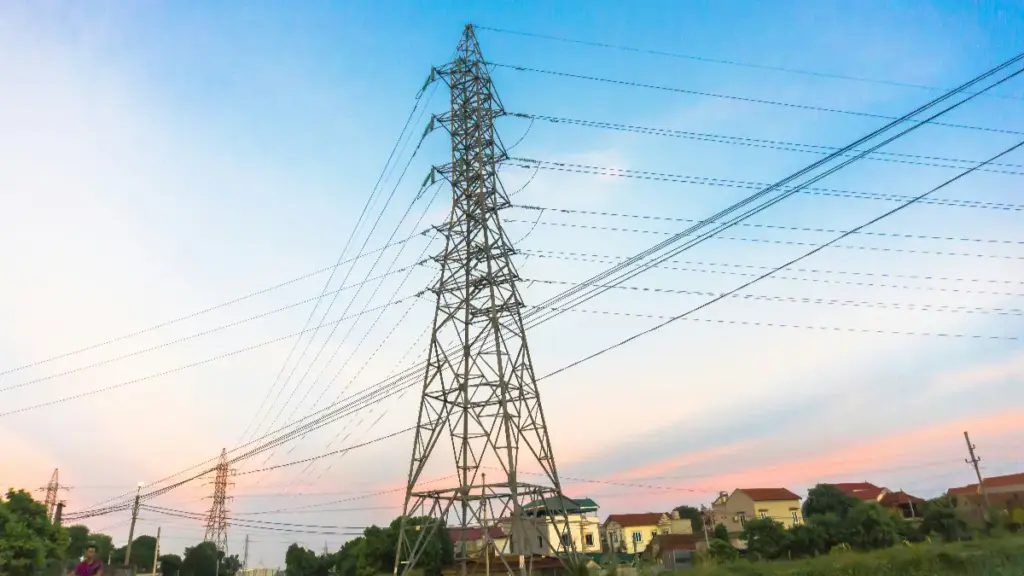
Overhead line conductors are uninsulated, stranded cables suspended on towers. They balance electrical conductivity, mechanical strength, and weight to safely transmit power across vast utility networks.
Core Definition and Primary Functions
Utilities suspend bare metallic power cables on poles or steel towers to transmit electrical energy across transmission and distribution networks. Designers leave these cables uninsulated because air provides sufficient natural clearance, significantly reducing weight and material costs.
These overhead conductors execute 3 specific operational functions:
- Current transmission: They carry continuous load current from generation stations directly to communities.
- Fault tolerance: They withstand severe short-circuit spikes during unexpected network faults.
- Fatigue resistance: Manufacturers use stranded wires instead of solid metal to increase flexibility and prevent material failure from wind-induced swinging.
Different overhead conductor designs are developed to balance conductivity and mechanical strength.
The three most common conductor types include:
AAC (All Aluminum Conductor)
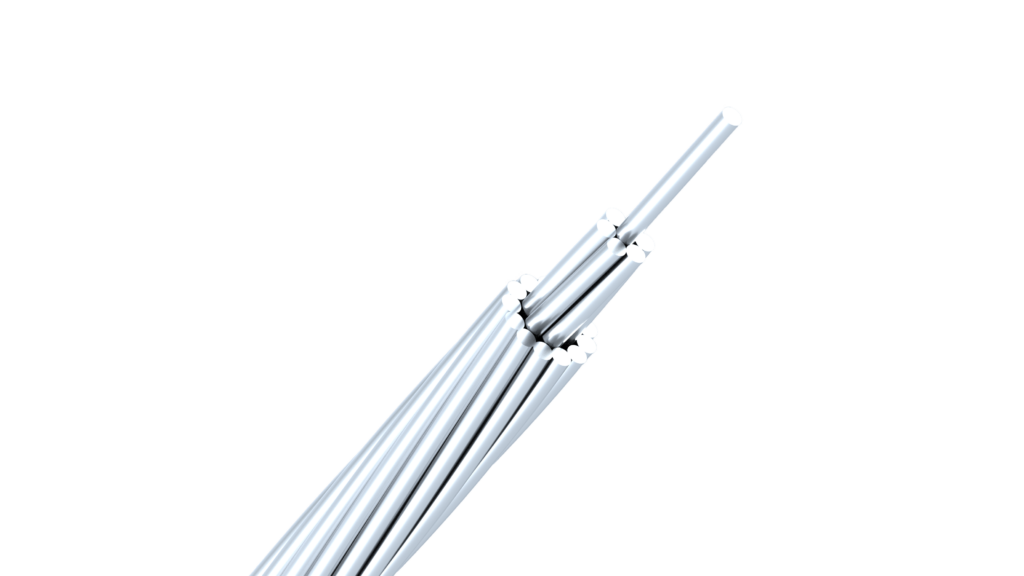
AAC consists entirely of high-purity aluminum strands. It offers excellent electrical conductivity and lightweight construction but has relatively low tensile strength.
AAAC (All Aluminum Alloy Conductor)
AAAC uses aluminum-magnesium-silicon alloy strands instead of pure aluminum. This improves mechanical strength and corrosion resistance while maintaining good conductivity.
ACSR (Aluminum Conductor Steel Reinforced)
ACSR combines an inner steel core with outer aluminum strands. The steel core provides high tensile strength, while the aluminum strands carry electrical current efficiently.
Because of its excellent strength-to-weight ratio, ACSR remains one of the most widely used conductors for long-distance transmission lines.
ACSR vs AAC vs AAAC: Key Differences
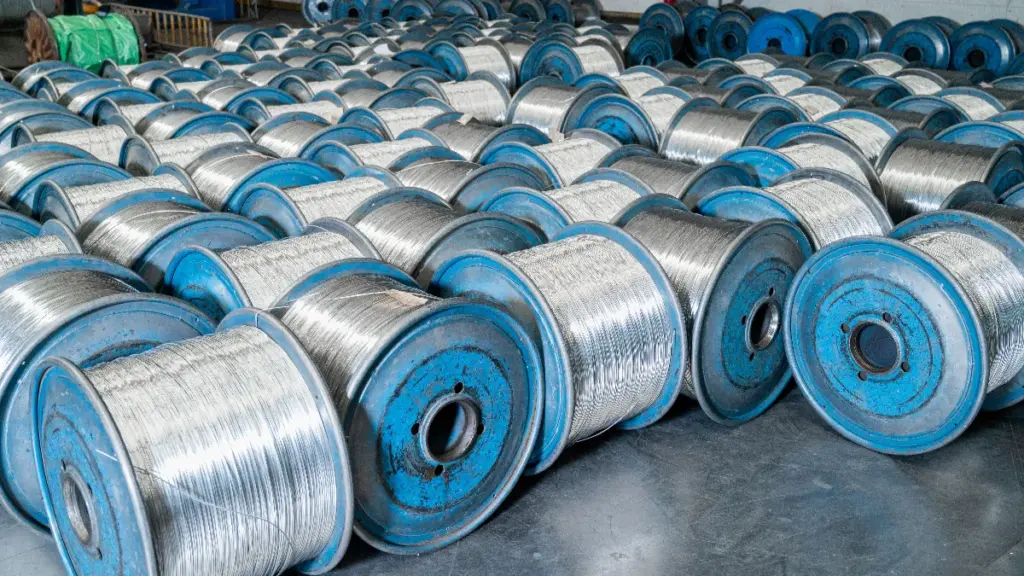
AAC maximizes conductivity for short coastal spans. AAAC balances strength and corrosion resistance for medium distances. ACSR dominates high-voltage, long-distance transmission by leveraging a high-strength steel core.
| Feature | AAC | AAAC | ACSR |
|---|---|---|---|
| Material | Pure Aluminum (≈99.7%) | Aluminum Alloy (e.g., 6201-T81) | Aluminum + Steel Core |
| Electrical Conductivity | Highest | High | Moderate |
| Tensile Strength | Low | Medium-High | Highest |
| Weight | Light | Light | Heavier |
| Corrosion Resistance | Good | Excellent | Moderate |
| Maximum Span Capability | Short | Medium | Long |
| Service Life | Good | Excellent | Excellent |
| Cost | Lower | Medium | Medium-High |
| Typical Application | Urban Distribution | Coastal Networks | Long-Distance Transmission |
Material Composition and Electrical Conductivity
The raw materials determine the electrical efficiency of your overhead line. AAC consists of electrolytically refined pure aluminum at roughly 99.7% purity. This single-material design delivers the highest conductivity among the three options.
AAAC utilizes an aluminum alloy, such as 6201-T81. This specific metal balances high conductivity with a lighter overall weight, providing a highly efficient alternative to pure aluminum.
ACSR takes a composite approach. It integrates a galvanized steel core wrapped in outer layers of hard-drawn aluminum. The steel core provides no electrical benefit and carries almost zero current. This non-conductive center reduces the overall conductivity per cross-section.
Because the steel reduces the effective current-carrying area, ACSR requires a slightly larger conductor size compared to AAC to achieve equivalent ampacity and similar electrical losses.
Mechanical Strength and Environmental Resistance
Mechanical demands force engineers to compromise between raw strength and environmental durability. ACSR provides the highest tensile strength available. The steel core supports extra-long spans and easily handles heavy mechanical loads from severe wind or ice.
AAC lacks this internal reinforcement. Under tension, pure aluminum stretches and causes higher line sag. This mechanical limit restricts AAC primarily to short spans in dense urban networks.
But both AAC and AAAC outperform ACSR in harsh environments. They offer excellent corrosion resistance by completely avoiding the dissimilar-metal interfaces that make the steel core in ACSR susceptible to rust and galvanic decay.
Based on these traits, engineers select conductors to match the specific line profile:
- AAC: Deployed in coastal regions and short spans where extreme corrosion resistance outweighs mechanical strength.
- AAAC: Installed on medium spans requiring a tight balance between sag control and rust prevention.
- ACSR: Reserved for high-voltage, long-distance transmission corridors that cross rivers, valleys, and extreme terrain.
Save 30% on Complete Cable Procurement
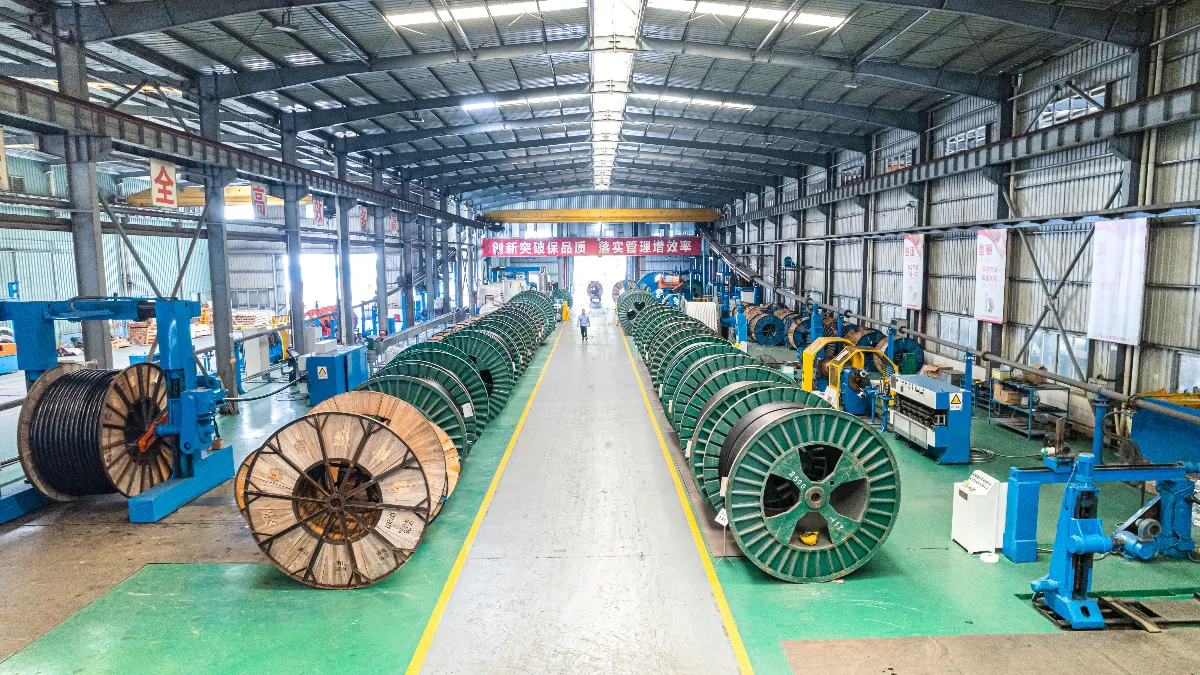
Tensile Strength & Maximum Span Limits
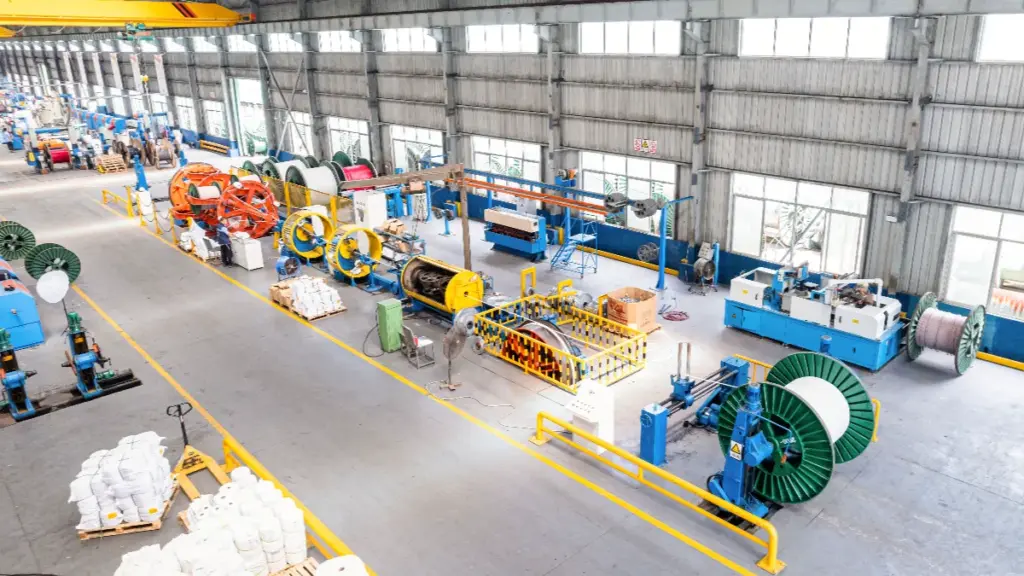
AAC manages short spans using pure aluminum, while ACSR relies on a steel core to support extreme tension and distances exceeding 300 meters.
Structural Design and Tensile Capacity
Engineers build AAC exclusively from concentric layers of hard-drawn 1350-H19 aluminum. This monometallic design yields a lower strength-to-weight ratio because all mechanical tension falls directly on the aluminum strands.
ACSR takes a different structural approach. It integrates a galvanized steel core to carry the primary tensile load. The steel core significantly increases the ultimate tensile strength without adding excess volume, allowing the outer aluminum layers to focus entirely on electrical conduction.
Span Limits and Implementation Defaults
Mechanical capacity directly dictates span limits in the field. Engineers deploy AAC for spans under 200 meters. You will find these installations primarily in urban distribution networks and corrosion-heavy environments where mechanical loads remain manageable.
ACSR dominates overhead installations with spans exceeding 300 meters. The steel core easily meets the tight sag limits required for:
- Sub-transmission lines
- Transmission corridors
- River crossings
Electrical Conductivity & Power Losses
AAC delivers superior conductivity and minimal power losses, making it highly efficient. ACSR trades some electrical efficiency to gain the mechanical strength necessary for long-span transmission.
Material Conductivity and Resistance Profiles
AAC consists entirely of 1350-H19 aluminum, achieving a peak electrical conductivity of approximately 61% IACS. ACSR pairs outer aluminum layers with a galvanized steel core. This composite design drops the overall conductor conductivity to roughly 52–57% IACS because the steel core adds no useful conductive area.
Operating at standard power frequencies of 50 or 60 Hz introduces distinct AC resistance behaviors. The central steel core in ACSR pushes the electrical current to the outer aluminum layers. This dynamic slightly increases the AC resistance compared to an all-aluminum conductor of the exact same size.
Power Loss Implications in Line Design
At equal current loads and nominal sizes, AAC produces fewer I²R losses than ACSR. This electrical efficiency allows grid systems to operate at lower continuous temperatures. The lower baseline resistance of AAC yields a smaller voltage drop over equivalent distances, which directly improves voltage regulation on short-to-medium urban distribution feeders.
Engineers specify ACSR for long-span transmission lines to handle heavy mechanical loads. They offset the higher baseline conductor resistance by raising transmission voltages. Operating at higher voltages significantly lowers the current, allowing the system to curb overall power losses even with a less conductive cable.
Corrosion Resistance & Service Life
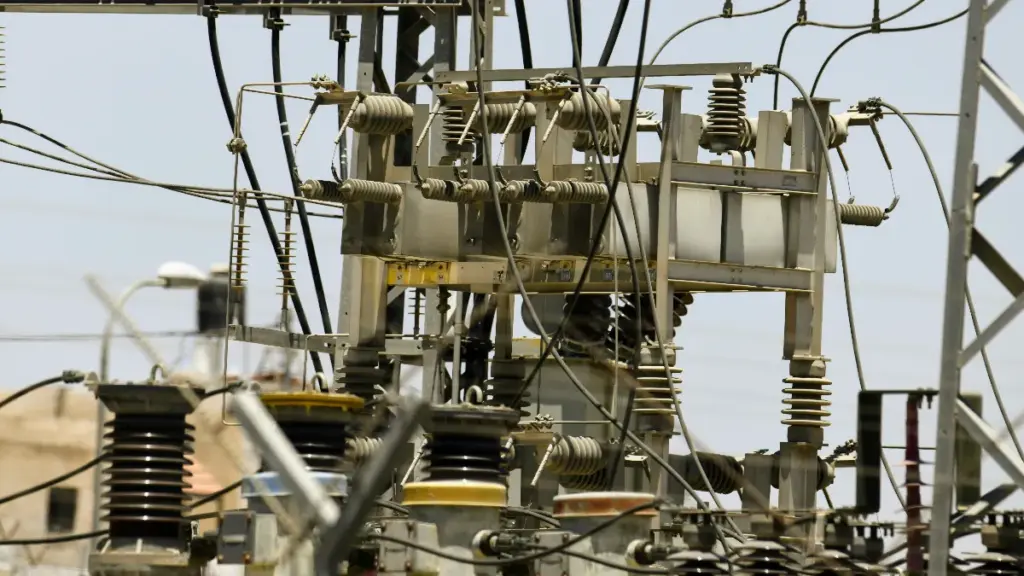
AAC dominates corrosive environments with a 60-year lifespan, bypassing the bimetallic corrosion risks that limit ACSR to 15-30 years under harsh conditions.
Corrosion Resistance Profiles
AAC consists entirely of stranded aluminum. It naturally forms a protective oxide film that resists atmospheric degradation, making it highly reliable in chloride-rich coastal and industrial zones.
ACSR relies on a galvanized steel core that elevates bimetallic corrosion risks. When utilities deploy ACSR in marine atmospheres, they must implement proactive mitigation strategies like applying protective grease to prevent accelerated degradation.
Service Life Expectations
Material composition directly dictates maintenance cycles and operational longevity across utility networks.
- AAC Lifespan: Delivers an extended service life approaching 60 years under standard 2026 grid conditions, minimizing long-term replacement cycles and maintenance burdens.
- ACSR Lifespan: Sustains operations for 15 to 30 years but requires frequent core monitoring to catch hidden deterioration before it compromises structural integrity.
Best Environments for Each Conductor Type
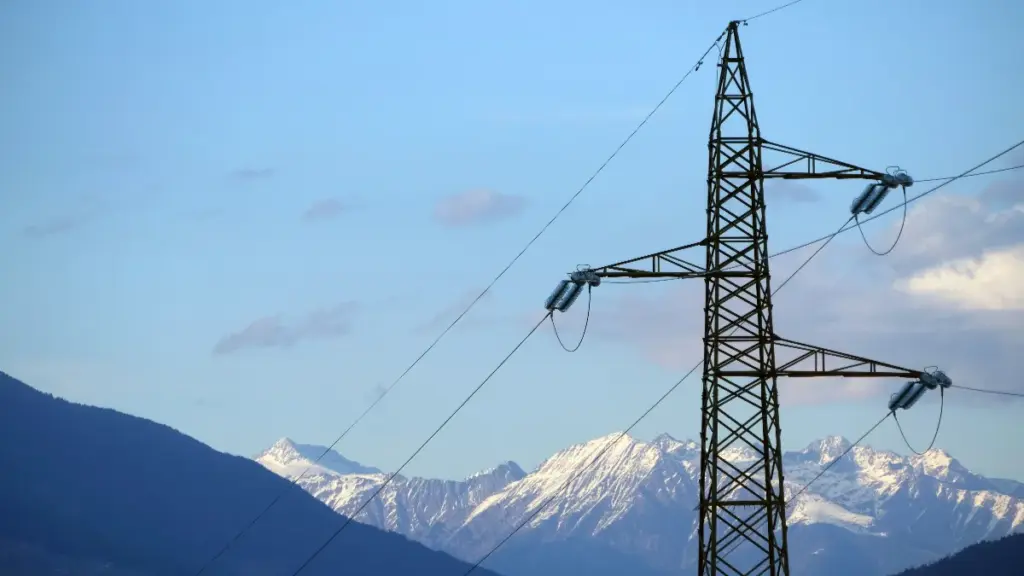
AAC dominates short-span, corrosive coastal grids. ACSR handles extreme mechanical loads, severe weather, and long-span rural transmission corridors.
Environments Suited for AAC
Pure aluminum excels in environments where chemical and salt exposure degrade other metals. System planners prioritize AAC where electrical efficiency and corrosion resistance outweigh the need for extreme mechanical strength.
- Coastal and marine locations: Pure aluminum resists atmospheric and galvanic corrosion far better than steel-reinforced alternatives.
- Urban and suburban distribution: Utility networks deploy AAC effectively for short to moderate spans ranging from 30 to 200 meters.
- Densely populated areas: The combination of light weight and high conductivity makes AAC highly practical where lines carry heavy electrical loads but face low mechanical stress.
Environments Suited for ACSR
When mechanical demands dictate the design, the steel core inside ACSR provides the necessary physical support. Designers specify this conductor for routes that push the limits of span length and weather exposure.
- Rural transmission corridors and mountainous terrains: ACSR safely crosses extended spans of 300 to over 500 meters without excessive sag.
- Harsh weather regions: High winds and heavy ice accumulation require the high tensile strength and physical stiffness of the steel core.
- High-voltage and extra-high-voltage power lines: The larger overall diameter of ACSR lowers electric field intensity and improves corona performance across long distances.
How to Choose the Right Overhead Line Conductor

Choosing the right overhead line conductor requires balancing electrical load, span length, and corrosion risks to minimize lifecycle costs while maintaining grid reliability.
Evaluate Electrical, Mechanical, and Environmental Requirements
Making an informed choice starts with a hard look at the physical and operational demands of your specific power line route. You have to match the conductor’s capabilities to the exact conditions it will face in the field.
- Electrical demands: Assess the operating voltage and continuous current ratings. This dictates the required cross-sectional area and allowable temperature rise.
- Mechanical loading: Analyze your span length, acceptable sag limits, and potential wind or ice loads. These metrics identify the exact mechanical tensile strength you need.
- Environmental exposure: Review the local environment for severe corrosion risks. Prioritize pure aluminum conductors in coastal zones or heavily polluted urban areas where salt and chemicals destroy steel cores.
- Economic impact: Calculate true lifecycle costs. Balance the initial price of the conductor against long-term expenses for support structures, foundations, and ongoing maintenance.
Apply a Practical Decision Framework
Once you define the route requirements, use a structured framework to select the specific conductor family. The decision usually comes down to maximizing conductivity versus maximizing structural strength.
- Short spans and high corrosion: Specify AAC for low-to-medium voltage distribution networks. This works best when project teams prioritize excellent corrosion resistance, lightweight installation, and dense pole spacing.
- Long spans and heavy tension: Select ACSR for medium-to-high voltage transmission lines. The steel core provides the necessary strength to span long distances, cross rivers, or navigate mountainous terrain without excessive sag.
- Performance comparison: Compare the technical performance of candidate sizes side by side. Calculate specific ampacity limits, ultimate tensile strength, and expected energy losses to find the most efficient cross-section.
- Regulatory compliance: Verify that your final selection complies with relevant design and safety standards. Always cross-check against ASTM specifications and local grid codes before procurement.
Following this framework removes the guesswork from overhead line design. You get a system built for maximum efficiency and longevity based on hard data rather than assumptions.
Source Premium Overhead Cables Globally
Global demand for overhead conductors continues to grow as countries expand power grids, rural electrification programs, and renewable energy projects. According to the International Energy Agency (IEA), electricity demand is expected to increase steadily through 2030, driving significant investment in transmission and distribution infrastructure worldwide.
When sourcing overhead conductors, buyers should look beyond price and focus on key factors such as conductor performance, manufacturing quality, compliance with IEC or ASTM standards, testing capabilities, and supplier delivery reliability. Reviewing technical data such as tensile strength, DC resistance, sag characteristics, and corrosion resistance can help ensure long-term project success.
As transmission and distribution projects become more complex, many utilities and EPC contractors are shifting from sourcing individual products to working with suppliers that can provide complete overhead line solutions. This approach helps simplify procurement, ensure product compatibility, and reduce project management costs.
LX Electrical, a China power cable manufacturer, we supply a complete range of overhead line conductors, including AAC, AAAC, ACSR, ABC cables, and related cable accessories. With over 15 years of cable manufacturing experience and a one-stop supply approach, we help utilities, EPC contractors, and power distribution projects source compatible products efficiently while reducing procurement complexity and logistics costs.
Conclusion
AAC, AAAC, and ACSR conductors each serve a different purpose in overhead power networks. AAC delivers maximum conductivity, AAAC provides an excellent balance of strength and corrosion resistance, while ACSR offers unmatched tensile strength for demanding transmission projects.
The right choice depends on your project’s operating environment, span requirements, and long-term performance goals. By carefully evaluating these factors, utilities, contractors, and EPC companies can build overhead line systems that achieve higher reliability, lower maintenance costs, and longer service life.
If you are planning a transmission, distribution, rural electrification, or renewable energy project, consulting with an experienced power cable supplier during the specification stage can help ensure the most suitable conductor and accessory selection for your application.
Frequently Asked Questions
What is the main difference between AAC and ACSR?
The core difference is material composition and structural purpose. AAC (All Aluminium Conductor) uses 100% stranded, high-purity aluminium. It delivers high electrical conductivity, low weight, and excellent corrosion resistance, but lacks high tensile strength. ACSR (Aluminium Conductor Steel Reinforced) wraps aluminium strands around a galvanized steel core. The steel gives ACSR much higher tensile strength and superior sag control for long spans. The trade-off is heavier weight, slightly lower overall conductivity per cross-section, and a higher risk of corrosion.
Is AAAC better than ACSR?
AAAC (All Aluminium Alloy Conductor) outperforms ACSR for overhead distribution lines, medium spans, and coastal environments. It delivers about 10% higher ampacity, lower power losses, and superior corrosion resistance because it has no bimetallic steel core. ACSR is the right choice for high-tension, long-span transmission routes, such as river crossings or mountain lines. The steel core in ACSR provides unmatched mechanical strength and span capability that AAAC cannot match.
Why does AAC have higher conductivity than ACSR?
AAC delivers higher electrical conductivity because its entire cross-section consists of high-purity conductive aluminium. ACSR includes a central steel core to provide mechanical strength. The steel core carries the physical tension but contributes almost nothing to electrical conduction. As a result, the overall conductivity of an ACSR conductor is lower than that of an AAC conductor of the exact same total diameter.
Which conductor is best for coastal environments?
AAC is the absolute best choice for short-span overhead lines in coastal environments. It contains no steel, making it highly resistant to the salt spray and humidity that cause rapid corrosion. If your project requires higher mechanical strength or longer spans near the coast, AAAC serves as an excellent alternative. ACSR is highly vulnerable to galvanic corrosion in marine climates unless you apply specialized protective coatings, heavy greases, or aluminium-clad steel cores.
How does mechanical sag compare between AAC and ACSR?
ACSR exhibits significantly lower mechanical sag than AAC. The high-tensile steel core in ACSR carries the bulk of the mechanical load, which minimizes elongation under high temperatures, heavy ice, or strong winds. This core keeps lines stable and taut over long spans. AAC lacks a reinforced core, giving it lower tensile strength. It experiences greater sag under physical load and heat. Utility designers must limit AAC to short spans with closer pole spacing to maintain safe ground clearances.
What are the cost differences between AAC, AAAC, and ACSR?
AAC typically carries the lowest upfront material cost due to its simple, all-aluminium construction. ACSR often wins on initial material cost when projects demand high mechanical strength, but its heavier weight and corrosion risks increase long-term installation and maintenance expenses. AAAC generally has a higher purchase price than both AAC and ACSR. Yet, its superior corrosion resistance and lower energy losses make it the most cost-effective option over the entire lifecycle of the line, especially in harsh environments.




 English
  French
  Afrikaans
  Portuguese
  Hindi
Hindi  Italian
  Japanese
  Korean
  Spanish
  Arabic
  German
  Russian
  Swahili