
Aluminum Conductor Steel Reinforced (ACSR) is one of the most widely used overhead transmission conductors in power distribution and transmission networks worldwide. Its combination of high tensile strength, good conductivity, and cost efficiency makes it suitable for long-span overhead lines, utility grids, and infrastructure projects.
However, ACSR conductors are manufactured and tested according to different international standards. The 3 most commonly referenced specifications are ASTM B232, IEC 61089, and BS 215. While all three standards cover ACSR conductors, they differ in conductor construction, testing methods, material requirements, and project applications.
Quick Comparison of IEC, ASTM & BS Standards
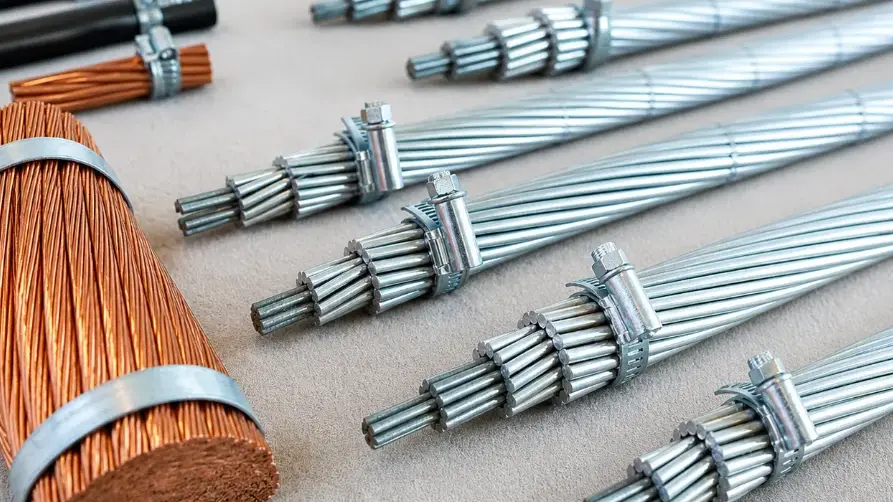
While all three standards regulate the same basic ACSR design, they differ sharply in naming conventions, regional adoption, and specific material tolerances.
While all three standards govern the same fundamental ACSR conductor technology, they differ in naming conventions, regional adoption, material references, and testing requirements.
| Comparison Aspect | ASTM B232 | IEC 61089 | BS 215 |
|---|---|---|---|
| Standard Organization | ASTM International | International Electrotechnical Commission | British Standards Institution |
| Primary Application Region | North America, Latin America, some Middle East projects | Global (widely used in international transmission projects) | UK legacy systems, Africa, South Asia, Commonwealth regions |
| Conductor Design Approach | Standardized named designs (e.g., Drake, Hawk) | Metric-based cross-sectional design (e.g., 240/40 mm²) | Traditional named designs (e.g., Zebra, Panther) |
| Specification Basis | Construction + material requirements | Electrical, mechanical, and dimensional performance | Dimensional and traditional utility specifications |
| Key Focus | Manufacturing consistency and material compliance | System performance and standardized engineering design | Legacy utility compatibility and standardized sizing |
| Testing Approach | Strong focus on manufacturing and material tests | Balanced electrical + mechanical performance testing | Basic mechanical and dimensional verification |
| Interchangeability | Partial, depends on project equivalency approval | High flexibility for international engineering alignment | Limited, often tied to legacy grid designs |
Geographic Scope and Regional Preferences
Standard selection is often influenced by regional engineering practices, utility specifications, and existing grid infrastructure. Most transmission operators follow a specific standards framework to maintain compatibility across their networks.
- IEC 61089: Serves as the most widely recognized international standard and is commonly specified across Europe, the Middle East, Africa, and Asia.
- ASTM B232: Predominantly used in North America and in international projects designed around North American utility practices.
- BS 215: Still widely referenced in parts of Africa, South Asia, and utility systems originally developed under British engineering practices.
For international tenders, the required standard is typically defined by the project owner, utility company, or consulting engineer.
Designation Systems and Naming Conventions
One of the most noticeable differences between these standards is how conductor sizes and configurations are designated. Procurement teams must carefully cross-reference these systems when sourcing conductors from global suppliers.
- IEC 61089: Uses metric conductor designations based on the nominal cross-sectional areas of aluminum and steel components, such as 240/40 mm² or 300/50 mm².
- ASTM B232: Commonly identifies conductors using industry-recognized code names such as Drake, Hawk, Cardinal、 そして Linnet, which correspond to specific conductor constructions and aluminum areas measured in kcmil.
- BS 215: Traditionally uses animal-based conductor designations such as Zebra, Panther、 そして Moose, alongside standardized dimensional requirements.
Material Specifications and Construction Rules
Although the naming systems vary, the underlying conductor design principles remain largely consistent.
- Base Materials: All three standards specify high-conductivity hard-drawn aluminum strands combined with galvanized steel reinforcement, although the detailed material references and performance requirements vary between standards.
- Construction Rules: Each standard follows concentric-lay stranded construction principles designed to balance electrical conductivity with mechanical strength.
- Dimensional Requirements: Differences may exist in strand diameters, lay ratios, conductor dimensions, and manufacturing tolerances.
Interoperability and Cross-Specifying
Because the core engineering principles are similar, many overhead conductor designs can be aligned with more than one standard when properly engineered and tested.
- Multi-Standard Production: Many overhead conductor manufacturers can design and test certain ACSR conductors to comply with multiple standards simultaneously, provided the dimensional, mechanical, and material requirements overlap.
- Equivalent Size Matching: Engineers typically establish equivalency by comparing aluminum area, steel content, rated tensile strength, conductor diameter, and electrical resistance.
- Performance Verification: Core performance evaluations—including breaking load verification, dimensional inspection, and DC resistance testing—are required across all three standards, although the exact procedures and acceptance criteria may differ.
This flexibility allows international overhead conductor suppliers to support projects in multiple markets while maintaining compliance with local utility requirements.
ASTM B232 Requirements for ACSR Conductors
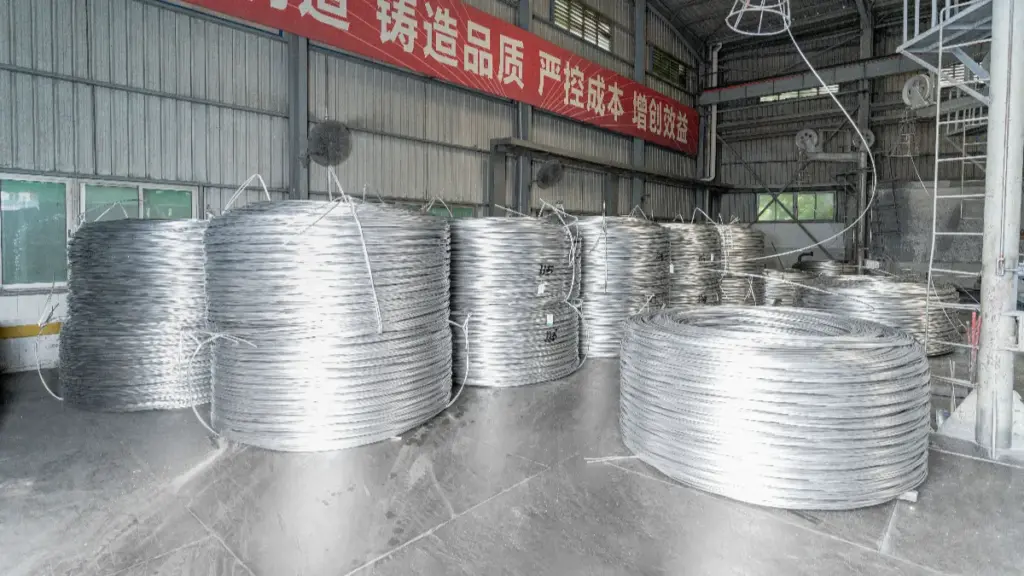
ASTM B232 is the foundational North American standard for ACSR, strictly controlling 1350-H19 aluminum, coated steel cores, and concentric-lay stranding to ensure reliable mechanical and electrical line performance.
Material and Component Specifications
ASTM B232 establishes strict material baselines for ACSR conductors. The outer current-carrying strands must use 1350-H19 hard-drawn aluminum wire, aligning directly with ASTM B230 specifications. For the structural center, the standard requires coated steel core wires that comply with dedicated frameworks like ASTM B498, B606, or B957. This setup deliberately separates the physical roles of the metals. The high-purity aluminum delivers optimal electrical conductivity, while the steel core takes on the mechanical load and provides the necessary tensile strength for long overhead spans.
Concentric-Lay Construction Rules
The standard dictates exactly how manufacturers must assemble the conductor. It requires concentric-lay stranding, wrapping the aluminum strands around the core in organized layers. Successive layers must lay in opposite directions to prevent the conductor from unravelling under tension and to maintain long-term structural stability.
- Core Configurations: Designs scale from a single central steel wire up to heavy-duty 7, 19, or 37-wire stranded cores.
- Lay Direction: Alternating right-hand and left-hand lays balance torsional forces across the cable.
- Performance Goal: This specific construction geometry maximizes the strength-to-weight ratio, allowing engineers to design longer overhead spans with minimal sag.
Pre-Stranding and Post-Stranding Testing
ASTM B232 operates as a complete materials and performance control document, extending far beyond basic dimensional checks. Quality controls apply at multiple stages of the manufacturing timeline.
- Pre-Stranding: Manufacturers must execute mechanical and electrical property tests on the steel core wires before feeding them into the stranding machine.
- Post-Stranding: The outer aluminum wires must pass specific bending tests after the stranding process finishes.
These continuous testing requirements verify that the aluminum retains its ductility and the steel maintains its strength after surviving the physical stresses of the production line.
Corrosion Protection and Steel Coatings
Overhead conductors face decades of weather exposure. To combat environmental degradation, ASTM B232 outlines multiple coating options for the steel core, allowing grid planners to match the protection level directly to the local climate.
- Galvanized Coatings: Class A fits standard inland environments, while Class B and Class C offer thicker zinc layers for severe corrosion exposure.
- Aluminum-Coated: Provides a robust alternative protective barrier for specific atmospheric conditions.
- Zn-5%Al Alloy: Specified for highly aggressive coastal or heavy industrial zones where standard galvanizing degrades too quickly.
Accelerate Your Power Projects With Turnkey Supply
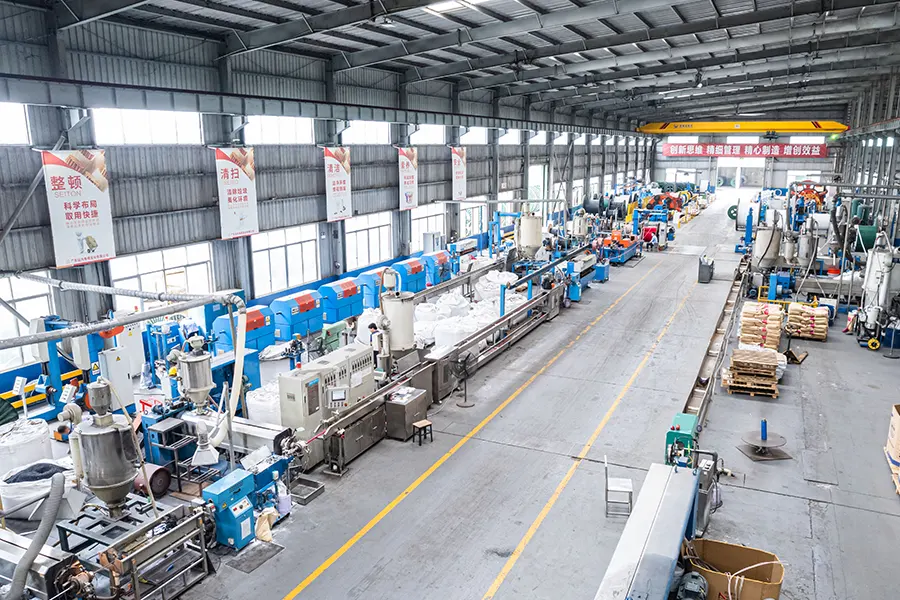
IEC 61089 Specifications for Overhead Conductors
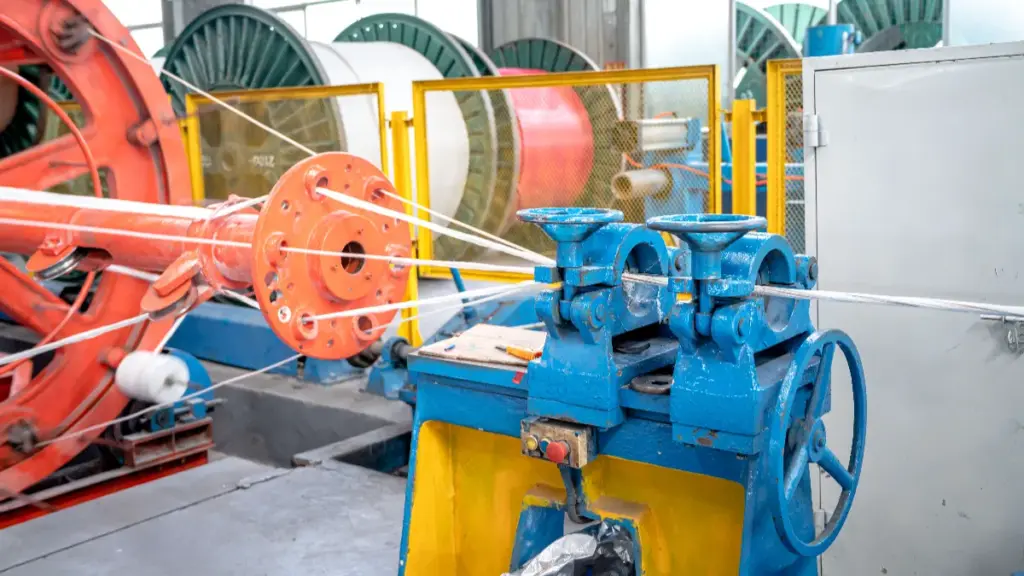
IEC 61089 acts as the global metric baseline for round wire overhead conductors, standardizing material grades and mechanical limits for international transmission grids.
Material Standards and Wire Designations
IEC 61089 relies on a strict material classification system. By linking directly to dedicated IEC material standards, it defines exact chemical and mechanical baselines for both the conductive layers and the structural core.
- Hard-Drawn Aluminium: Specifies EC-grade aluminium conforming to IEC 889 (typically designated as A1).
- Aluminium Alloys: Integrates Type A (A3) and Type B (A2) aluminium alloys defined by IEC 104 to support high-temperature and high-strength line designs.
- Steel Core Wires: Defines steel cores by strength and zinc coating classes (such as S1A and S1B). It permits aluminium-clad steel variants for aggressive, corrosive environments.
Concentric-Lay Construction Rules
The standard dictates the precise physical geometry for bare overhead conductor families, including AAC, AAAC, ACSR, and AACSR. Manufacturers must arrange round wires in concentric layers around a central core. Depending on the size and tension requirements, this core consists of either a single steel wire or a stranded multi-wire cable.
To ensure mechanical stability and prevent the conductor from untwisting under heavy tension, the standard mandates alternating lay directions between adjacent layers of outer wires. It pairs this with specific lay ratio limits to balance conductor flexibility with structural compactness.
Electrical and Mechanical Performance Metrics
Engineers extract critical baseline data from IEC 61089 to perform structural loading and electrical rating calculations. The standard guarantees minimum performance thresholds across three primary categories.
- DC Resistance: Establishes maximum resistance values at a 20 °C reference temperature, calculated strictly from the active cross-sectional area of the aluminium or alloy layers.
- Rated Tensile Strength (RTS): Calculates the conductor’s ultimate breaking load by aggregating the guaranteed minimum breaking strengths of all individual aluminium and steel wires.
- Physical Dimensions: Provides standardized linear mass (kg/km) and overall diameter metrics required for accurate sag-tension modeling and tower clearance design.
Sizing Guidelines and Standard Harmonization
IEC 61089 utilizes a metric size matrix to classify conductors. Instead of using legacy code words or kcmil designations, it identifies conductors by their nominal cross-sectional area in square millimeters (mm²), clearly displaying the ratio of aluminium to steel.
This framework successfully consolidated and superseded fragmented legacy standards—specifically IEC 60207, 60208, 60209, and 60210—into one unified document. Today, procurement teams and EPC contractors use this standard as the primary metric baseline to map and cross-reference equivalent conductor sizes against the North American ASTM and British BS systems during international tenders.
BS 215 Standards for Aluminum Conductors
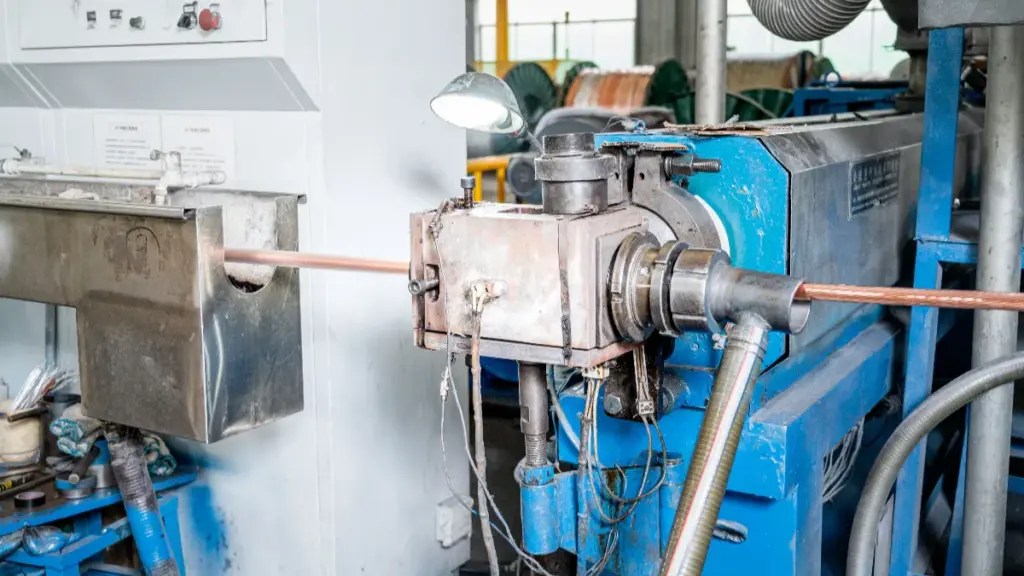
BS 215 provides the foundational framework for aluminum and steel-reinforced overhead conductors in British-influenced grids, enforcing strict mechanical and electrical baselines for transmission networks.
Scope and Industry Role of BS 215
Engineers working in the UK, GCC, and former Commonwealth markets rely heavily on the BS 215 standard for overhead power transmission. It operates parallel to international specifications like IEC 61089 and the ASTM B-series, providing a coordinated system for conductor design.
- Standardized parameters: Governs dimensions, mechanical properties, electrical characteristics, and factory test methods.
- BS 215 Part 1: Focuses exclusively on All-Aluminium Conductors (AAC).
- BS 215 Part 2: Details specifications for Aluminium Conductors, Steel-Reinforced (ACSR).
Splitting the standard into two specific parts allows grid planners to explicitly target either pure conductivity or mechanical reinforcement based on exact line requirements.
BS 215-1 Specifications for AAC
Part 1 of the standard dictates the requirements for bare all-aluminum conductors. Manufacturers build these from 99.7% purity EC grade material, specifically hard-drawn 1350-H19 aluminum, arranged in tight concentric-lay stranded patterns.
- Primary applications: Built for urban distribution lines, short spans, and corrosive coastal environments.
- Defined metrics: Standardizes strict stranding patterns, overall diameters, and approximate mass per kilometer.
- Design priority: Maximizes electrical conductivity and minimizes weight rather than pushing for ultimate tensile strength.
Eliminating the steel core gives AAC superior corrosion resistance. This makes it the only logical choice where salty coastal air quickly degrades standard steel-reinforced lines.
BS 215-2 Specifications for ACSR
When projects demand longer spans and higher mechanical loads, grid planners shift to BS 215 Part 2. This section governs composite conductors featuring a galvanized steel core wrapped in outer aluminum layers.
- Network role: Engineers use ACSR for long-distance, high-capacity transmission lines demanding a high strength-to-weight ratio.
- Industry naming convention: Employs a standardized naming system using animal code words like FOX, DOG, and RABBIT for instant field identification.
- Engineering flexibility: Allows designers to balance tensile strength and current-carrying capacity by altering the steel-to-aluminium ratio.
The animal code system strips ambiguity from procurement. It guarantees contractors and utilities instantly align on exact wire configurations without misinterpreting complex metric tables.
Core Performance Parameters
Both parts of the BS 215 standard enforce rigid operational baselines. These metrics guarantee the conductor behaves exactly as modeled under live thermal and mechanical stresses.
- Electrical conductivity: Establishes maximum DC resistance values at 20 °C to guarantee baseline electrical performance.
- Mechanical limits: Sets minimum breaking loads for each standardized size, creating hard safety margins for line design and sag-tension calculations.
- Dimensional accuracy: Regulates diameter tolerances, ovality, and lay lengths.
Locking down these physical dimensions secures a perfect fit. If the diameter or lay length drifts, the wire will fail to mate safely with standard suspension clamps and network accessories.
Testing and Quality Compliance
A conductor standard holds zero value without aggressive factory verification. BS 215 mandates rigid quality control procedures at the manufacturing level before any reel ships out.
- Required verifications: Mandates type and routine tests to verify wire tensile strength, elongation, and finished conductor resistance.
- Physical inspections: Demands strict dimensional checks on wire diameter, concentricity, and overall stranding.
- Batch consistency: Standardizes sampling procedures for manufacturers to ensure consistent batch quality.
- Cross-standard integration: Maintains dimensional and property equivalence with IEC and ASTM conductors to support mixed-grid infrastructure.
By aligning its dimensional and property checks with broader international benchmarks, BS 215 allows utilities to safely substitute equivalent IEC and ASTM conductors during global supply shortages.
Key Differences in Construction, Testing & Performance
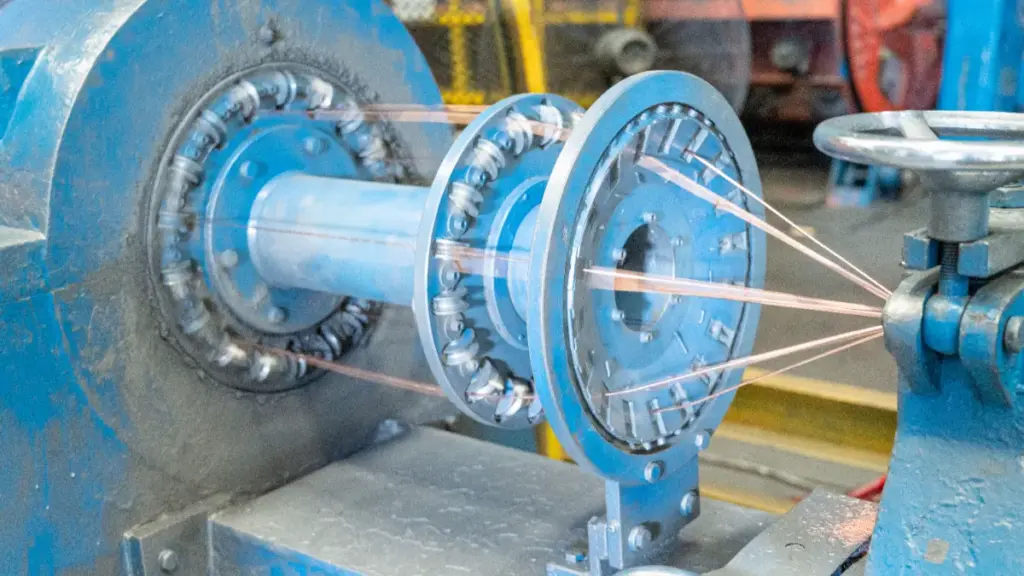
While all standards dictate concentric-lay ACSR, IEC uses metric designations and varying steel classes, whereas ASTM relies on fixed 1350-H19 aluminum, specific bird names, and rigid strength tables.
| Specification Metric | ASTM B232 | IEC 61089 | BS 215-2 |
|---|---|---|---|
| Aluminum Grade | 1350-H19 (Hard-drawn) | A1, A2, A3 (Alloys included) | BS 2627 Hard-drawn |
| Steel Core Rating | Galvanized, High-Strength | S1, S2, S3 Classes | Per BS EN 50189 |
| Size Designation | North American Bird Names | Metric Area (mm²) | Animal Names & Metric |
Construction Materials and Stranding
ACSR standards diverge heavily in how they define baseline materials. ASTM B232 strictly requires 1350-H19 hard-drawn aluminum for the outer strands. IEC 61089 takes a broader approach, incorporating A1, A2, and A3 aluminum alloys to optimize strength and manage long-term creep.
- Steel Core Designations: IEC defines explicit steel core strength classes (S1, S2, S3). ASTM utilizes standard galvanized, high-strength, or extra-high-strength steel designations.
- Size Identifiers: ASTM identifies conductor sizes using North American bird names paired with fixed stranding ratios. IEC and BS 215-2 use metric numerical designations based on cross-sectional area and wire count.
- Corrosion Protection: IEC and BS frameworks directly integrate grease specifications and zinc coating requirements (like EN 50189) to govern high-temperature longevity and corrosion resistance.
Testing Requirements and Methods
Verification protocols highlight another major split between standard families. Dimensional verification requires checking lay ratios and wire diameters against standard-specific tolerances. Inspectors utilize metric limits for IEC or BS standards and inch/kcmil units for ASTM profiles.
- Electrical Resistance: Lab technicians apply different baseline conductivities—pure 1350 aluminum under ASTM versus A1/A2/A3 alloys under IEC—and correct measured values to 20 °C using standard-specific temperature coefficients.
- Mechanical Integrity: IEC requires finished conductors to meet minimum breaking loads tied directly to their specific steel class and alloy. ASTM relies on fixed strength tables for each specific bird size.
- Grease Stability: IEC and BS standards mandate rigorous grease testing. This includes high-temperature drip tests and low-temperature behavior checks to confirm thermal and environmental stability.
Electrical, Mechanical, and Thermal Performance
Standard selection directly dictates line design parameters and field performance. Ampacity varies between standards even for identical cross-sections. This variance occurs due to baseline material resistance differences and the application of regional thermal rating algorithms. When substituting conductors across standard frameworks, engineers must evaluate the total aluminum area, steel strength class, and overall weight rather than relying on nominal area alone.
- Sag and Tension: IEC conductors using S2 or S3 high-strength steel support higher operating tensions. This reduces sag over long spans compared to standard ASTM galvanized core designs.
- Thermal Limits: Alloy aluminum (A2/A3) in IEC designs handles higher continuous operating temperatures better than standard 1350-H19 aluminum by actively controlling long-term creep and sag.
Choosing the Right Standard for International Projects
Selecting the correct ACSR standard depends on several technical and commercial considerations. While ASTM B232, IEC 61089, and BS 215 all define requirements for ACSR conductors, the most suitable choice will depend on project specifications, regional practices, utility preferences, and supply chain requirements.
Follow the Project Specification
The first and most important rule is to comply with the project’s stated requirements.
If a tender specifies ASTM B232 conductors, supplying IEC conductors without approval may lead to rejection—even if the conductors are technically similar. Engineers and procurement teams should always review technical specifications carefully before selecting conductor designs.
Consider Regional Preferences
Different regions typically favor different standards based on historical engineering practices and utility requirements.
| Region | Common Standard |
|---|---|
| United States | ASTM |
| Canada | ASTM |
| Europe | IEC |
| Middle East | IEC / ASTM |
| Africa | IEC / BS |
| Southeast Asia | IEC |
Review Utility Requirements
Many utility companies publish additional technical specifications beyond the standard itself. These requirements are often developed based on local environmental conditions and network operating practices.
Additional requirements may include:
- Special galvanization requirements
- Corrosion resistance testing
- Third-party inspection
- High-temperature conductor performance verification
- Additional acceptance testing
Overhead conductor manufacturers should carefully review all technical documents before production begins to ensure full compliance.
Work with Experienced Overhead Conductor Manufacturer
Beyond selecting the right standard, choosing the right supplier is equally important. A reliable manufacturer can help ensure compliance with project specifications, provide the required testing documentation, and support smooth project execution from procurement to installation.
As a manufacturer specializing in overhead transmission and distribution solutions, LX Electrical supplies a complete range of conductors, including ACSR, AAC, AAAC, ABC cables, and related power line accessories. With advanced production facilities, strict quality control procedures, and manufacturing capabilities aligned with IEC, ASTM, and BS standards, we support utility companies, EPC contractors, distributors, and infrastructure developers across global markets.
If you are evaluating ACSR conductors for an upcoming transmission or distribution project, our engineering team can help identify the most suitable standard, conductor configuration, and supporting accessories based on your technical specifications, environmental conditions, and tender requirements. Contact LX Electrical to discuss your project and receive tailored product recommendations and technical support.
Frequently Asked Questions
What is the main difference between ASTM B232 and IEC 61089?
ASTM B232 is a North American specification focused strictly on ACSR using 1350-H19 aluminum. IEC 61089 is a broader international standard covering multiple overhead conductor types and allowing various aluminum and steel grades. Because they use different material designations and testing methods, buyers cannot treat them as automatically interchangeable.
Does BS 215 fully cover ACSR design and testing?
No. Only BS 215-2 applies to ACSR, providing baseline dimensional and material specifications. Utilities and engineers must supplement it with additional standards, such as IEC 61089 or BS EN 50182, to fully define system-level design factors, environmental application conditions, and comprehensive test methods.
Can one ACSR conductor comply with ASTM, IEC, and BS standards simultaneously?
Yes. Manufacturers can design a single conductor to meet all three standards by satisfying the most restrictive requirements of each. This requires aligning the physical dimensions, ensuring the aluminum and steel properties exceed the strictest baselines, and passing the combined testing criteria for all specified standards.
Which standard is most common for international transmission projects?
IEC 61089 is the most widely accepted standard for global projects outside North America. Its framework accommodates diverse climate conditions and grid requirements, making it the default choice for transmission lines in Europe, the Middle East, Africa, and Asia.
What documentation proves an ACSR conductor meets these standards?
Manufacturers must provide a Declaration of Conformity, plant ISO 9001 certification, and material certificates for the aluminum and steel feedstock. Buyers should also require type-test reports to verify the initial conductor design and routine lot-testing records to confirm consistent production quality.



 Japanese
  English
  French
  Afrikaans
  Portuguese
  Hindi
Hindi  Italian
  Korean
  Spanish
  Arabic
  German
  Russian
  Swahili