






Utility Pole Components Explained: A Complete Guide to Overhead Line Equipment
Utility poles are a key part of modern power distribution systems. They support electrical conductors, 通信ケーブル, 変圧器, and many other devices that help deliver electricity safely from substations to homes, businesses, and industrial facilities.
For utilities, EPC contractors, and electrical distributors, choosing the right utility pole components is essential. Poor-quality hardware, incorrect fittings, or unsuitable materials can increase maintenance costs, reduce system lifespan, and create safety risks.
This guide explains the main types of utility pole components, their functions, selection considerations, and why working with a reliable one-stop supplier can improve project efficiency.
Main Types of Utility Pole Components Used in Power Distribution
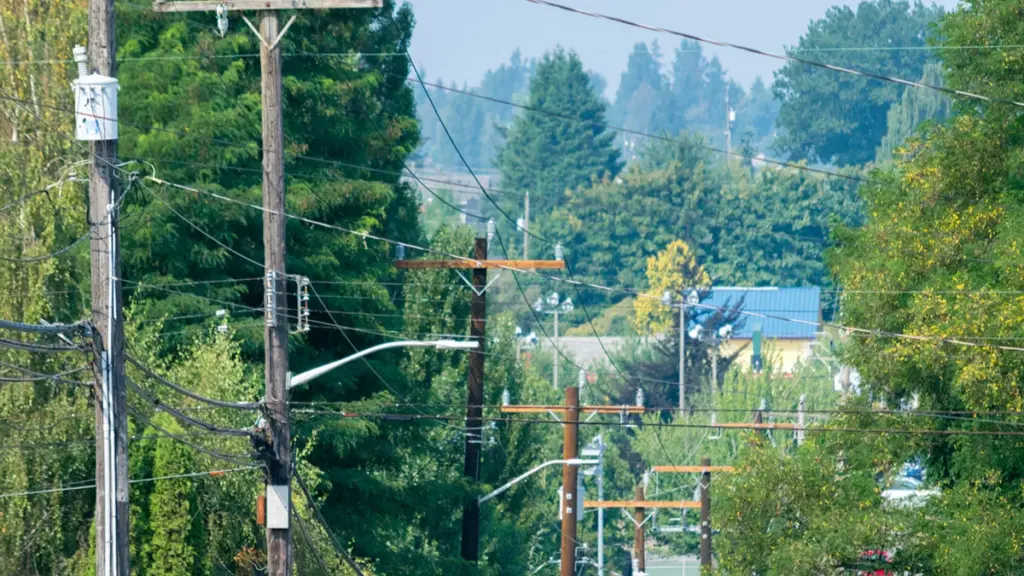
A utility pole is a system of structural, 電気, and protective components working together to support and deliver power, with dedicated space for joint-use attachments like communication lines.
A utility pole system is made up of several groups of components, including structural hardware, electrical protection equipment, conductors, and communication accessories. The exact configuration depends on the voltage level, application environment, and distribution network requirements.
The main utility pole components include:
| Component Category | Main Function |
|---|---|
| Pole structure | Provides physical support for overhead lines and equipment |
| Crossarms and brackets | Hold conductors at the correct spacing |
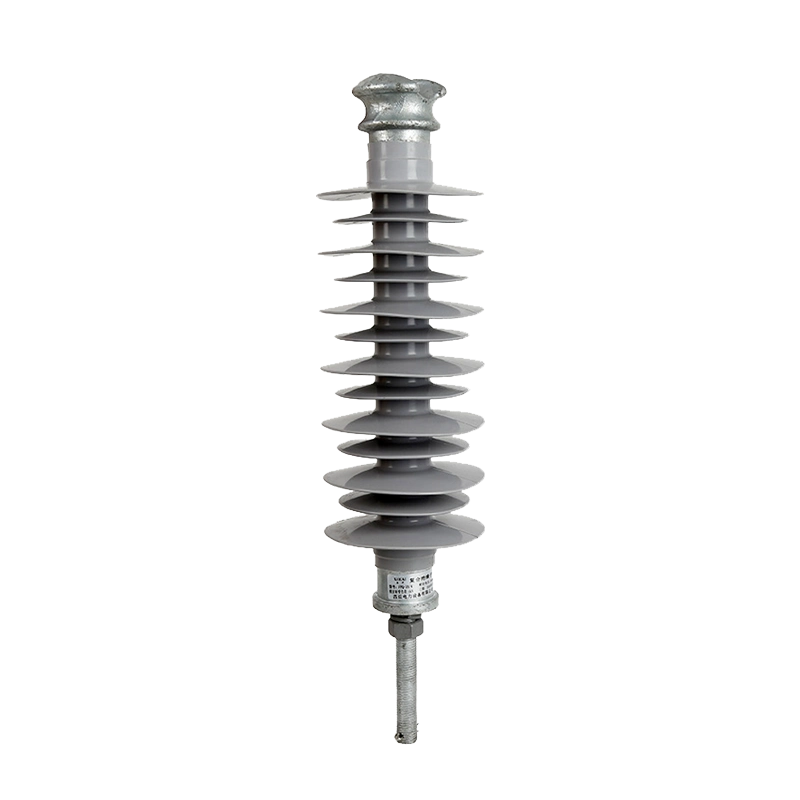
| Insulators | Prevent electrical current leakage to the pole |
| Conductors | Carry electrical power between locations |
| Clamps and fittings | Secure cables and mechanical connections |
| Transformers | Reduce voltage for consumer use |
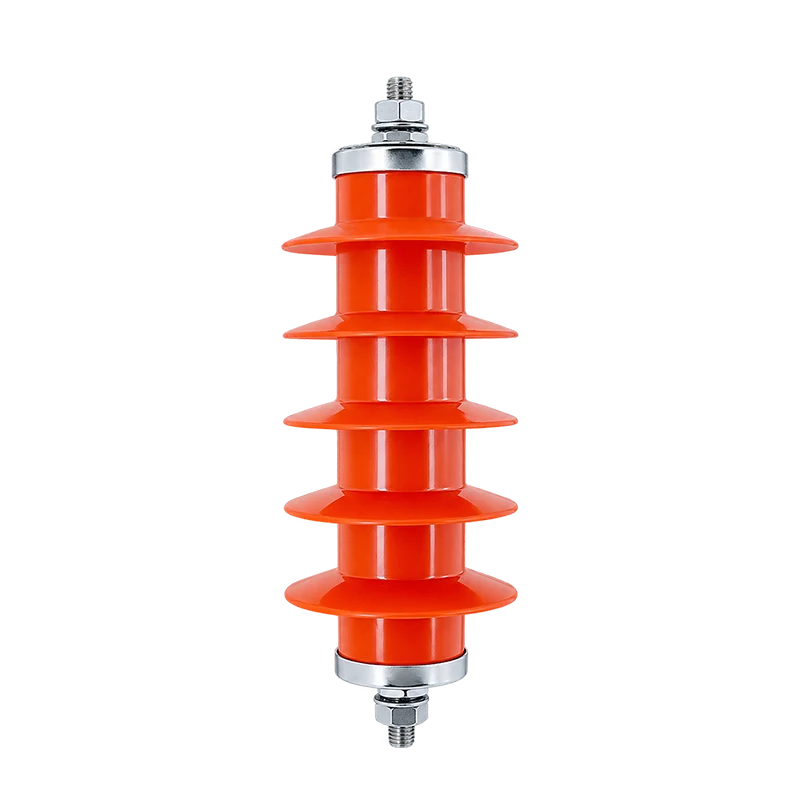
| Surge arresters | Protect equipment from voltage spikes |
| Grounding accessories | Improve electrical safety |
| Communication attachments | Support telecom and 光ファイバーケーブル |
Structural and Mechanical Support Components
These components form the skeleton of the utility pole, providing the physical strength and stability needed to hold everything else up against weather and line tension.
- Pole: The main vertical structure, typically made from treated wood, steel, concrete, or composite materials. It provides the height required for safe ground clearance and acts as the mounting base for all other equipment.
- Crossarms: Horizontal members, usually made of wood or fiberglass, bolted near the top of the pole. Their primary job is to support insulators and maintain safe horizontal separation between electrical conductors.
- Guy Wires and Anchors: Tensioned steel cables that run from the pole to the ground. They are essential for stabilizing the pole and counteracting the strong mechanical forces from conductors, especially at corners, dead-ends, or on uneven terrain.
- Pole Line Hardware: A collective term for the many bolts, brackets, クランプ, and fasteners that hold the entire assembly together. This hardware secures crossarms, 絶縁体, and other equipment firmly to the pole structure.
Electrical Conductors and Wires
These are the pathways for electricity, carrying power at different voltage levels from the substation grid down to individual customers.
- Primary Wires: Located at the top of the pole, these conductors carry high-voltage electricity, typically in the range of 4 kV to 35 kV. They transport power from a substation along main distribution routes.
- Secondary Wires: These wires carry low-voltage power (例えば, 120/240 V) from the distribution transformer to the customer’s service drop. They are located below the transformer.
- Neutral and Shield Wires: The neutral wire provides a return path for the electrical current. A shield wire, often located at the very peak of the pole, helps protect the primary conductors below from direct lightning strikes by intercepting the surge and directing it to ground.
Voltage Control and Protection Equipment
This group of devices manages voltage levels and acts as the system’s safety net, protecting it from damaging electrical faults and surges.
- Distribution Transformer: The familiar cylindrical or rectangular “can” mounted on the pole. Its function is to step down the high primary voltage to the lower secondary voltage used by homes and businesses.
- Fused Cutouts: These devices act as both a protective fuse and a manual switch. They automatically disconnect a transformer or a section of the line during an overload or short circuit, often dropping open to provide a clear visual indicator that a fault has occurred.
- Surge Arresters: Connected between the primary conductor and the ground wire, these devices protect the transformer and other equipment by diverting dangerous voltage surges from lightning or switching events safely to the ground.
Insulation and Grounding Components
Safety relies on properly isolating energized parts and providing a safe, low-impedance path for fault currents to reach the earth.
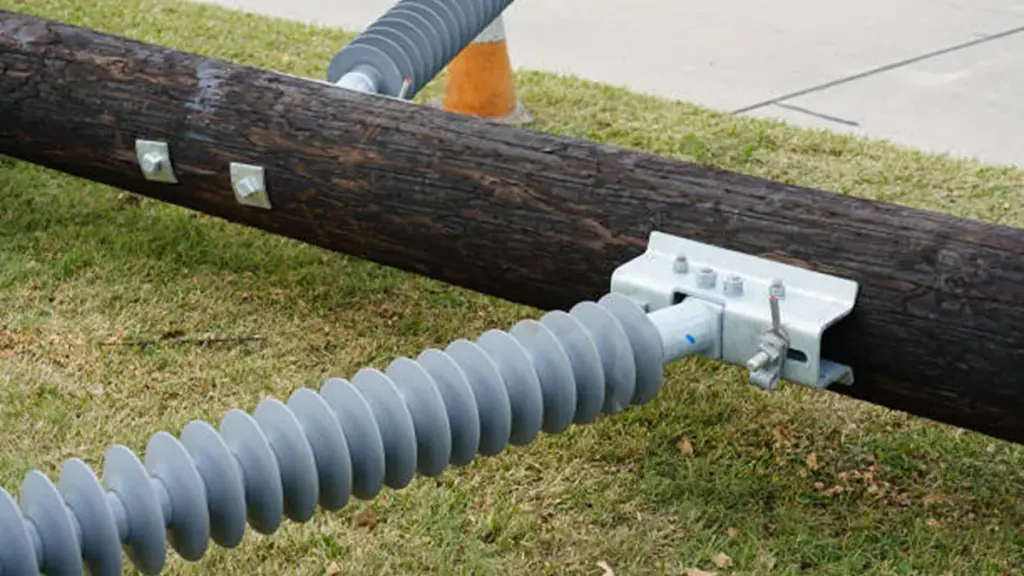
- Insulators: Made from non-conductive materials like porcelain, glass, or polymer, insulators support energized conductors while preventing electricity from flowing into the pole or crossarm. They are critical for preventing faults and ensuring public safety.
- Pole Ground Wire: This is a conductive wire, often copper, that runs the vertical length of the pole. It connects the metal casings of equipment like transformers and the surge arresters to a ground rod buried in the earth, providing a safe path for fault currents.
Joint-Use and Ancillary Attachments
Power poles are often shared infrastructure, hosting equipment for other services in designated zones to reduce clutter and cost.
- Communication Cables: Fiber optic, coaxial (cable TV), and telephone lines are typically located in the lower portion of the pole, separated from the high-voltage power conductors above by a mandatory safety clearance zone.
- Street Lighting: Light fixtures, mounting arms, and their associated wiring are often attached directly to utility poles to provide illumination for streets and public areas, usually tapping into the low-voltage secondary circuit.
Utility Pole Hardware: Clamps, Brackets and Fittings Explained
When you look at a utility pole, it’s easy to focus on the wires and the pole itself. But the system’s mechanical integrity relies entirely on a set of specialized components: the hardware that grips, mounts, and connects everything. Without the right clamps, brackets, and fittings, the entire overhead network would fail.
Utility Pole Clamps: Gripping and Securing Cables
| Type | Application |
|---|---|
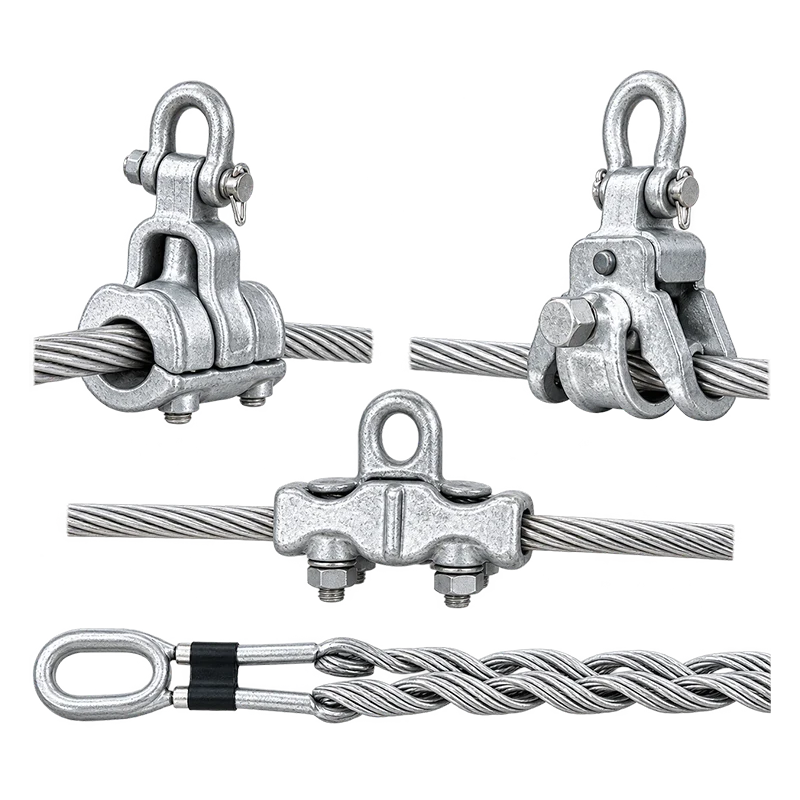
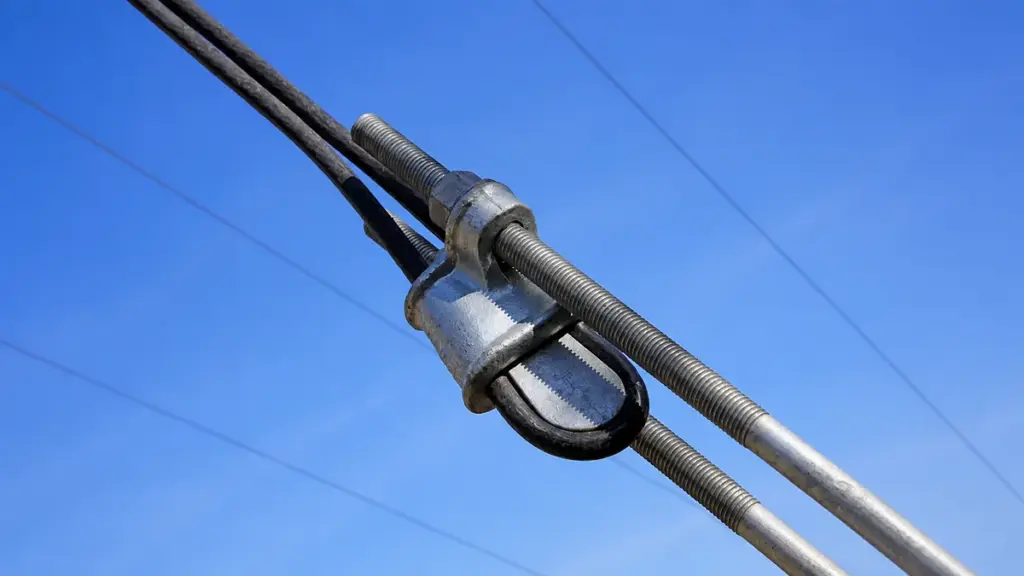
| Suspension clamp | Supports cables on straight sections of overhead lines |
| Dead-end clamp | Anchors cables at termination points or corners |
| Anchor clamp | Provides strong mechanical holding force |
| Pole clamp | Fixes accessories directly onto poles |
The primary job of a utility pole clamp is to securely grip a conductor, cable, or piece of hardware. These devices are responsible for holding the lines in place and safely transferring mechanical loads like tension, wind, and ice from the cables into the pole. Key types include tension (or dead-end) クランプ, which anchor lines at the end of a span, and suspension clamps, which support cables at intermediate poles. For mounting hardware, especially on concrete or steel poles, pole band clamps are wrapped around the structure. Selecting the correct clamp comes down to the cable’s diameter, the required load capacity, and the pole’s material.
Utility Pole Brackets: Mounting and Aligning Components
Brackets are the structural supports used to mount equipment—from insulators and clamps to heavy transformers—onto a utility pole. They create the necessary offset from the pole body, which is critical for maintaining required electrical clearances and proper cable alignment. You’ll find different types in the field, including basic pole brackets for insulators, wall-mounted anchor brackets for building attachments, and suspension hanger brackets for routing telecom cables. To resist the bending and shear forces from attached hardware, these components are typically made from tough materials like galvanized steel or ductile iron.
Utility Pole Fittings: Connecting the System
“Fittings” is the broad category for all the connection components that tie clamps and brackets together into a working assembly. This includes everything from the nuts, bolts, and washers that secure hardware to pole bands that allow mounting on poles where drilling is impractical. Pole bands are especially vital for attaching hardware to concrete, steel, or composite poles. Other critical fittings include guy attachments and anchor fittings, which connect the pole’s stabilizing wires to the structure, often via a pole band, to counteract the immense tension from different types of conductors and wind loads.
Factory-Direct Sourcing for Your Power Project
Insulators and Conductors Used on Utility Poles
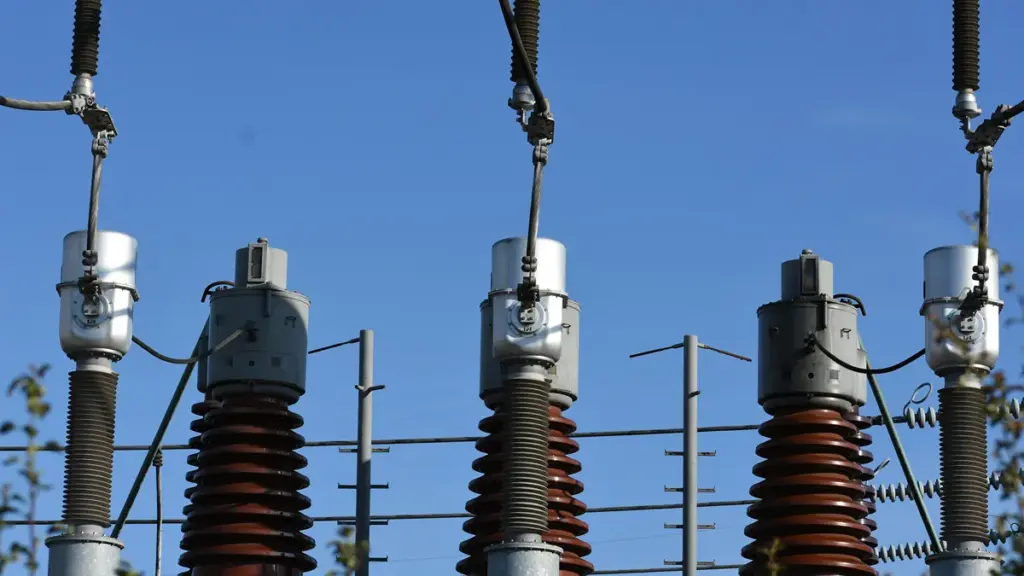
Insulators and conductors are two of the most important electrical components installed on utility poles.
Conductors transfer electrical energy, while insulators ensure that electricity flows only through the intended path.
Types of Insulators Used on Utility Poles
Insulators separate energized conductors from poles and supporting structures. They prevent current leakage and protect equipment from electrical faults.
Common types include:
| Insulator Type | Typical Application |
|---|---|
| Pin insulator | Medium and low-voltage distribution lines |
| Suspension insulator | Higher voltage overhead systems |
| Post insulator | Compact distribution structures |
| Composite insulator | Areas requiring lightweight and high pollution resistance |
Modern distribution systems increasingly use composite insulators because they offer:
- Lightweight design
- Excellent weather resistance
- Better pollution performance
- Reduced maintenance requirements
Conductors Used in Overhead Distribution Lines
Conductors are responsible for transmitting electrical power through the network.
Common conductor types include:
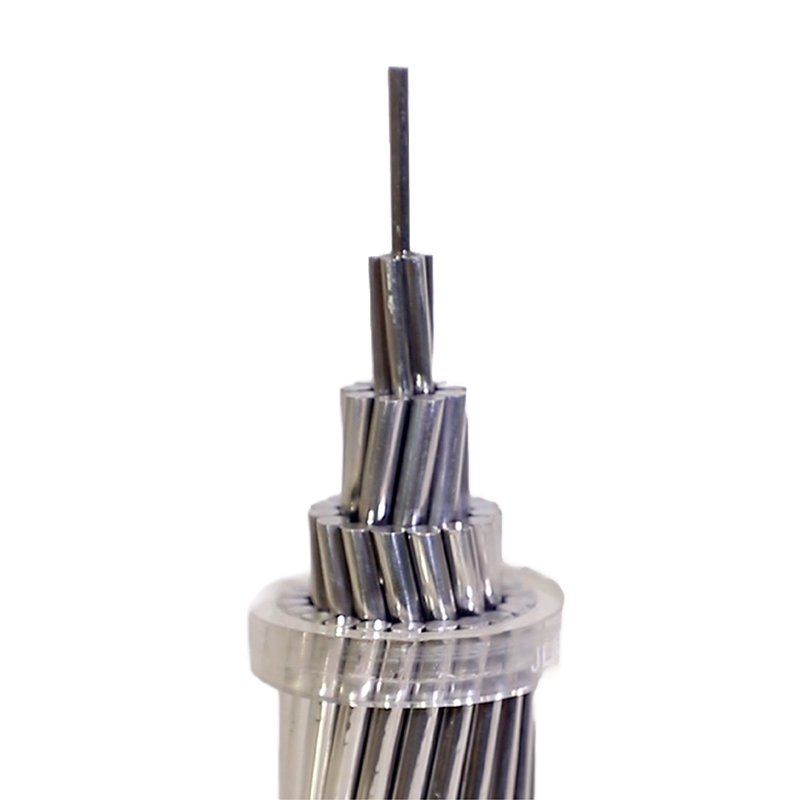
AAC (オールアルミニウム導体)
AAC provides good conductivity and is mainly used for short-distance distribution lines where mechanical strength requirements are moderate.
AAAC (All Aluminum Alloy Conductor)
AAAC uses aluminum alloy materials to improve mechanical strength and corrosion resistance.
ACSR (Aluminum Conductor Steel Reinforced)
ACSR combines aluminum conductivity with steel reinforcement, making it suitable for longer spans and higher mechanical loads.
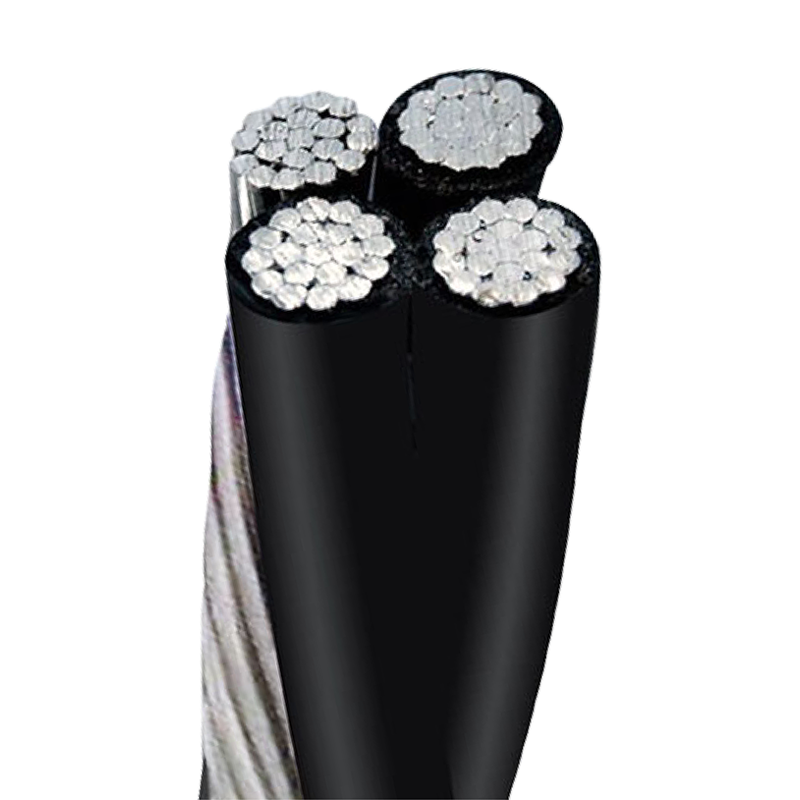
ABC (Aerial Bundled Cable)
ABC cables combine multiple insulated conductors into one bundled structure. They are commonly used in low-voltage distribution networks, especially in residential areas.
Related: ACSR vs AAC vs AAAC Conductor: How to Choose the Right One
How to Select the Right Components for Overhead Distribution Projects
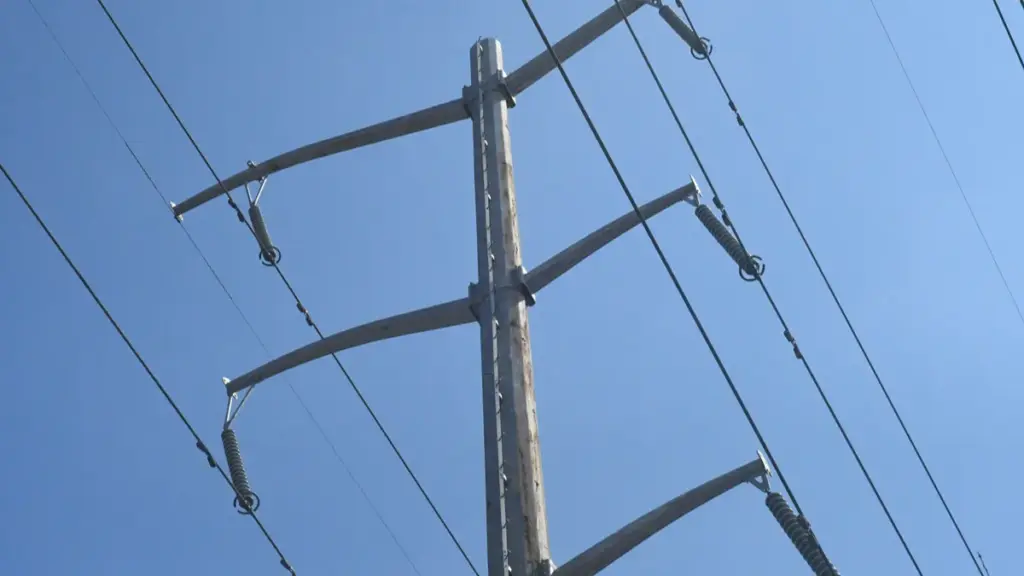
Selecting the right components for overhead distribution projects means matching each part to the project’s specific electrical loads, mechanical stresses, および環境条件. Getting this wrong from the start leads to premature failures, costly maintenance, and reduced grid reliability. A disciplined selection process is non-negotiable.
| Component Area | Key Selection Criteria |
|---|---|
| Poles, Crossarms, and Support Structures |
|
| Conductors and Insulators |
|
| Hardware, Clamps, and Connectors |
|
| Protection and Grounding Devices |
|
Ultimately, a successful overhead project relies on a system of compatible, correctly rated components, not just a collection of individual parts chosen in isolation. Every piece—from the pole class to the connector finish—must be specified to handle the mechanical and electrical demands of its specific location on the line.
Common Challenges in Utility Pole Equipment Procurement
Sourcing utility pole equipment is a constant battle against volatile supply chains, long lead times, complex specs, and internal process gaps that inflate costs and delay projects.
Supply Chain Volatility and Cost Instability
The market for pole equipment is anything but stable. Tariffs and fluctuating raw material costs create major headaches for procurement teams trying to stay on budget.
- Tariffs on essential materials like steel and aluminum directly inflate costs for hardware, brackets, and the poles themselves.
- Changing duties and volatile raw material prices make budget forecasts and multi-year contracts unreliable.
- Sourcing constraints force utilities to find new domestic or international suppliers, triggering lengthy and expensive re-qualification processes.
- Growing global demand for steel and other pole materials creates fabrication backlogs and intense pricing pressure.
Extended Lead Times and Component Availability
Getting the right components on time is a core challenge. Long lead times for fundamental parts can stall entire projects, creating a domino effect of delays and increased costs.
- Lead times for fundamental components are often long, such as 8–16 weeks for steel poles and over a year for standard distribution transformers.
- Projects stall when pole installation is held up by the unavailability of associated long-lead equipment like switchgear or transformers.
- Regional demand surges from grid modernization or storm hardening programs can create capacity shortages and component allocation issues among suppliers.
- The goal of just-in-time inventory clashes with the reality of long-lead items, creating persistent project bottlenecks.
Specification Complexity and Standardization Hurdles
Every utility has its own way of doing things, leading to highly customized specifications that complicate procurement and drive up costs. The push for standardization often meets internal resistance.
- Highly customized pole and hardware specifications for different materials, loads, and applications reduce interchangeability and complicate inventory management.
- Attempts to standardize components often face organizational resistance from teams accustomed to legacy designs, leading to higher costs and more SKUs.
- The rise of new joint-use attachments, like 5G small cells and sensors, adds complexity by requiring unique mounting hardware and load calculations.
- One-off or non-standard designs consistently result in higher unit costs and longer fabrication times.
Vendor Dependency and Qualification Bottlenecks
Relying on a handful of suppliers is risky, but diversifying is slow and difficult. The process for vetting and qualifying new vendors can become a bottleneck in itself.
- Over-reliance on a small base of qualified suppliers for critical items creates significant risk if a single vendor faces a disruption.
- The qualification cycle for new suppliers is time-consuming and resource-intensive, which slows down efforts to diversify the supply chain.
- Domestic manufacturing capacity is limited for specialized items like composite poles or certain types of transformers.
- Geographic concentration of suppliers makes the supply chain vulnerable to regional disruptions like port closures, labor strikes, or natural disasters.
Internal Process, Data, and Coordination Gaps
Often, the biggest challenges are internal. Fragmented data, poor communication between departments, and reactive buying habits prevent a strategic approach to procurement.
- Procurement and inventory data is often fragmented across multiple systems (ERP, GIS, WMS), preventing an accurate view of spend and stock levels.
- Weak collaboration between engineering, procurement, and operations leads to specification misalignments and expensive change orders.
- Supply chain intelligence, such as lead times and supplier capacity, is rarely integrated into long-range capital planning.
- Procurement practices become reactive, driven by immediate project needs rather than strategic, data-informed forecasting.
Why Choose a One-Stop Supplier for Utility Pole Components
Consolidating your utility pole component purchasing simplifies logistics, ensures parts are compatible, and reduces overall project risk by shrinking your vendor list to a single, accountable partner.
When you’re running an overhead distribution project, managing dozens of part numbers from multiple vendors is a recipe for delays and compatibility headaches. The real value of a one-stop supplier isn’t just about convenience; it’s about reducing the moving parts that can derail a project, from procurement paperwork to field installation.
Streamline Procurement and Logistics
Dealing with fewer vendors directly cuts down on administrative friction. Instead of juggling multiple points of contact, payment schedules, and delivery windows, your team can focus on execution. This consolidation has a clear impact on project efficiency.
- Reduces Administrative Overhead: You’re cutting one purchase order for the entire material package, not separate ones for poles, crossarms, 絶縁体, and hardware. This means fewer invoices to process and fewer vendors to onboard and manage.
- Consolidates Shipments: A single supplier can stage and bundle materials for a specific job. This results in fewer trucks arriving at the yard, simplifying receiving and reducing the warehouse coordination needed to get a complete kit ready for crews.
- Provides a Single Point of Contact: When a field crew has a question about a fitting or needs support, they have one number to call. This eliminates the runaround between different electric power cable fittings manufacturers and gets answers faster.
Improve Component Compatibility and Quality
Nothing stops a job faster than a truckload of hardware that doesn’t fit the poles that were delivered last week. Sourcing from one provider who understands how these components work together minimizes the risk of expensive and time-consuming mismatches.
- Minimizes Mismatches: A one-stop supplier ensures the pole-line hardware is correctly matched to the pole’s material, クラス, and specifications. The risk of receiving bolts of the wrong length or clamps for the wrong diameter is significantly lower.
- Ensures Consistent Quality Control: When all components come from a single, accountable source, it’s easier to maintain a consistent standard of quality. You’re not getting top-tier insulators paired with low-grade fasteners from another vendor.
- Simplifies Compliance Verification: Instead of chasing down test reports and compliance documents from five different companies, you get one consolidated package. This simplifies the process of verifying that all parts meet utility specifications and industry standards.
Accelerate Project Execution
Project timelines in the utility world are tight, and material availability is a constant challenge. Working with one supplier helps shorten lead times and ensures crews have what they need when they arrive on site, which is especially critical during emergency repairs.
- Shortens Overall Lead Times: By centralizing order processing, material staging, and shipping, a single supplier can often coordinate delivery more effectively than a project manager trying to orchestrate multiple independent vendors.
- Boosts Field Efficiency: Crews are most efficient when they show up to a job site with a complete and correct material package. This eliminates costly downtime spent waiting for a missing component or returning incorrect parts.
- Improves Emergency Response: During storm restoration, speed is everything. A one-stop supplier with deep inventory and surge capacity can often fulfill complex orders for poles, hardware, and accessories faster than trying to source them piecemeal from a scattered supply chain.
Lower Total Cost and Reduce Risk
Focusing only on the unit price of each component misses the bigger picture. The total cost of a project includes administrative time, logistics coordination, and the financial impact of delays. A single-source strategy directly addresses these hidden costs and mitigates common project risks.
- Reduces Hidden Costs: The time your team spends managing vendors, tracking shipments, and processing paperwork is a real cost. Consolidating suppliers reduces this administrative burden, freeing up resources for higher-value work.
- Minimizes Schedule Risk: A project can be held up for weeks if a single small but critical component is back-ordered. A one-stop supplier takes on the responsibility of coordinating the entire bill of materials, reducing the risk that one part from one vendor delays everything.
- Simplifies Warranty and Support: If a component fails or there’s a fitment issue, there is no finger-pointing between different electric power fitting manufacturers. A single supplier is accountable for the entire package, streamlining warranty claims and technical support.
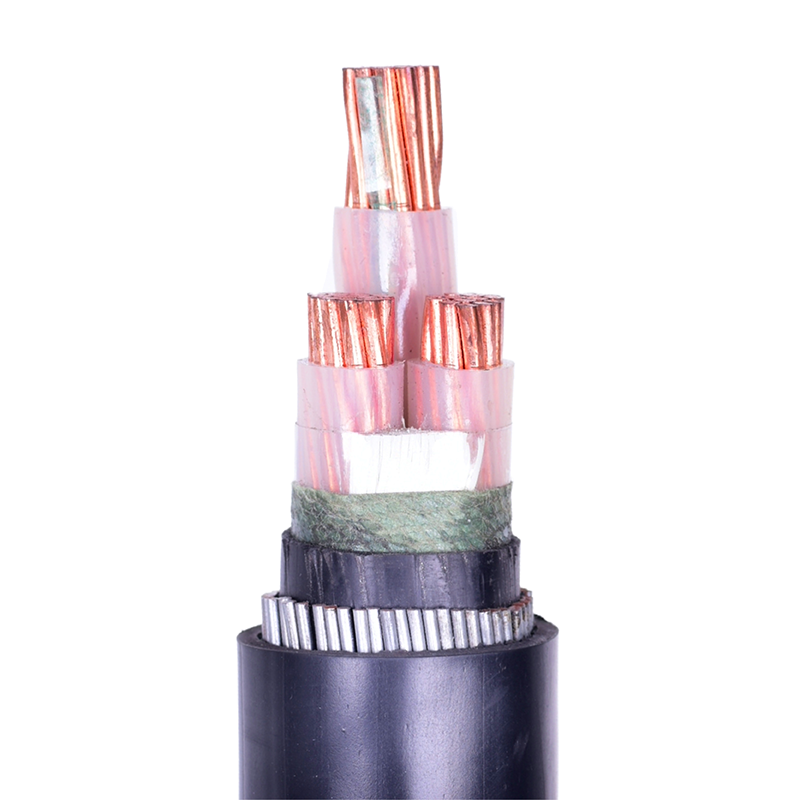
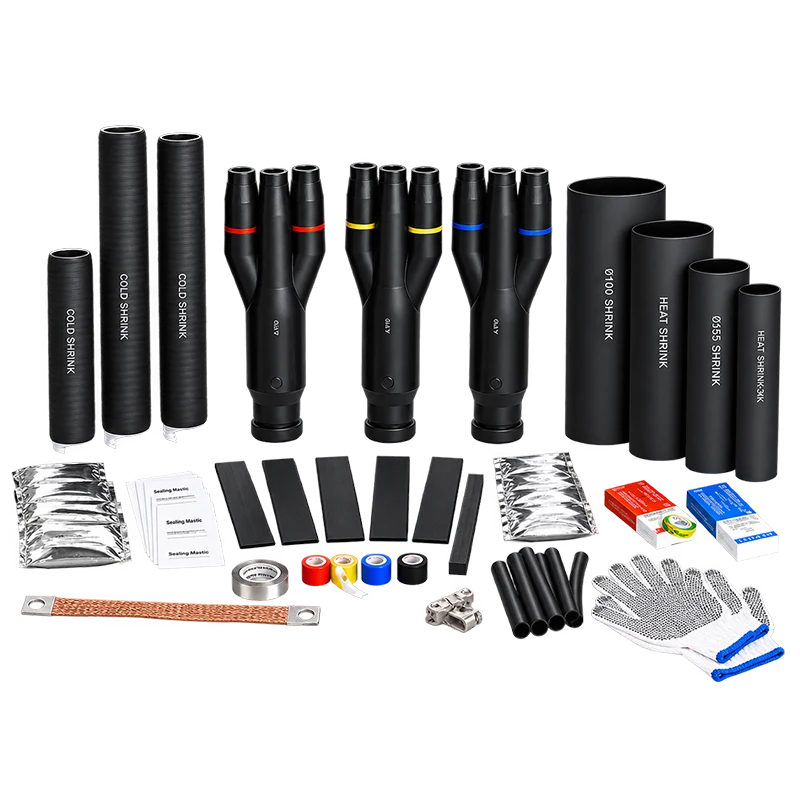
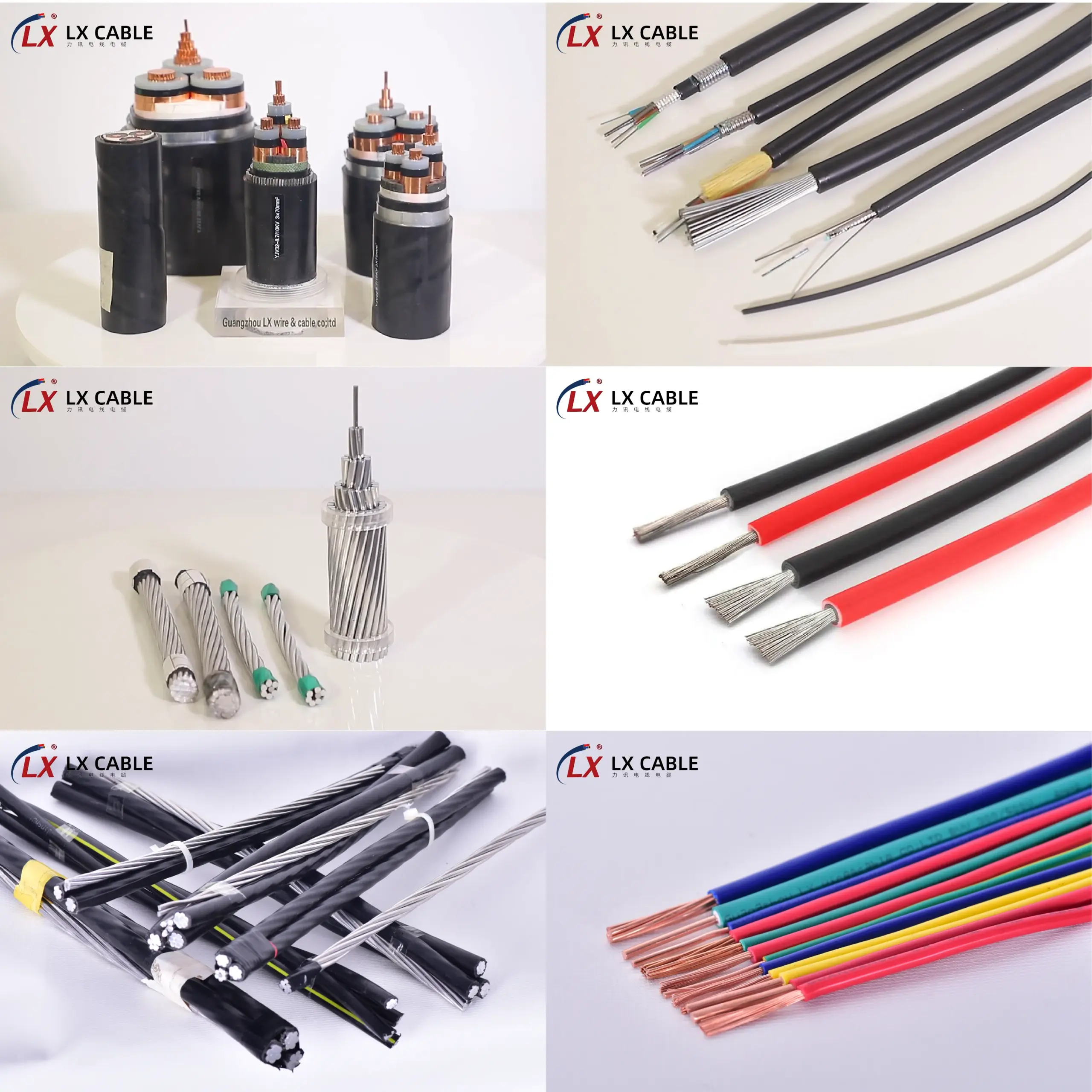
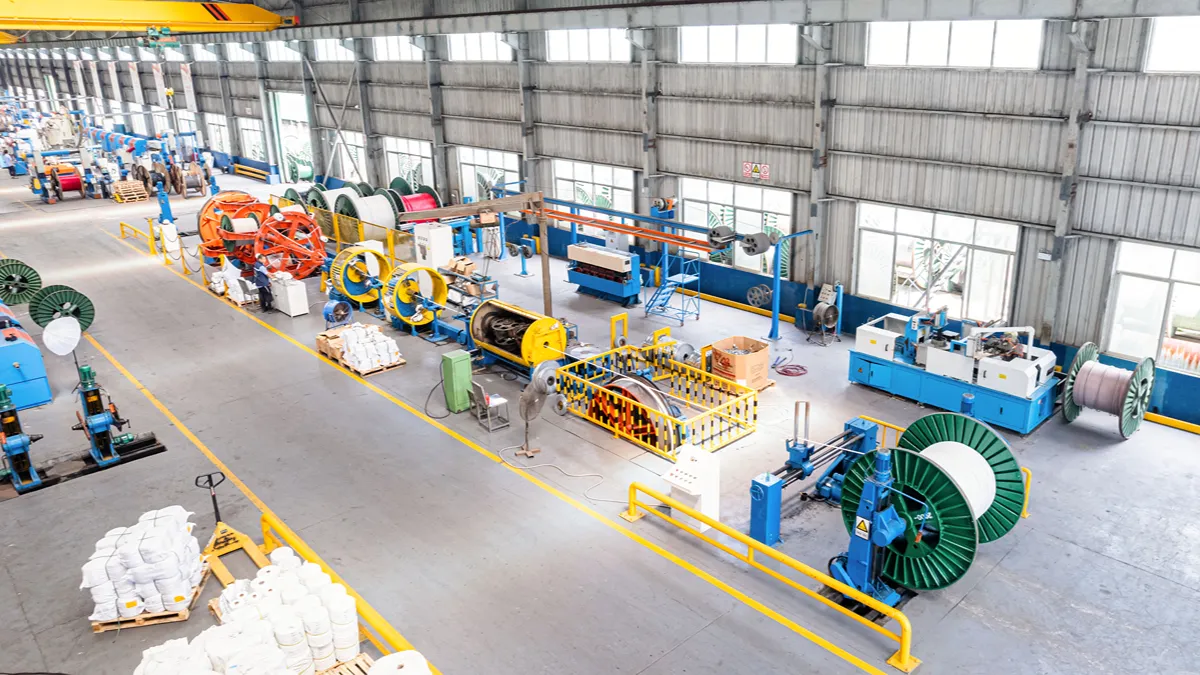
As a professional China power cable manufacturer and integrated electrical solution provider, Guangdong LX Wire and Cable Co., Ltd. supports customers with power cables, 光ファイバーケーブル, and related overhead line accessories. By providing multiple product categories under one supply system, LX Cable helps contractors, distributors, and utility partners reduce procurement complexity and build more reliable power distribution networks.
よくある質問
What are the main parts of a utility pole?
A utility pole’s main parts include the physical pole structure; primary power components at the top (conductors, crossarms, 絶縁体); transformers to step down voltage; secondary power lines for customer delivery; communication cables in a lower zone; and support hardware like ground wires and guy wires for stability and safety.
What equipment is usually mounted on power poles?
Power poles typically carry electrical equipment like high-voltage primary conductors, 変圧器, and low-voltage secondary lines. They also hold protective devices such as fuse cutouts and lightning arresters, telecommunications attachments like fiber optic and coaxial cables, and structural hardware including crossarms and insulators.
What is the difference between transmission and distribution poles?
The main difference is their function. Transmission poles are very tall, often steel, and carry high-voltage electricity over long distances between power plants and substations. Distribution poles are shorter, typically wood, and are found along streets to deliver lower-voltage power from substations directly to homes and businesses.
Why do some poles carry both power and communication lines?
Poles carry both to share infrastructure, which reduces costs, saves space, and minimizes visual clutter. This is done safely by organizing the pole into vertical zones: high-voltage power lines are at the top, and communication cables are in a designated space lower down, separated by a mandatory safety clearance.
How are insulators used on utility poles?
Insulators are non-conductive components, typically made of porcelain or polymer, that are used to safely support energized electrical wires. Their function is to provide both mechanical support for the conductors and electrical isolation to prevent the current from flowing to the pole or other hardware.
What devices protect overhead lines from faults?
Several devices protect overhead lines. Fuse cutouts act like fuses to isolate a small section of the line or a transformer during a fault. Reclosers are automatic circuit breakers that can clear temporary faults and restore power. Surge arresters protect equipment from damage by diverting high-voltage spikes from lightning.
How do utilities decide where to place transformers on poles?
Utilities place transformers based on the load center to minimize voltage drop to customers, the mechanical strength of the pole, required safety clearances from the ground and buildings, and accessibility for installation and maintenance. The goal is to balance electrical efficiency with public and worker safety.


