

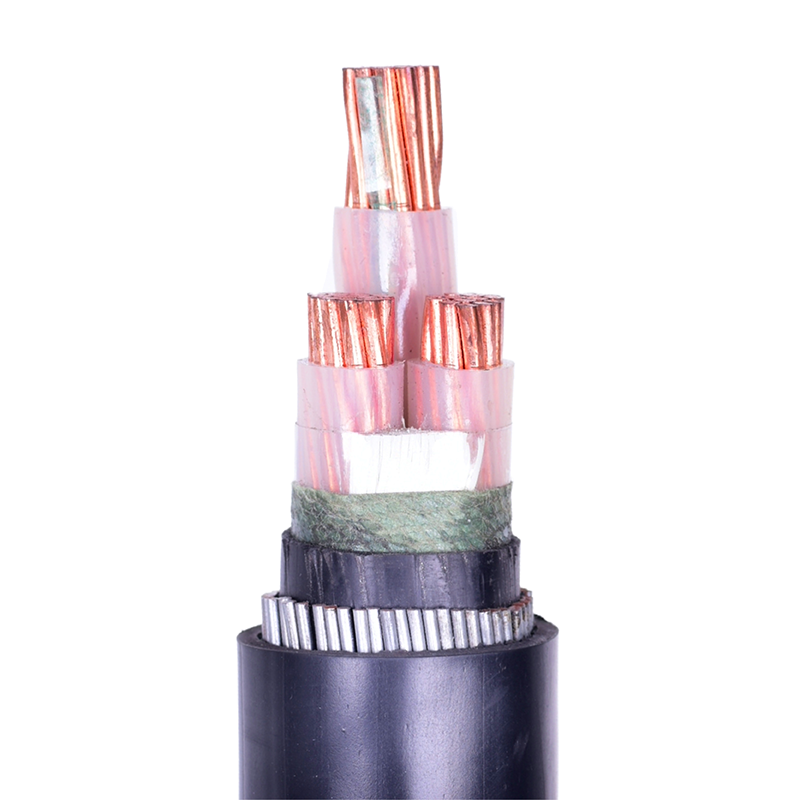

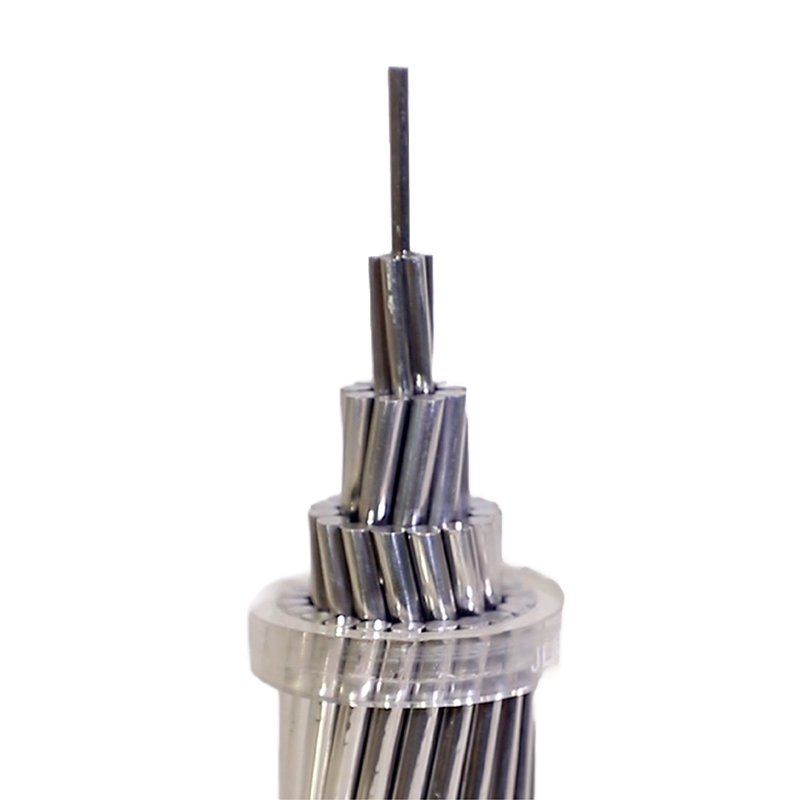
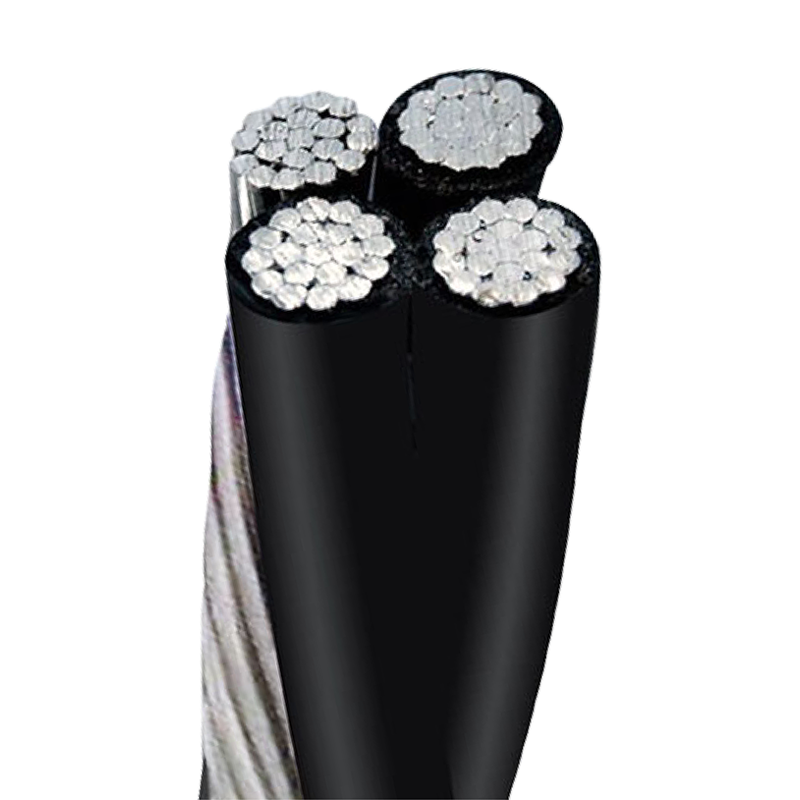


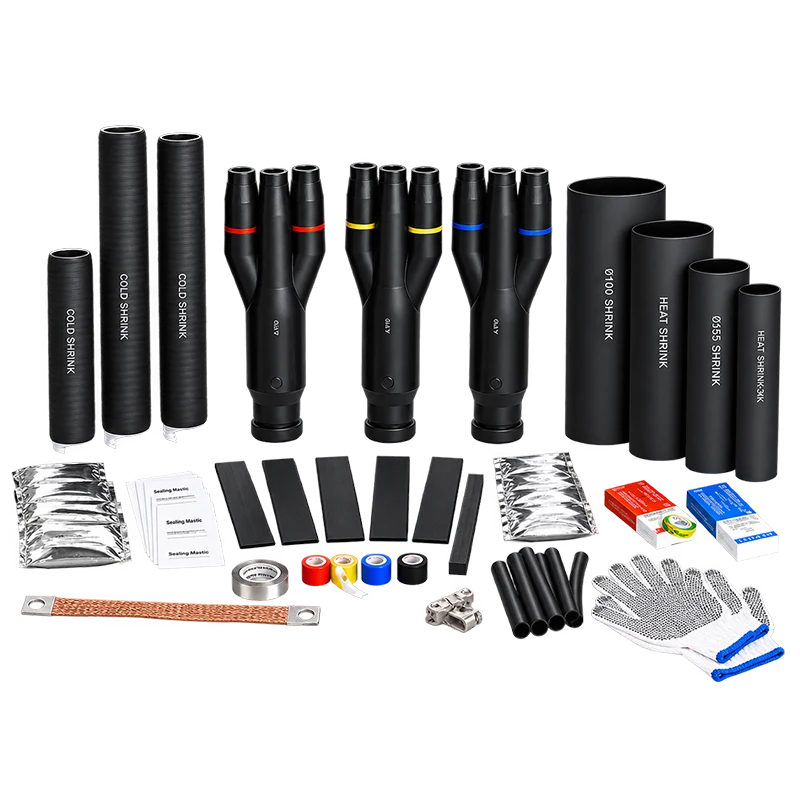




Custom Overhead Insulated Cable Manufacturer — ACSR, AAAC, AAC & ABC Aerial Bundled Cable
IEC 60502 & BS 7870 certified overhead cables for low-voltage distribution networks — supporting AAAC, ACSR, AAC, and ABC bundled options tailored to project specifications.
IEC 60502 & BS 7870 認定済み 130+ 納入国 25+ Years Manufacturing

Urban Distribution
Rural Last Mile
Aerial Bundled Network
Coastal Environments
Forest & Mountain Areas
Overhead Insulated Cable — Conductor Series for LV Aerial Distribution
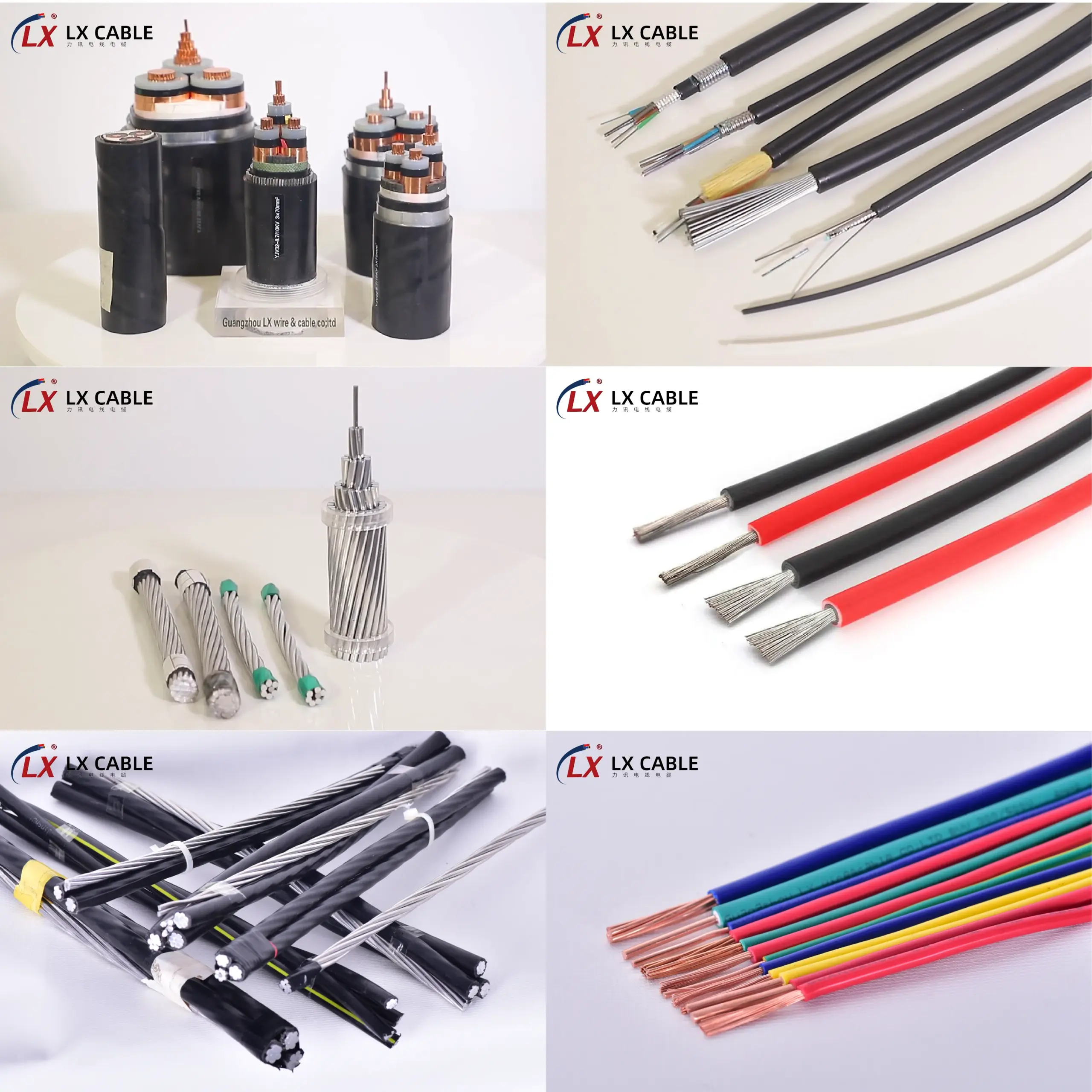
Engineered for 1kV distribution networks in accordance with IEC 60502 — covering steel-reinforced, aluminum alloy, pure aluminum, and aerial bundled configurations matched to your grid topology.
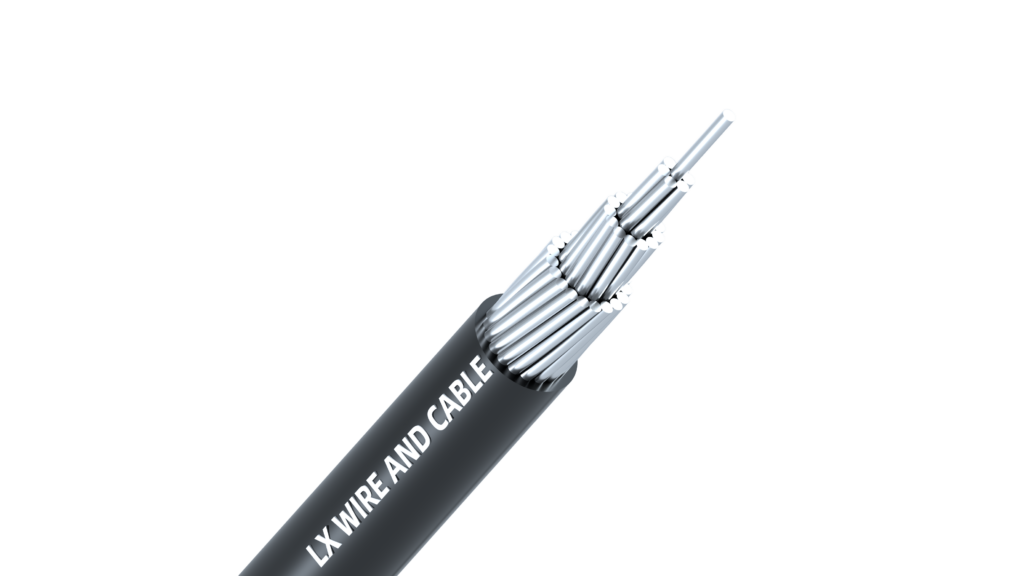
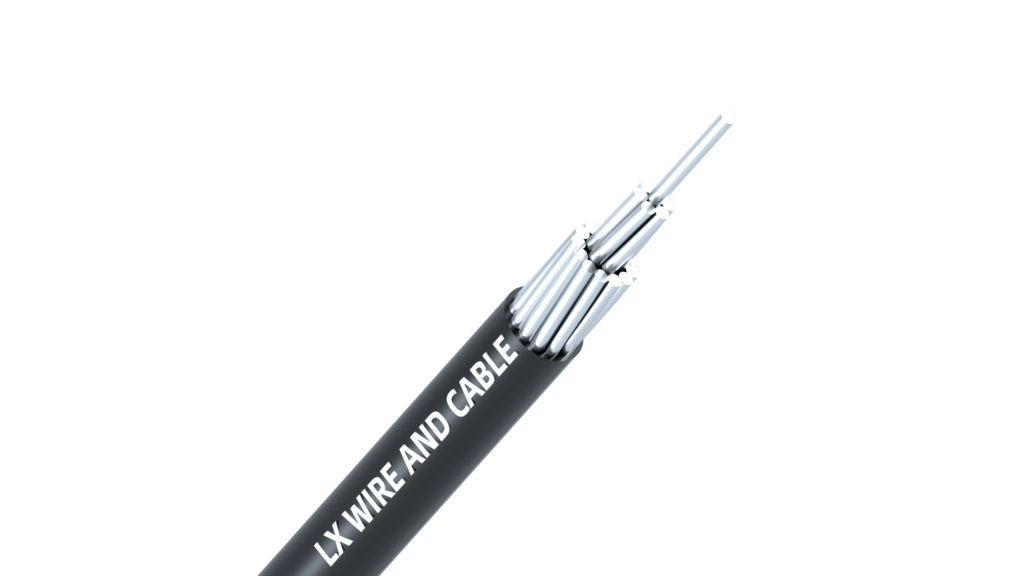
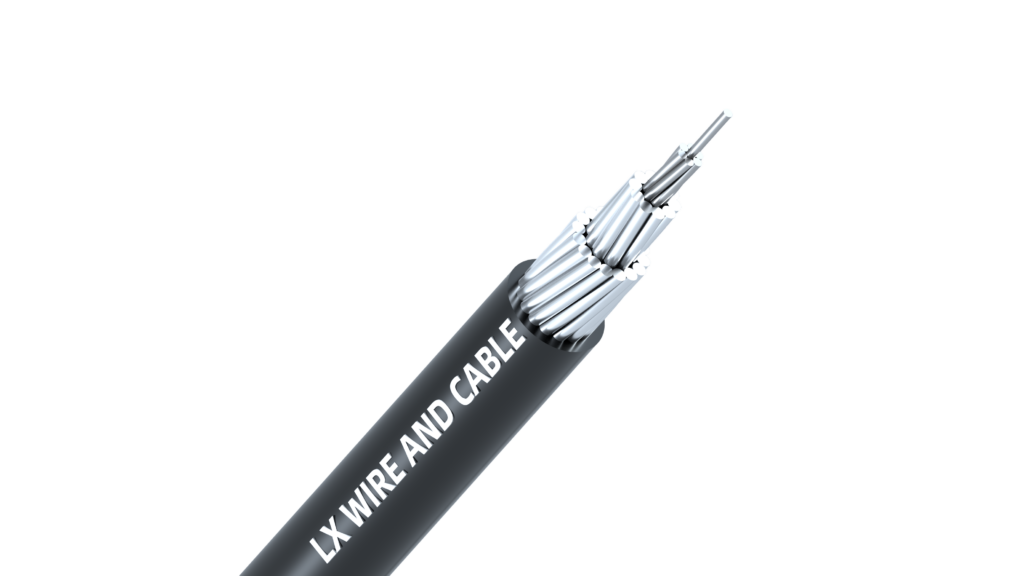
Technical Specifications — 1kV Overhead Insulated Cable Series
| モデル | Conductor Type | 絶縁 | Voltage Rating | Available Cores | Cross-Section Range | Applicable Standard |
|---|---|---|---|---|---|---|
| LV ACSR Insulation Overhead Cable | ACSR (Steel-Reinforced Aluminum) | XLPE / PVC | 1 kV | 1C – 4C | 25 – 400 mm² | IEC 60502 |
| LV AAAC Insulation Overhead Cable | AAAC (All Aluminum Alloy) | XLPE / PVC | 1 kV | 1C – 4C | 25 – 400 mm² | IEC 60502 |
| LV AAC Insulation Overhead Cable | AAC (All Aluminum) | XLPE / PVC | 1 kV | 1C – 4C | 25 – 400 mm² | IEC 60502 |
| ABC Overhead Cable | AAC / AAAC (Bundled) | XLPE | 1 kV | 2C / 4C | 16 – 400 mm² | IEC 60502 / BS 7870 |
Specifications reference standard production ranges. Custom cross-sections, core configurations, insulation colors, and drum lengths are supported on request.
Factory-Direct Custom Overhead Cable for Distribution Projects
From single-drum orders to full-project BOM supply, manufacturing capabilities cover conductor material selection, insulation compound, core count, drum length, and marking requirements — all aligned to your local grid standard or project specification sheet. For multi-product projects, submit a full BOM and our engineering team will review conductor sizing, insulation compatibility, and standard alignment.
- Conductor selection: ACSR, AAAC, or AAC matched to mechanical load and corrosion requirements
- Insulation compound: XLPE for long-term thermal performance; PVC for cost-sensitive applications
- Cross-section & core count: Non-standard sizes from 16 mm² to 400 mm², 1C through 4C
- Drum length & reel marking: Project-specific cut lengths with custom reel labeling and sequential marking
- Standard compliance: IEC 60502, IEC 61089, BS 7870, or client-specified national standard

Built on a Verified Manufacturing Foundation
工場所有の生産
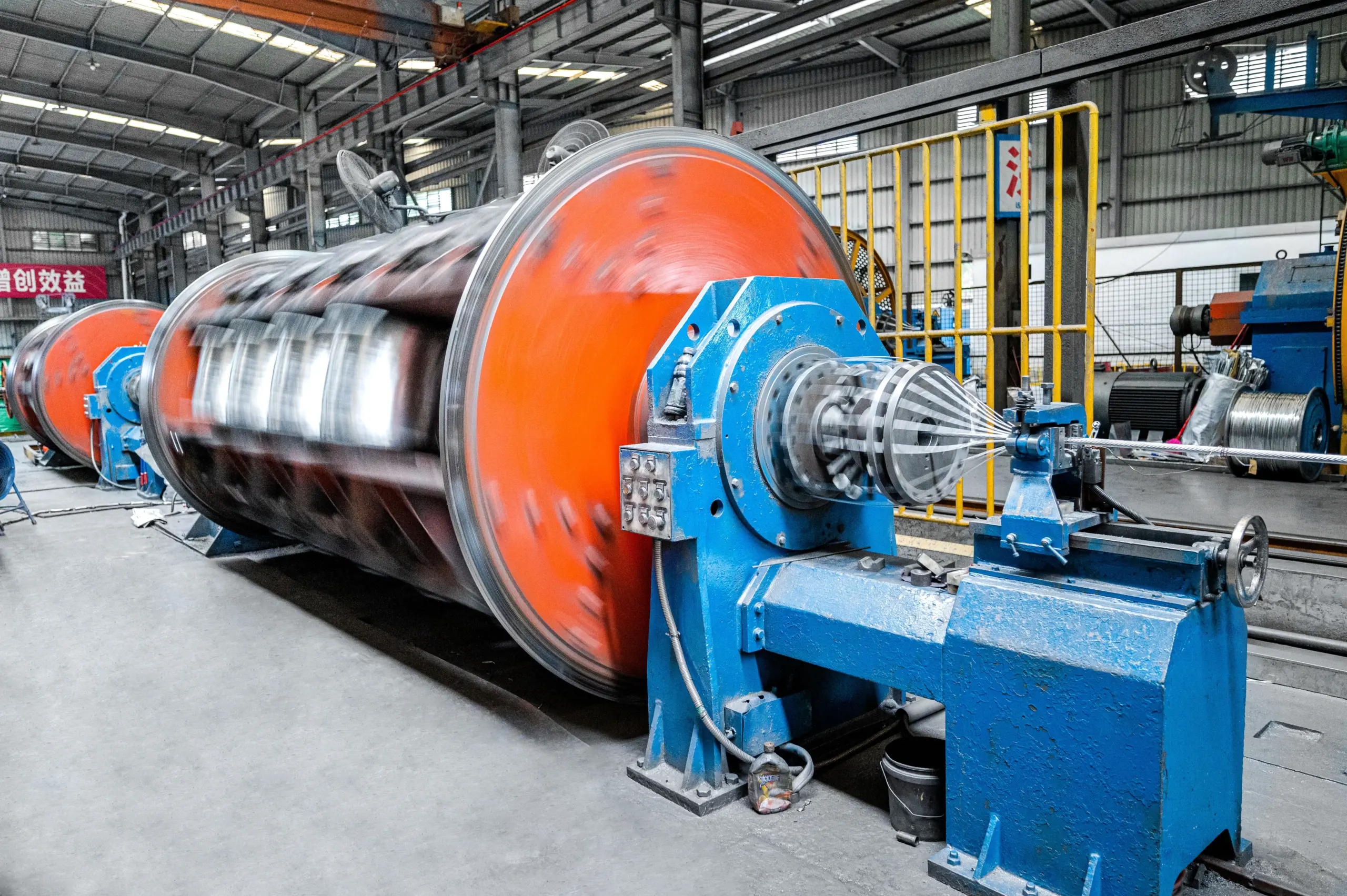
Vertically integrated cable production — from conductor stranding to insulation extrusion — under one roof, with no subcontracting on core processes.
25+ 長年の経験
Over two decades supplying overhead insulated cable to utility projects, rural electrification programs, and urban grid upgrades worldwide.
IEC & BS Compliant
Full-range compliance with IEC 60502, IEC 61089, and BS 7870, supported by in-house testing and third-party certification documentation.
130+ 納入国
Active export records across Africa, Southeast Asia, 中東, and South America — with experience in local grid standards and documentation requirements.
Overhead Insulated Cable — Common Questions from Engineers & Procurement Teams
ABC (Aerial Bundled Cable) integrates multiple insulated conductors into a single self-supporting bundle. Unlike bare conductors, the XLPE insulation eliminates phase-to-phase and phase-to-ground contact faults caused by tree branches, wind sway, or accidental contact. Installation clearance requirements are significantly reduced, making ABC the preferred choice for urban distribution networks, forested routes, and last-mile connections where conventional bare lines would require frequent maintenance or right-of-way clearing.
Overhead insulated cable and underground (direct burial) cable are not interchangeable. Overhead cables are engineered for UV resistance, mechanical self-support, and aerial installation methods, while underground cables require armor, moisture barriers, and burial-grade jacket compounds. Using an overhead cable in a direct burial application — or vice versa — will result in premature insulation degradation and does not meet IEC installation standards. Confirm the installation environment before specifying the cable type.
The three conductor types serve distinct engineering priorities. ACSR (Aluminum Conductor Steel Reinforced) provides high tensile strength for long spans or mountainous terrain, using a steel core for mechanical support. AAAC (All Aluminum Alloy Conductor) offers comparable strength to ACSR without the steel core, making it the preferred choice for coastal and high-humidity environments where galvanic corrosion between dissimilar metals is a concern. AAC (All Aluminum Conductor) delivers the highest conductivity-to-weight ratio and is the most cost-effective option for short to medium spans in moderate loading conditions.
The 1 kV rating reflects the design scope of this product category: low-voltage (LV) aerial distribution — the final distribution stage from substation secondary winding to end-user connection points. Medium-voltage (MV) or high-voltage (HV) aerial cables require substantially different insulation thickness, conductor construction, and testing protocols under separate IEC standards (e.g., IEC 60502-2 for MV). If your project involves voltages above 1 kV, contact the engineering team to discuss the appropriate product category.
Core selection depends on the distribution system configuration. A 2-core ABC bundle is typically used for single-phase service drops or two-wire secondary distribution. A 4-core ABC bundle suits three-phase + neutral LV distribution, covering the majority of urban and rural grid extension applications. In some configurations, a separate bare concentric neutral messenger wire is included; confirm with the project engineer whether a 4-core bundle or a 3-core + messenger arrangement is specified in your local grid standard.
はい. Standard production covers the cross-sections and core counts listed in the specification table above. For non-standard cross-sections, alternate insulation colors (for phase identification per local grid codes), sequential footage or meter marking, custom drum lengths, or OEM print on the jacket, submit the project specification sheet or marking requirements through the inquiry form. The engineering team will confirm feasibility and lead time based on the specific configuration.


