





How Many Volts Are in the Power Lines?
Electricity powers nearly every aspect of our lives, yet many people are unclear about how power gets from a power plant to their homes or workplaces. One of the most common questions I get as an industry professional is, “How many volts are in power lines?” It’s a great question. الآن, let’s break it down step by step.
How Electricity Flows Through the Grid
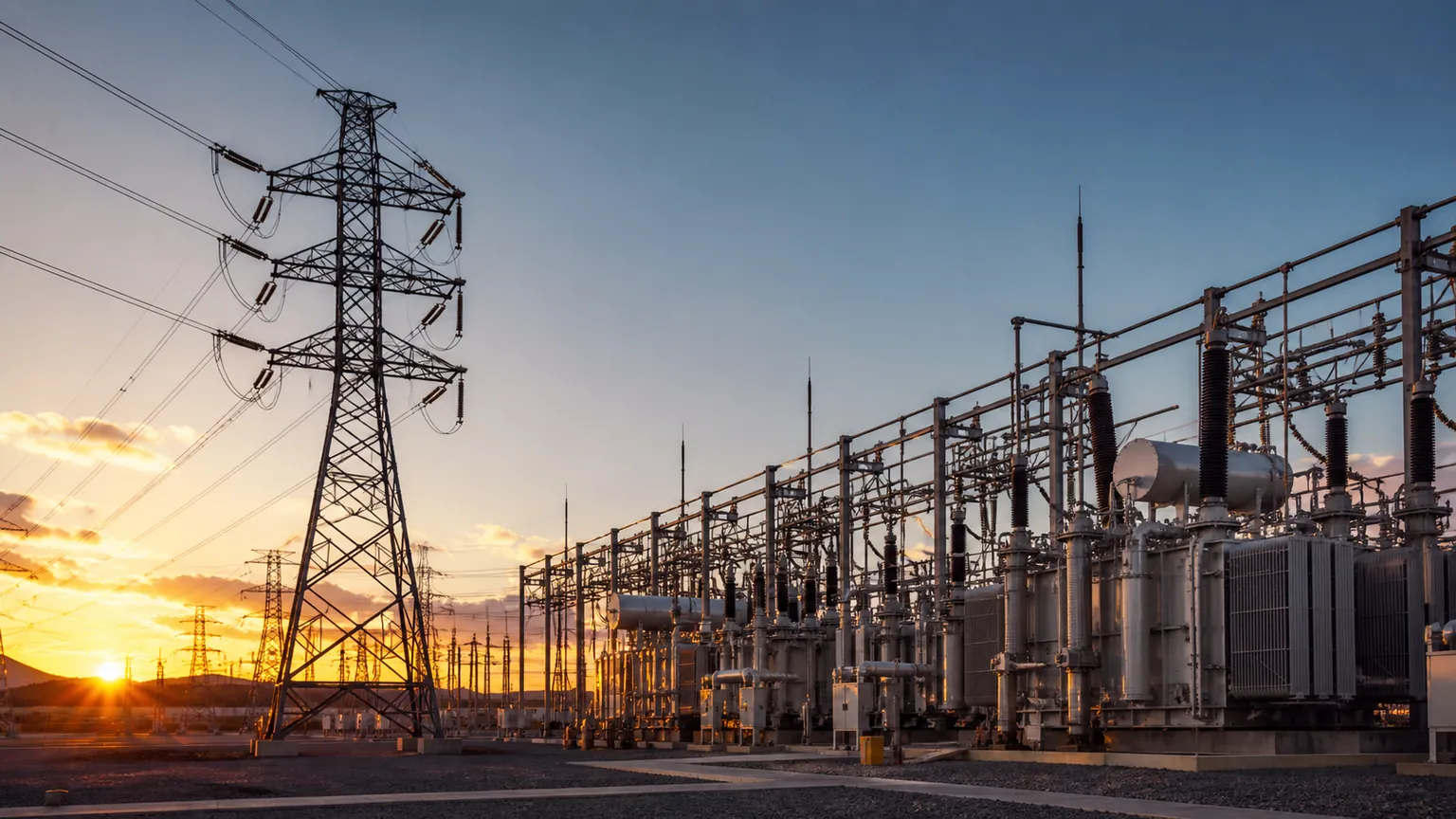
Electricity travels through a multi-stage process from power plants to homes and businesses. Voltage is progressively increased for long-distance transmission, then reduced step by step for safe local distribution and end-user consumption.
- Power Generation: Electricity is generated at power plants, typically at 11 kV–33 kV.
- Step-Up Transformation: Transformers at the generation site increase the voltage to 110 kV–765 kV for efficient long-distance transmission.
- Long-Distance Transmission: High-voltage transmission lines transport electricity over long distances, minimizing resistive energy losses.
- Voltage Step-Down at Substations: Substations lower the voltage to a medium range (4 kV–35 kV) for regional distribution.
- Regional and Local Distribution: Medium-voltage distribution lines deliver power to neighborhoods, المرافق الصناعية, and commercial zones.
- Final Step-Down for End Users: Local transformers reduce the voltage to 120/240 V (North America) أو 230 V (Europe and other regions) for safe residential and commercial use.
Voltage Levels Comparison Table
The table below summarizes the primary voltage categories and their applications in power distribution networks.
| Power Stage | Typical Voltage Range | Purpose |
| Generation (Power Plants) | 11–25 kV | Easier for generators to produce at lower voltages |
| High-Voltage Transmission | 110–765 kV | Long-distance transmission, minimizes power loss |
| Sub-Transmission | 33–69 kV | Regional distribution to cities/towns |
| Primary Distribution | 4–25 kV | Power delivery within communities |
| Secondary Distribution | 120/240V (North America) 230V (Europe/Asia) | Safe voltage for homes, offices, and small businesses |
What Are the Main Voltage Levels of Power Lines
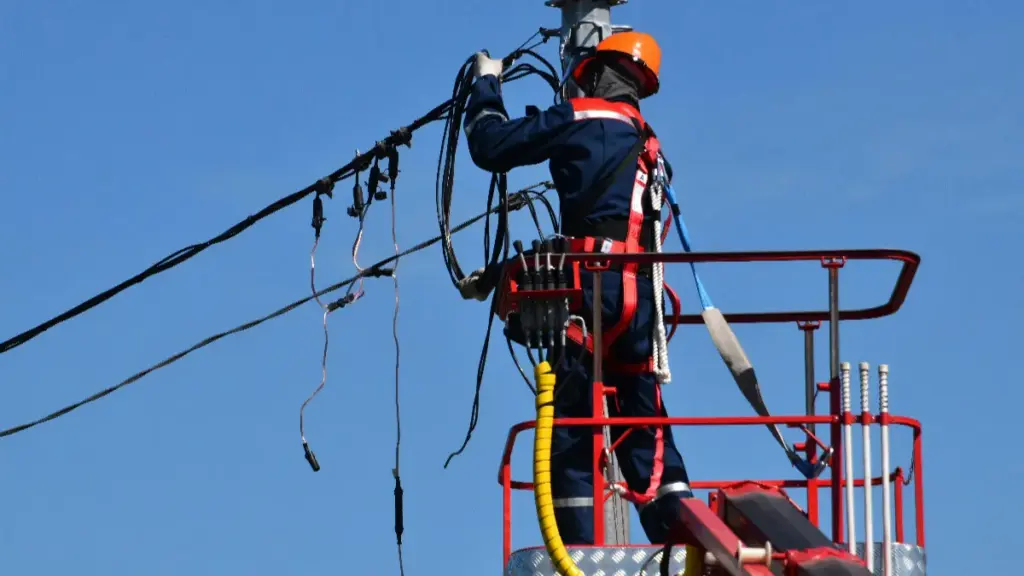
Power lines can be categorized by their function in the electrical grid:
خطوط النقل
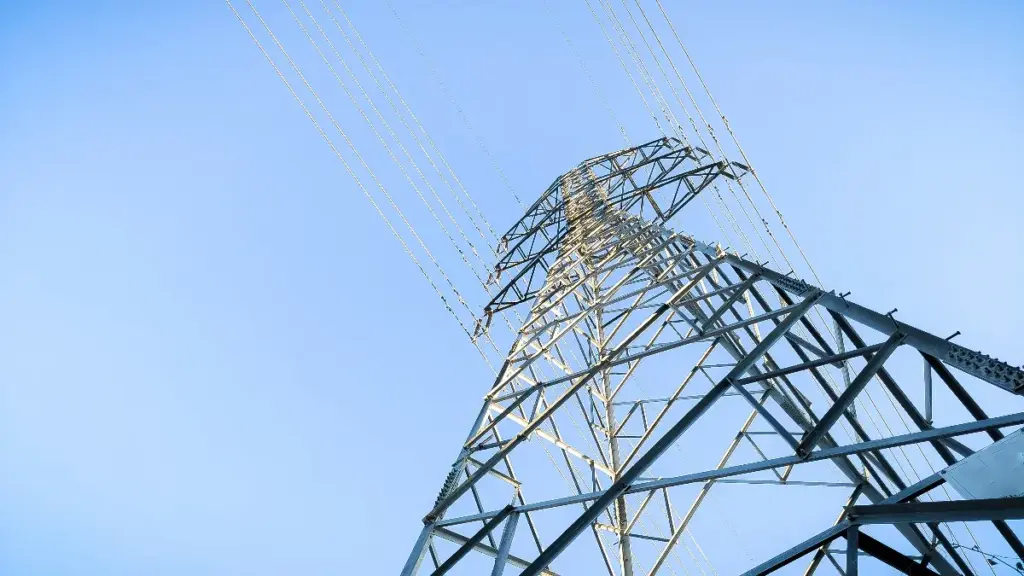
These are high-voltage lines responsible for carrying electricity over long distances. Transmission voltage levels typically range from 110 kV to as high as 765 كيلو فولت, depending on the power system design. Extra-high-voltage (EHV) and ultra-high-voltage (UHV) lines are essential for minimizing energy loss when moving electricity across countries or between regions.
خطوط التوزيع
Distribution lines operate at medium voltages (4 كيلو فولت ل 35 كيلو فولت) and deliver power from substations to urban or rural neighborhoods, المرافق الصناعية, and commercial zones. Unlike transmission lines, these lines often have more visible utility poles and shorter spans between them.
Service Drops (Service Lines)
Service lines provide the final connection to consumers, stepping voltage down to safe household levels. على سبيل المثال, most homes in the U.S. receive 120/240 V split-phase service, while many countries use 230 V single-phase. These are the lowest voltage levels in the power delivery chain.
How Power Line Voltage Standards Vary Across Countries
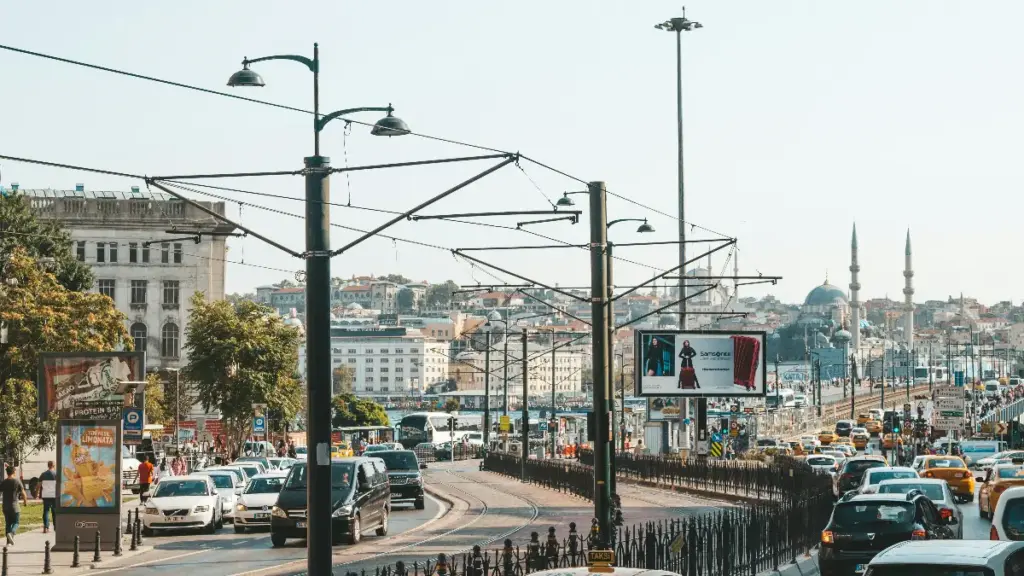
Voltage standards are not universal. Countries and regions have established different power supply voltages and frequencies based on historical development, grid infrastructure, and safety considerations. Here is a summary about voltage standards in different countries:
| منطقة / دولة | Residential Voltage | Frequency | Transmission Voltage Range | ملحوظات |
| North America | 120/240 V | 60 Hz | 115 kV – 765 كيلو فولت | Standard split-phase service in homes |
| أوروبا | 230 V | 50 Hz | 220 kV – 400 كيلو فولت | Most countries follow EU standards |
| Japan | 100 V | 50/60 Hz | 66 kV – 275 كيلو فولت | Frequency varies by region (east/west Japan) |
| الصين | 220 V | 50 Hz | 110 kV – 1,000 kV UHV | Ultra-high voltage grids for long-distance transmission |
| الشرق الأوسط & أفريقيا | 220–240 V | 50 Hz | 132 kV – 400 كيلو فولت | Many countries follow European voltage standards |
| Australia | 230 V | 50 Hz | 110 kV – 500 كيلو فولت | Residential voltage aligns with European standard |
Why Are High Voltage Lines Used in Transmission
High-voltage transmission reduces energy loss and improves efficiency by decreasing the current for a given power transfer. The underlying physics is based on Ohm’s Law and the power loss formula in conductors.
Power Loss in Conductors:
When electricity flows through a conductor, some energy is lost as heat due to the conductor’s resistance. This loss is given by:
Ploss =I2R
Where:
Ploss = power loss (watts)
I2 = current (amperes)
R = resistance of the conductor (ohms)
Relationship Between Voltage and Current:
Electrical power delivered is:
P = V×I
Rearranging for current:
I = P/V
This shows that increasing voltage (V) reduces the current (I) for the same transmitted power (P).
Impact on Transmission Efficiency:
Substituting I=P/V into the power loss formula:
Ploss = (P/V )2R =P2R/V2
This clearly demonstrates that doubling the transmission voltage reduces resistive power loss by a factor of four, making high-voltage lines much more efficient for long-distance transmission.
Other Benefits of High Voltage:
- Reduced Conductor Size: Lower current means thinner, lighter, and cheaper conductors can be used.
- Improved Capacity: High-voltage lines can carry more power over the same infrastructure.
- Integration of Large-Scale Energy: Remote renewable sources like wind farms and hydroelectric plants can feed into the grid efficiently.
الأفكار النهائية
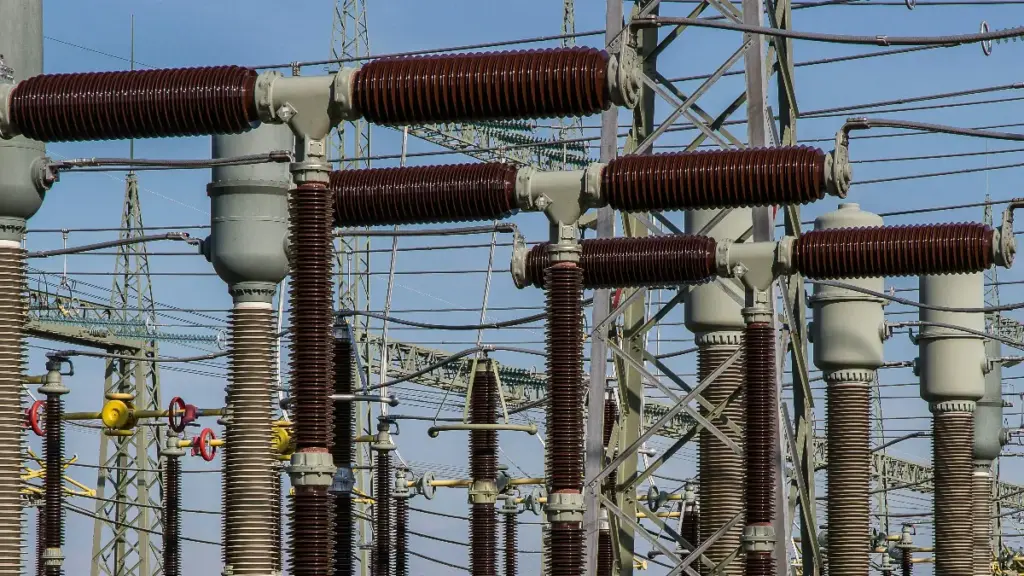
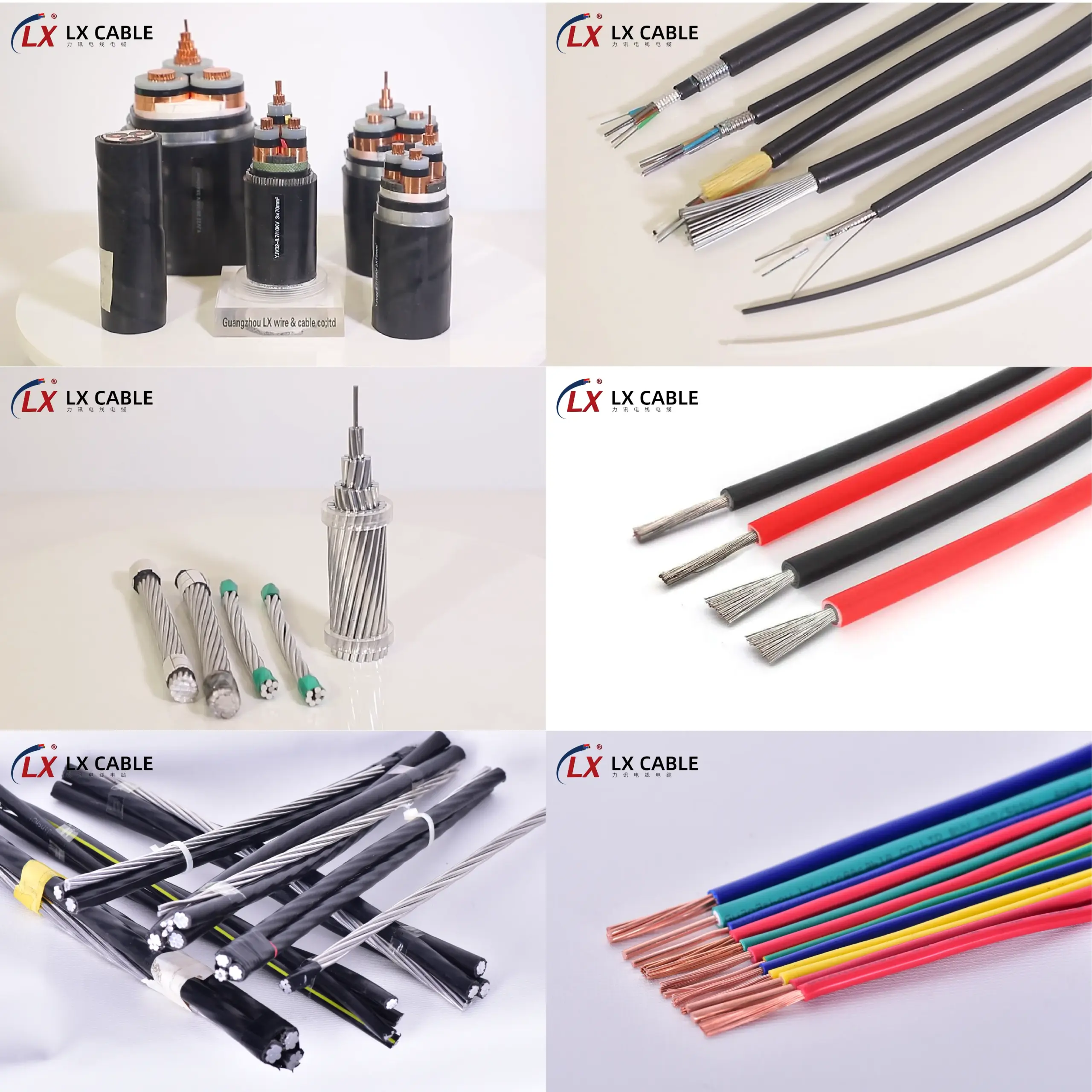
Efficient and safe electricity delivery relies on high-quality cables that can handle varying voltage levels across transmission and distribution networks. سلك وكابل LX, established in the 1990s in China, brings over 20 years of experience in producing power cables, الكابلات العلوية, electrical wires, photovoltaic cables, and optical fiber cables. With OEM capabilities and a focus on reliability, our products support projects of all scales, from local distribution to international infrastructure. Trusted by clients in over 150 بلدان, LX Wire and Cable provides solutions designed for performance, متانة, and compliance with global standards—helping your energy systems operate smoothly and efficiently.


