
Power cable pricing is influenced by far more than the price of copper. For project owners, EPC contractors, distributors, and utility companies, the final procurement cost depends on cable materials, voltage level, conductor size, manufacturing standards, logistics, supplier capabilities, and even communication efficiency during the purchasing process.
Many buyers focus only on the unit price per meter, but the lowest quotation often results in higher total project costs because of delayed delivery, inconsistent quality, failed inspections, or sourcing accessories from multiple suppliers.
This guide explains the key factors that determine power cable procurement costs and shares practical ways to reduce your overall investment without sacrificing reliability.
What Impacts Your Power Cable Procurement Costs?
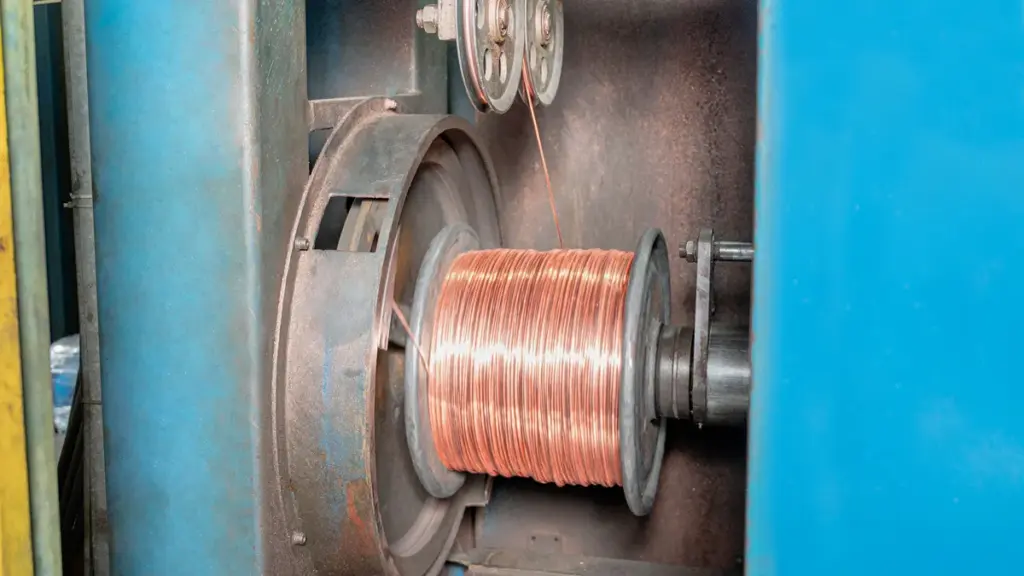
Power cable costs depend on raw material volatility, precise technical specifications, compliance overhead, production lead times, and how you structure your supplier contracts.
Power cable procurement is a combination of raw material costs, engineering requirements, manufacturing complexity, compliance, logistics, and supplier services. The following table summarizes the major cost drivers.
| Cost Factor | Impact on Price | Typical Influence |
|---|---|---|
| Conductor Material | Very High | Copper vs. aluminum |
| Voltage Level | Very High | Higher insulation and testing requirements |
| Cable Size | Высокий | More conductor material and insulation |
| Insulation & Jacket | Medium | XLPE, PVC, LSZH, EPR, PE, etc. |
| Standards & Certification | Medium | IEC, BS, ASTM, UL, SANS and more |
| Manufacturing Process | Medium | Production precision and quality control |
| Packaging & Logistics | Medium | Drum size, shipping method, destination |
| Order Quantity | Medium | Economies of scale |
| Lead Time | Medium | Urgent production usually costs more |
| Supplier Service | Hidden Value | Engineering support and one-stop supply |
Conductor Material and Metal Market Volatility

Conductor metals dictate up to 70% of power cable costs. Mastering procurement requires indexing, lifecycle cost analysis, and strategic hedging instead of chasing the lowest spot price.
Cost Structure and Conductor Material Choice
| Материал | Преимущества | Considerations |
|---|---|---|
| Copper | Higher conductivity, smaller cable size, excellent durability | Higher material cost |
| Алюминий | Lower weight, lower material cost, suitable for long transmission lines | Larger conductor size required for equivalent current |
Conductor metals account for 30 to 70 percent of total power cable costs. This massive share heavily influences final procurement budgets and dictates project economics.
- Copper dominance: Holds the majority share of market demand due to its high conductivity and suitability for space-constrained, high-stress installations.
- Aluminum alternatives: Serves as a lighter, lower-cost option frequently selected for overhead lines and weight-sensitive applications, despite requiring a larger cross-section.
- Lifecycle costing: Procurement teams rely on total lifecycle cost analysis—factoring in installation, accessories, and maintenance—rather than just the baseline metal price per meter.
Structural Drivers of Metal Market Volatility
Global metal markets face structural shifts that constantly disrupt baseline pricing. Buyers must navigate tightening supply chains and heavy global demand.
- Copper demand: Aggressive electrification, grid expansion, and massive data center construction place continuous upward pressure on prices.
- Supply constraints: Limited new mining supply and geographic concentration create persistent tightness, elevating the baseline price floors for copper.
- Aluminum sensitivity: Pricing reacts strongly to energy costs, bauxite availability, and regional smelting constraints.
- Risk shifting: Transitioning cable designs from copper to aluminum shifts market risk rather than eliminating it, forcing buyers to monitor energy-driven volatility.
Pricing Pass-Through and Metal Adders
Cable manufacturers structure their quotes to protect their margins from commodity swings. They divide the final price into fixed and floating components.
- Base vs. dynamic pricing: Suppliers separate cable pricing into a fixed base fabrication charge and a dynamic metal adder.
- Index tracking: Metal adders index directly to public benchmarks like the London Metal Exchange (LME), passing daily or weekly raw material fluctuations directly to buyers.
- Exposure levels: High-copper content products, such as large low-voltage (LV) and medium-voltage (MV) power cables, exhibit the highest exposure to index-driven price swings.
- Cost breakdown models: Understanding internal cost structures helps buyers distinguish genuine metal cost increases from expanded supplier margins.
Procurement Risk Management Strategies
Procurement teams deploy specific tactics to defend budgets against erratic metal markets and secure inventory before prices spike.
- Commodity hedging: Buyers execute commodity-linked pricing mechanisms and futures hedging to lock in rates and reduce procurement variance.
- VMI and early-buy programs: Vendor-managed inventory allows organizations to secure pre-priced metal allocations ahead of scheduled production.
- SKU consolidation: Standardizing technical specifications aggregates purchasing volume to improve leverage during high-volatility periods.
- AI demand forecasting: Advanced tools analyze material requirement curves to identify optimal purchase timing and buffer against projected shortages.
One-Stop Power Cable Solutions for Projects
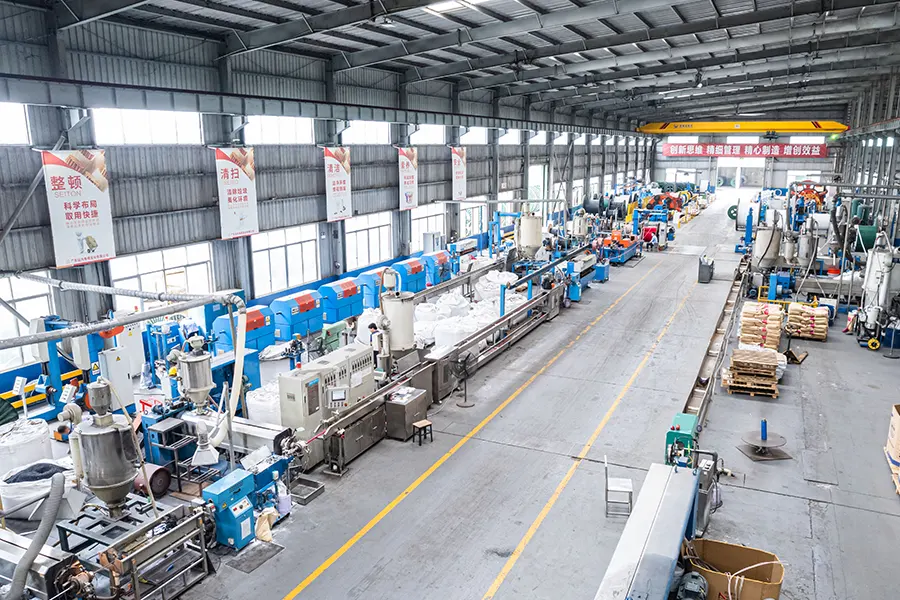
Insulation, Sheath and Fire Performance Requirements

Insulation and sheath choices directly dictate a cable’s fire performance, compliance risk, and total cost of ownership. Proper specification prevents catastrophic asset loss during emergencies.
Functional Roles of Insulation and Sheath Materials
A power cable relies on a combined system of insulation and an outer sheath to meet electrical, mechanical, and fire performance targets. The insulation delivers the primary dielectric protection. It dictates the cable’s long-term thermal endurance and determines if the circuit will maintain integrity during a fire.
Common insulation materials include:
- PVC and XLPE: The standard baseline for basic power distribution.
- Silicone Rubber: Maintains insulation properties at extremely high temperatures.
- Mica Tapes: Wrapped around conductors to provide direct circuit integrity under flame exposure.
The outer sheath acts as the frontline defense against the operating environment. It shields the insulated cores from mechanical impact, UV exposure, moisture, and chemical attacks. Upgrading the sheath material, such as moving from standard PVC to LSZH, directly controls the cable’s flame spread and smoke generation behavior.
Core Fire Performance Categories
Procurement specifications usually break fire requirements into three distinct functional categories:
- Flame Retardant: Restricts fire from propagating along the cable length when exposed to a direct flame.
- Low Smoke Zero Halogen (LSZH): Minimizes smoke density and eliminates corrosive acid gas release. This protects human occupants during evacuation and prevents acidic damage to sensitive electronic equipment.
- Fire-Resistant: Maintains continuous electrical functionality for a specified time under fire conditions. These cables support critical life safety systems, fire pumps, and emergency lighting.
Key International Standards and Testing Regimes
Regulatory compliance relies heavily on established global frameworks. Buyers commonly specify IEC 60332 for flame propagation limits, EN 50575 for European construction product classifications, and NEC or UL guidelines for North American installations. Manufacturers must demonstrate compliance through structured testing regimes.
- Routine Tests: Factory checks performed on every batch to verify fundamental metrics like conductor resistance and voltage withstand capability.
- Sampling Tests: Periodic evaluations of mechanical properties and thermal aging to identify any drift in compound quality.
- Type Tests: Comprehensive evaluations of full electrical, mechanical, and fire performance. Manufacturers run these tests when they introduce new cable designs or alter material processes.
Procurement Considerations and Cost Impact
Material selection dictates procurement pricing. High-performance compounds like LSZH and silicone systems carry a strict premium over standard PVC. Buyers pay more for higher temperature ratings, like 90°C XLPE, but these materials significantly improve short-circuit withstand capabilities and behavior under thermal shock.
Physical installation arrangements also alter cost. Cable routing, bundling, and installation density change fire spread dynamics. Procurement specifications must accurately reflect the intended physical arrangements so manufacturers can supply a sheath formulated to meet the correct flame test regimes.
Smart procurement teams evaluate the total cost of ownership. The upfront investment in high-grade fire performance cables pays off by drastically reducing the risk of catastrophic asset loss and facility downtime during an emergency.
Voltage Level, Cable Design and Standards Compliance
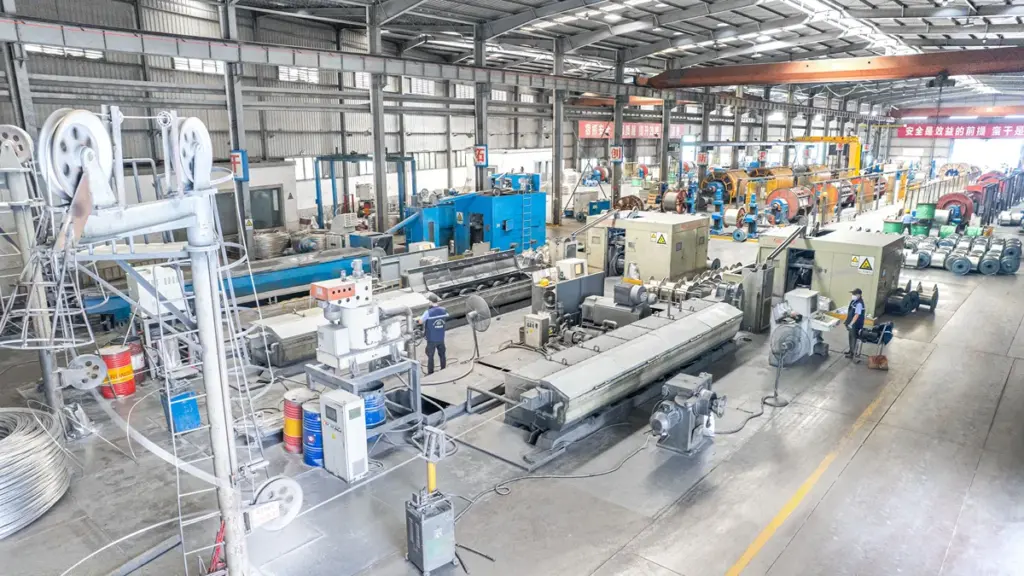
Procurement teams must balance voltage class, material science, and strict standards compliance to control upfront capital costs without compromising long-term transmission efficiency.
Voltage Classes and System Cost Dynamics
Power cables operate across distinct voltage tiers. Low-voltage cables (up to 3 kV) have relatively simple constructions, while medium-voltage cables (3.6 kV to 36 kV) require additional insulation systems, semiconductive screens, metallic shielding, and more rigorous testing. Higher-voltage transmission cables, such as 66 kV and above. Power cable manufacturers must apply thicker insulation profiles, incorporate complex semiconductive screens, and supply advanced terminations to handle the increased electrical stress.
You must weigh this heavy upfront cost against the long-term operational math. System planners leverage a critical physical trade-off to optimize lifecycle spending:
- Higher transmission efficiency: Pushing system voltage higher drops the required current to deliver the same power load.
- Reduced conductor mass: Lower current allows you to specify smaller conductor cross-sections, cutting your reliance on expensive copper or aluminum.
- Lifecycle optimization: The steep cost of HV accessories pays off on long transmission runs through significantly reduced resistive energy losses.
Material Selection in Cable Construction
Conductor metal represents the single largest variable in your cable budget. You must align the base material and the surrounding polymer systems exactly with the physical constraints of your installation environment.
- Conductor metals: Copper delivers maximum conductivity in space-constrained urban ducts or dense switchgear. Aluminum requires a larger cross-section but dramatically lowers costs on long-distance distribution and overhead runs.
- Insulation technologies: Cross-linked polyethylene (XLPE) acts as the industry default for continuous high-temperature stability up to 90°C. Ethylene-propylene rubber (EPR) offers an alternative when installation crews need targeted flexibility or specific moisture resistance.
- Jackets and armor: Procurement must match external stressors with physical protection. This means specifying steel tape or wire armor for direct burial, UV-resistant jackets for outdoor exposure, and Low Smoke Zero Halogen (LSZH) compounds for indoor life-safety compliance.
Engineering Criteria and Installation Limits
A cable might look perfect on a spreadsheet, but it fails if the physical dimensions clash with site realities. Electrical engineers dictate the minimum baseline by sizing cable cross-sections to hit target ampacity, stay within strict voltage drop thresholds, and survive short-circuit thermal events.
Once the electrical math works, installation mechanics take over. You have to manage strict physical limits to prevent catastrophic material damage during the pull.
- Bending radii: Thick MV and HV cables stiffen considerably. Forcing a cable past its minimum bending radius destroys the internal shielding and compromises the insulation.
- Pulling tensions: Heavy cables require exact tension and sidewall pressure calculations to avoid stretching the conductor or crushing the protective jackets.
- Physical routing: The final outer cable diameter must physically fit inside your planned ducts, navigate existing manhole pathways, and terminate cleanly inside tight switchgear compartments.
Regulatory Frameworks and Testing Protocols
Compliance is not negotiable. Standards dictate the exact material thickness, test voltages, and safety profiles required for the cable to legally enter the grid. Sourcing compliant products limits your supplier pool but guarantees operational safety and avoids costly rework.
- International and regional codes: Projects must align with core standards based on location, relying on IEC 60840 and 62067 globally, or IEEE and ICEA frameworks in North American markets.
- Safety and environmental mandates: Facilities specify UL listings to ensure baseline fire safety and enforce RoHS compliance to eliminate hazardous substances from the polymer compounds.
- Validation testing: Suppliers prove system reliability through documented factory type tests for new designs, routine length testing on every drum shipped, and post-installation field acceptance checks to verify integrity before energization.
Order Volume, Drum Length and Delivery Terms
Mastering order volume, strategic drum lengths, and precise delivery terms controls total landed cost, prevents site delays, and eliminates surprise logistics fees in power cable procurement.
Impact of Order Volume on Pricing and Logistics
Ordering in bulk is the standard method to lower unit cable prices. You spread manufacturing setup costs across more meters. But volume buying alters your logistics profile. Large orders often trigger full-truckload requirements or demand specialized handling equipment, erasing the initial material discount if you fail to account for transport variables.
To optimize volume strategy, procurement teams must align purchases with physical and financial constraints:
- Inventory vs. Discount: Balance supplier volume discounts directly against your internal inventory carrying costs and physical storage space limitations.
- Premium Avoidance: Centralize advance stocking orders to dodge emergency rush premiums and priority-production surcharges.
- Schedule Certainty: Commit to early volumes for constrained or long-lead materials to lock in supply availability before market bottlenecks occur.
Strategic Selection of Drum Length
Treat drum length as a critical logistics and installation constraint, not a casual packaging choice. The usable length wound on a reel dictates how your team transports, handles, and installs the cable on-site. Procurement must match drum lengths directly to maximum allowable bend radii, installation pull limits, and site offloading capabilities.
The physical trade-offs between drum sizes directly impact project execution:
- Longer Drum Lengths: You reduce the total drum count, which minimizes splice points. The trade-off is heavier freight weight, massive drum dimensions, and complex transport needs.
- Shorter Drum Lengths: You gain better site maneuverability and easier offloading. The downside includes a higher handling count, increased per-unit packaging costs, and labor-intensive splice work.
Defining Delivery Terms for Total Landed Cost
Delivery terms dictate exactly where risk transfers and who pays for transport, shaping your total landed cost. Freight charges never remain static. They fluctuate based on shipping distance, freight class, and the specific delivery location profile.
Standard commercial deliveries cost less than residential or limited-access drop-offs. When a site requires specialized equipment like liftgates or strict appointment scheduling, carriers add heavy accessorial fees. You must force suppliers to quote on a strict landed-cost basis. This practice prevents surprise charges from creeping in during material receipt and provides an accurate comparison between competing bids.
RFQ Formulation and Procurement Best Practices
A tight Request for Quotation (RFQ) stops quote revisions and blocks hidden costs before a contract is signed. Never finalize procurement without confirming actual installation lengths. Guessing leads to excess drum waste or unnecessary field splices.
To lock down predictable pricing, write these specific requirements into your initial RFQ:
- Quantities and Lengths: Specify exact cable quantities and preferred reel lengths so suppliers quote accurately the first time.
- Drum Lifecycle: Clarify if the quoted drums are new or reconditioned. Explicitly define expectations for drum return, exchange, or site disposal.
- Transport Packaging: Define all blocking, bracing, and labeling requirements upfront to guarantee safe transport and fast site identification.
Packaging, Logistics and Total Delivered Cost
Packaging and logistics can add 30% to base cable prices. Managing Total Delivered Cost (TDC) means right-sizing packaging, consolidating shipments, and minimizing transit damage to protect project budgets.
Understanding Total Delivered Cost (TDC)
Buyers often fixate on the raw price per meter of a cable. Total Delivered Cost (TDC) breaks that habit by measuring the actual value delivered to the project site. Power cables are heavy, bulky, and surprisingly fragile. These physical traits make them highly sensitive to transport variables, often adding 10% to 30% on top of the base product cost.
To calculate an accurate TDC, procurement teams must look beyond the ex-works price. You have to factor in every logistical step:
- Ex-works cable price: The baseline factory cost.
- Packaging and handling: Drums, reels, pallets, and loading labor.
- Transport and warehousing: Inbound freight, port fees, storage space, and inventory financing.
- Risk and administration: Damage rework, insurance, and supply chain management overhead.
Packaging Formats and Cost Drivers
Smart procurement teams match packaging formats directly to specific installation methods. Long continuous runs require large wooden or steel drums, while standard building work relies on small palletized coils. Every packaging choice carries direct cost components that hit your budget.
Packaging expenses stack up quickly through several key drivers:
- Raw materials: Timber, steel, pallets, and structural dunnage.
- Labor and protection: Winding labor, shrink wrap, and weatherproofing for transit.
- Specialized engineering: Custom bracing and lagging for export shipping.
Drum dimensions also dictate your logistics limits. Over-engineered drums waste shipping container space and raise freight costs. Under-engineered drums risk collapse and ruin the cable. The right drum size maximizes cube utilization, respects warehouse stacking limits, and matches the lifting equipment available on site.
Direct and Indirect Logistics Costs
Logistics costs split into direct transport charges and hidden indirect burdens. Direct transport involves line-haul freight, port handling, last-mile site delivery, and customs duties. Heavy drums frequently trigger out-of-gauge transport permits and require specialized escort vehicles.
Warehousing expenses scale up based on the physical demands of the product. Storing power cables requires heavy-duty material handling equipment, reinforced racking, and specialized inventory rotation protocols. Beyond the physical space, indirect logistics burdens quietly drain capital.
- Inventory carrying costs: Financing high-value copper and aluminum stock.
- Safety stock financing: Tying up cash to buffer against project delays.
- Administrative overhead: Paying supply chain teams to manage complex movements.
Strategies to Optimize Packaging and Logistics
Procurement teams control costs by collaborating early with suppliers to right-size drum dimensions. This prevents over-engineered packaging while ensuring the cable survives transit. For recurring utility frameworks, implementing returnable steel drum pools slashes waste and systematically lowers net packaging costs.
Delivery timing and carrier selection offer major optimization levers:
- Order consolidation: Group shipments to secure lower freight rates, balancing deliveries with site storage capacity to prevent project congestion.
- Specialized 3PL partnerships: Route high-risk shipments through logistics providers experienced in heavy-industrial transport.
- Performance-based contracts: Enforce on-time delivery incentives and damage penalties to mitigate transit risks.
Measuring and Managing TDC Performance
You cannot manage what you do not measure. Supply chain leaders track specific Key Performance Indicators (KPIs) to keep logistics costs transparent and accountable. Measuring performance allows teams to adjust packaging robustness and delivery sequencing in real time.
Top procurement teams actively monitor these metrics:
- TDC per installed meter: The true final cost of the cable in the ground.
- Freight cost per ton-km: Efficiency of lane routing and carrier rates.
- Average inventory days of supply: Cash tied up in resting stock.
- Damage rates and OTIF: On-time in-full deliveries versus repair incident frequency.
Maintaining low costs requires continuous feedback. Cross-functional reviews bring engineering, logistics, and procurement to the same table. This alignment ensures packaging specifications evolve based on actual project outcomes and historical incident data, removing guesswork from future contracts.
How to Control Cable Procurement Costs Without Sacrificing Safety
Reducing cable spend safely requires eliminating unnecessary features, leveraging volume through centralized buying, and strictly enforcing engineering approvals for material substitutions.
| Cost Control Lever | Cost Effect | Safety Control |
|---|---|---|
| Spend analysis and BOM review | Exposes avoidable spend and duplicate items | Keeps changes tied to engineering-approved requirements |
| Specification rationalization | Avoids paying for unnecessary features | Maintains required gauge, insulation, and shielding |
| Bulk and centralized purchasing | Lowers unit price and emergency premiums | Enforces strict quality and compliance standards |
Ready to Work With LX Cable?
At LX-кабель, we understand that successful cable procurement is about much more than manufacturing quality cables. It is about helping customers complete projects on time, within budget, and with fewer sourcing challenges.
As a one-stop power cable solutions provider, we supply a wide range of products, including:
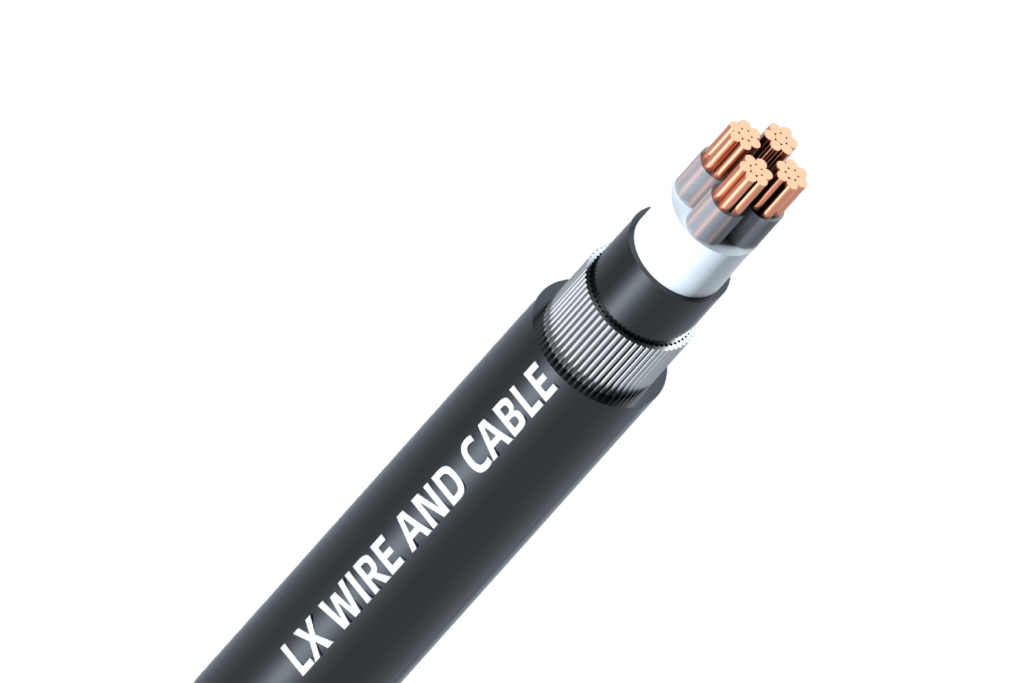
- Кабели питания низкого напряжения
- Силовые кабели среднего напряжения
- Воздушные жгуты кабелей (ABC)
- Воздушные проводники
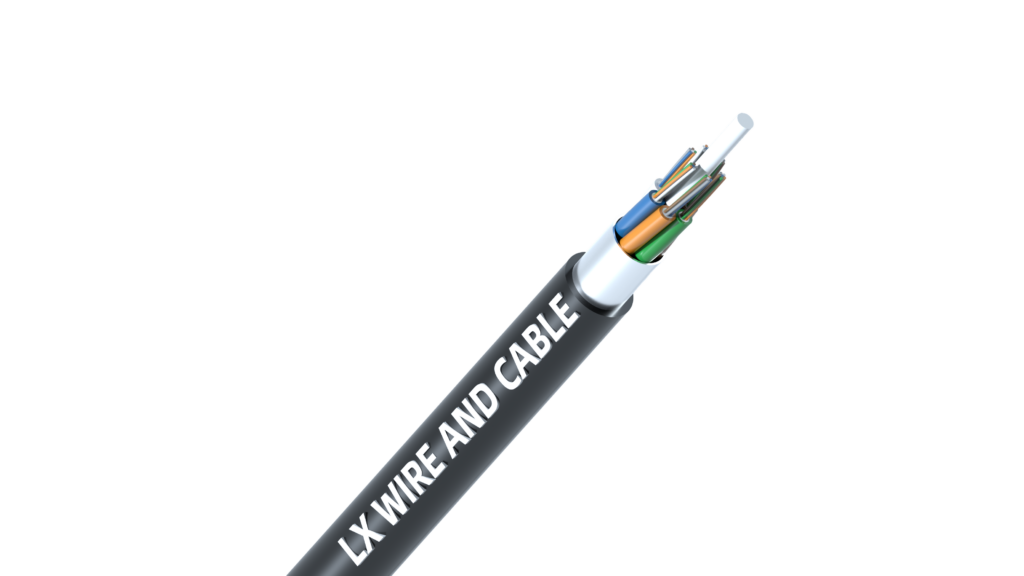
- Optical Fiber Cables
- ADSS and OPGW Cables
- Кабельные аксессуары
- Heat Shrink Joints and Terminations
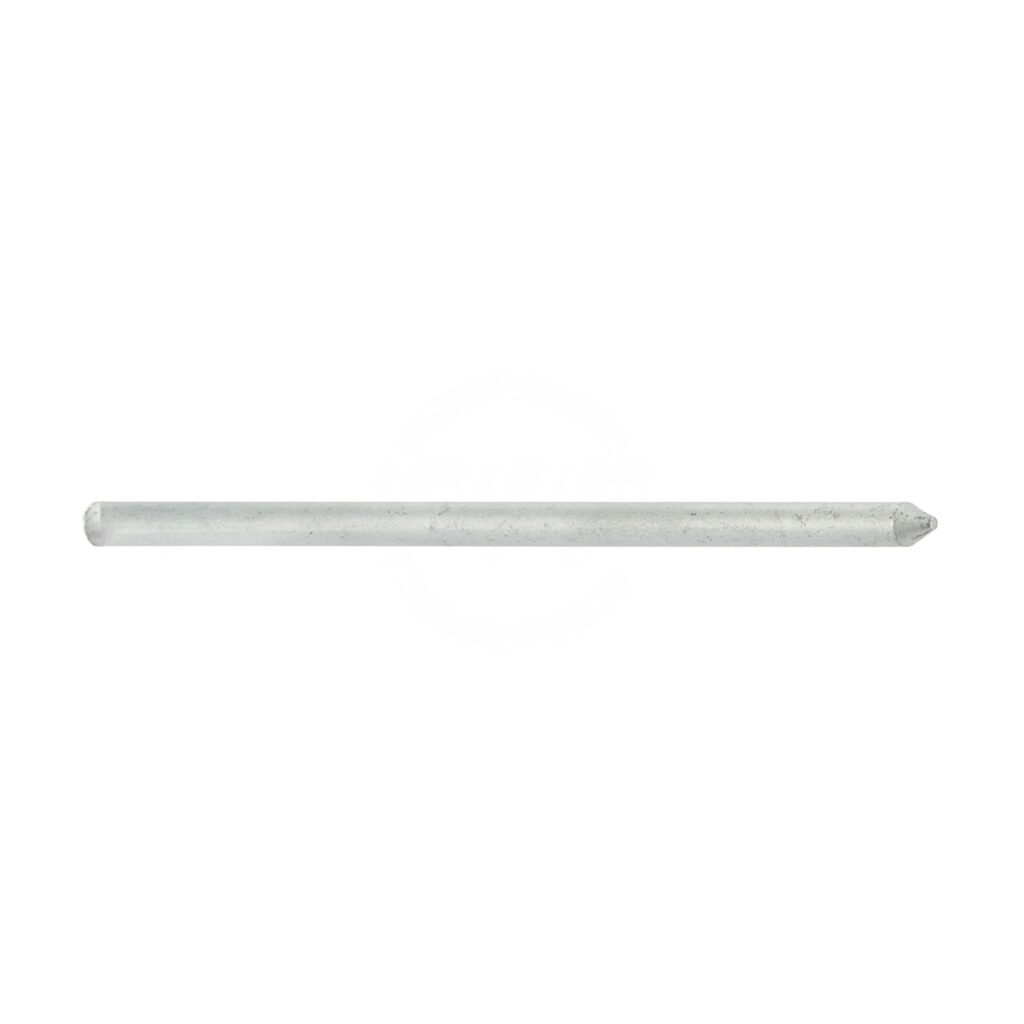
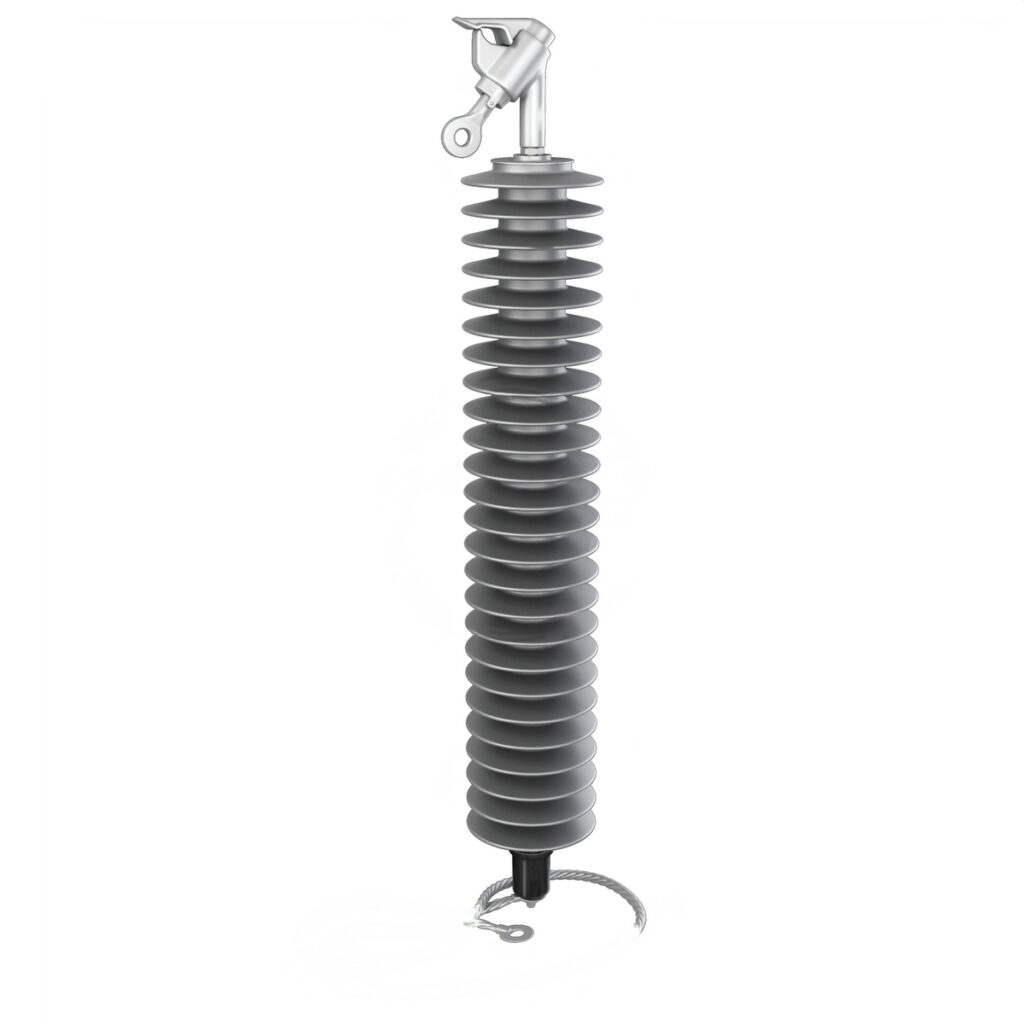
- Оборудование для столбовой линии
Instead of managing multiple suppliers, our customers benefit from a single procurement partner that supports product selection, technical consultation, documentation, quality control, packaging, and global logistics.
Whether you are supplying utility projects, industrial facilities, renewable energy installations, or power distribution networks, our engineering and export teams work closely with you to optimize specifications, control procurement costs, and ensure reliable delivery.
If you are planning your next power transmission or distribution project, contact LX Cable for a customized quotation and procurement solution tailored to your project requirements.
Frequently Asked Questions
What factors affect the cost of power cables?
The main factors include conductor material, voltage level, conductor size, insulation type, manufacturing standards, testing requirements, order quantity, logistics, and current metal prices. Project-specific specifications and supplier services also influence the final procurement cost.
Is copper always more expensive than aluminum for cables?
In most cases, yes. Copper has a higher market value and better electrical conductivity than aluminum. However, aluminum may provide a lower total project cost for long-distance transmission and overhead distribution because of its lighter weight and lower material cost.
How does cable size influence price per meter?
Larger conductor sizes require more raw materials, thicker insulation, larger cable drums, and higher transportation costs. As conductor cross-sectional area increases, the price per meter generally rises accordingly.
Do standards and certifications increase cable costs?
Yes. Producing cables that comply with standards such as IEC, BS, ASTM, or other national specifications requires stricter manufacturing processes, higher-quality raw materials, comprehensive testing, and documented quality management. Although this increases production costs, it also improves product reliability and project compliance.
How do order quantity, drum length and delivery terms affect cable price per meter?
Buying in bulk, accepting standard drum lengths, and allowing flexible delivery lead times secure the lowest per-meter price. If you request small quantities or exact cut lengths, the supplier has to cut multiple drums. That adds waste and handling fees directly to your bill. Urgent delivery requirements also drive prices up by disrupting production batch efficiency and forcing expedited shipping.






 Russian
  English
  French
  Afrikaans
  Portuguese
  Hindi
Hindi  Italian
  Japanese
  Korean
  Spanish
  Arabic
  German
  Swahili