
Utility poles are one of the most important assets in overhead power distribution systems. They support conductors, transformers, insulators, communication cables, and other electrical equipment while keeping networks safe and reliable. However, not every project uses the same type of pole. Material selection directly affects service life, maintenance costs, installation efficiency, and long-term project performance.
Concrete poles may be ideal for coastal areas with severe corrosion, while steel poles perform better for high-load transmission structures. Wooden poles remain popular because of their low initial cost, and composite poles are becoming an attractive choice where lightweight installation and corrosion resistance are priorities.
This guide explains the major types of utility poles, compares their advantages and limitations, and helps engineers, contractors, EPC companies, and procurement teams select the right solution for different projects. You’ll also learn how complete utility pole systems—including cables, fittings, and accessories—can simplify procurement and reduce project risks.
What Are Utility Poles and Their Role in Power Distribution Networks
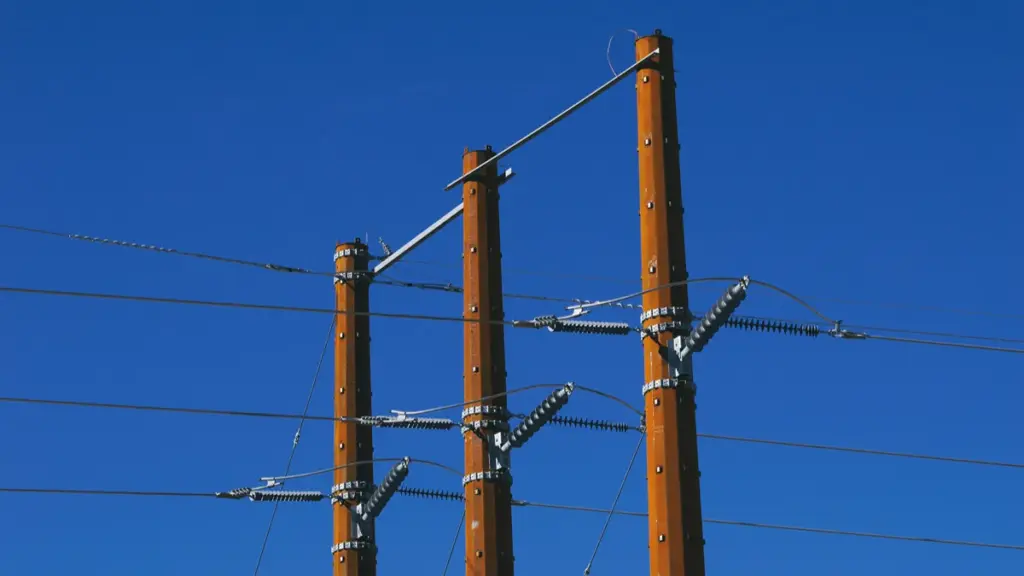
Utility poles form the physical backbone of the overhead power distribution network, creating a structural pathway to deliver electricity from substations to end-users.
Utility poles are vertical support structures used to carry overhead electrical distribution and transmission lines. Depending on the network design, they may also support street lighting, communication cables, transformers, switches, lightning arresters, and various distribution accessories.
Rather than simply holding wires above the ground, utility poles perform several essential functions:
- Support electrical conductors safely above roads and buildings
- Maintain required ground clearance
- Resist wind, ice, and mechanical loading
- Keep conductor spacing consistent
- Support distribution equipment
- Improve network reliability and safety
A complete overhead distribution system normally includes:
| Компонент | Функция |
|---|---|
| Utility Pole | Main supporting structure |
| Crossarms | Support conductors horizontally |
| Insulators | Electrically isolate conductors |
| Conductors | Transmit electrical power |
| Guy Wires | Improve structural stability |
| Pole Top Hardware | Secure equipment to the pole |
| Transformers | Voltage conversion |
| Lightning Arresters | Protect equipment from surges |
Different Types of Utility Poles Explained
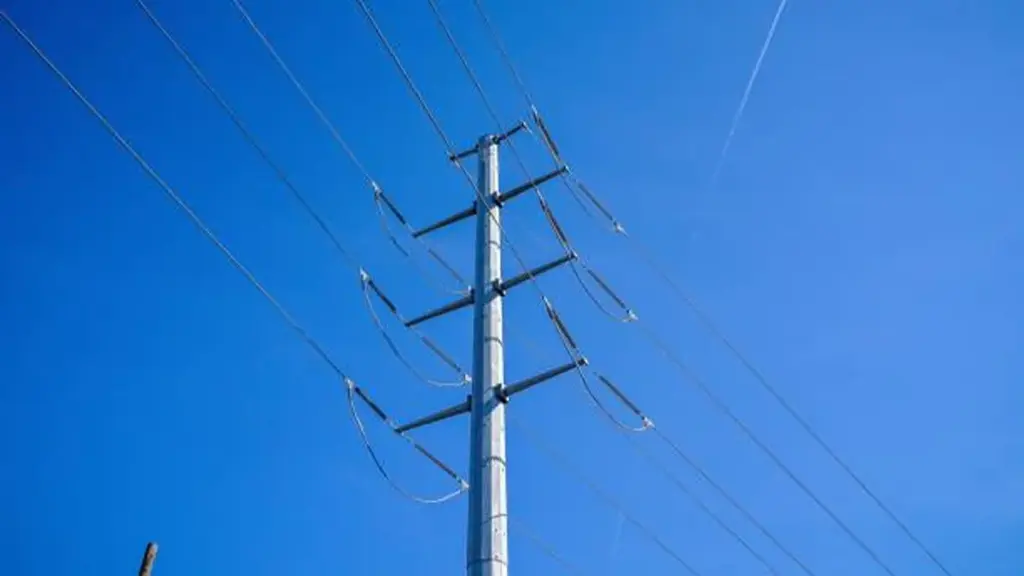
Modern electrical infrastructure mainly uses five categories of utility poles. Each material offers unique advantages depending on climate, loading requirements, installation conditions, and project budget.
Concrete Utility Poles: Durable Solution for Power Distribution Networks
Concrete utility poles are among the most widely used structures in Asia, Africa, the Middle East, and many developing power networks.
These poles are manufactured using reinforced or prestressed concrete, giving them excellent compressive strength and long service life.
Преимущества
- Excellent resistance to corrosion
- Fire resistant
- Resistant to termites and insects
- Low maintenance
- Long service life (often 40–60 years)
- Stable performance in coastal environments
Concrete poles are especially suitable for:
- Rural electrification
- Distribution networks
- Coastal projects
- High-humidity regions
- Public utility infrastructure
Limitations
The main drawback is weight. Concrete poles require larger lifting equipment during transportation and installation, which increases logistics costs in remote locations.
Steel Utility Poles: High Strength for Heavy-Duty Applications
Steel utility poles provide outstanding structural strength while maintaining a relatively slim profile.
They are commonly manufactured from galvanized steel to improve corrosion resistance.
Typical applications include:
- Transmission lines
- Urban power networks
- High wind areas
- Heavy equipment installations
- Long-span overhead lines
Преимущества
- High load capacity
- Smaller pole diameter
- Easier to climb for maintenance
- Uniform manufacturing quality
- Suitable for taller structures
Limitations
Although galvanized coatings significantly improve corrosion resistance, steel poles may require additional protective coatings in highly corrosive coastal or chemical environments.
Wooden Utility Poles: Traditional Option for Overhead Lines
Wood poles have been used for more than a century and remain common in North America and parts of Europe.
Common wood species include:
- Southern Pine
- Douglas Fir
- Western Red Cedar
Преимущества
- Low purchase cost
- Easy transportation
- Easy field modification
- Lightweight installation
- Widely available
Wood poles are often selected for:
- Rural distribution
- Temporary power lines
- Small utility projects
- Low-voltage distribution
Limitations
Wood naturally deteriorates over time and is vulnerable to:
- Rot
- Termites
- Fire
- Moisture
- Fungal attack
Regular inspection and preservative treatment are required throughout their service life.
Composite Utility Poles: Lightweight and Corrosion-Resistant Alternative
Composite utility poles are manufactured using fiberglass reinforced polymer (FRP) or other advanced composite materials.
Although their market share is still relatively small, they are becoming increasingly popular for specialized applications.
Преимущества
- Extremely lightweight
- Excellent corrosion resistance
- Non-conductive
- High strength-to-weight ratio
- Easy transportation
- Minimal maintenance
These poles are commonly used in:
- Coastal areas
- Chemical plants
- Remote locations
- Islands
- Telecommunication infrastructure
Limitations
Composite poles generally have a higher upfront cost than conventional materials, although lower maintenance requirements can reduce lifetime ownership costs.
Steel Reinforced Concrete Poles: Enhanced Strength for Harsh Environments
Steel reinforced concrete poles combine reinforced steel bars with high-strength concrete, producing a structure capable of carrying larger mechanical loads than standard reinforced concrete poles.
These poles are widely used for:
- Medium-voltage distribution
- Heavy transformer installations
- Mountainous terrain
- High wind regions
- Industrial substations
Преимущества
- Higher bending strength
- Better crack resistance
- Long service life
- Excellent weather resistance
- Suitable for heavier equipment
For utilities seeking long-term reliability with minimal maintenance, steel reinforced concrete poles remain one of the most economical solutions over the entire project lifecycle.
Your One-Stop Solution for Power Projects
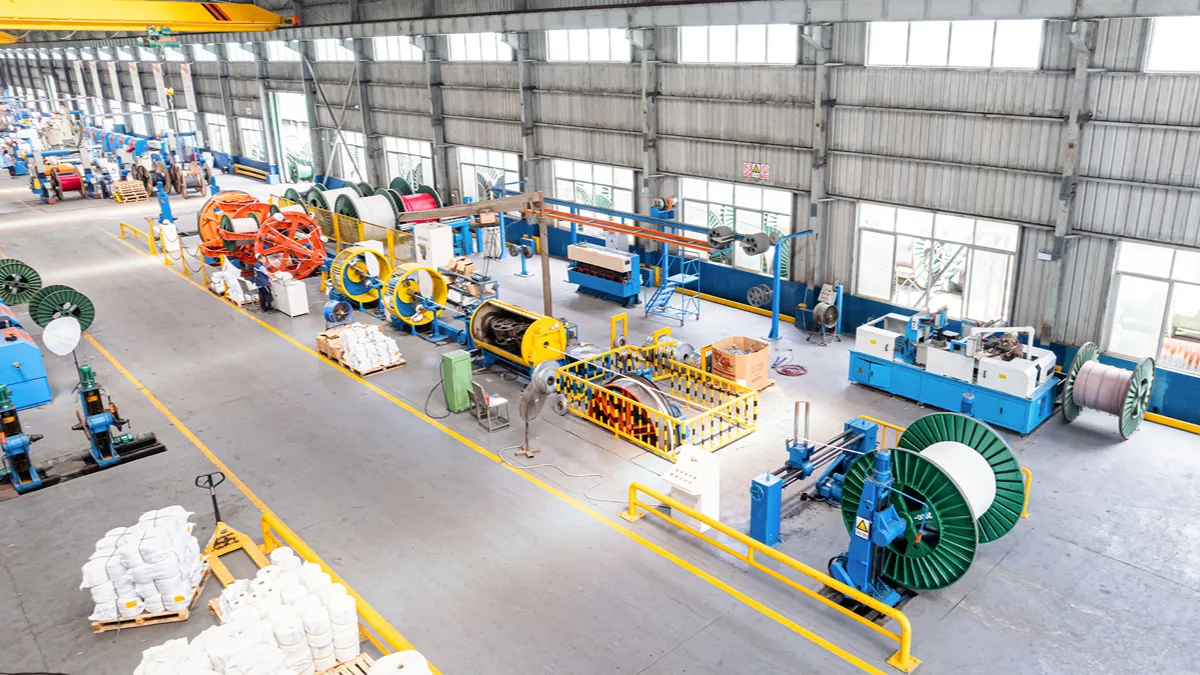
Key Differences Between Concrete vs Steel vs Wooden Utility Poles
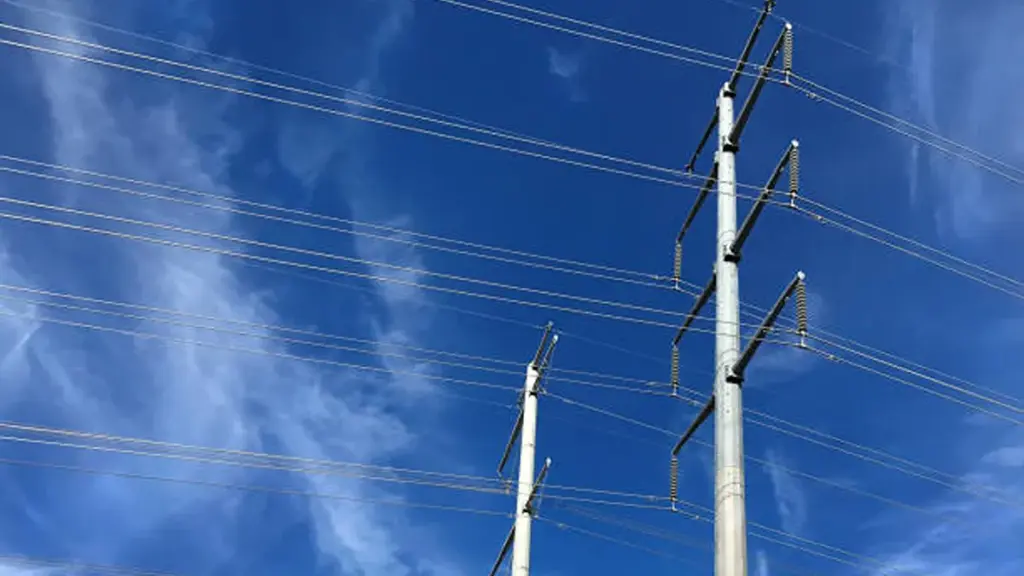
Choosing between concrete, steel, and wood poles is a direct trade-off. Wood is cheapest upfront, but steel and concrete offer far greater strength and longer, lower-maintenance service lives.
| Cost Factor | Impact on Price | Typical Influence |
|---|---|---|
| Conductor Material | Very High | Copper vs. aluminum |
| Voltage Level | Very High | Higher insulation and testing requirements |
| Cable Size | Высокий | More conductor material and insulation |
| Insulation & Jacket | Medium | XLPE, PVC, LSZH, EPR, PE, etc. |
| Standards & Certification | Medium | IEC, BS, ASTM, UL, SANS and more |
| Manufacturing Process | Medium | Production precision and quality control |
| Packaging & Logistics | Medium | Drum size, shipping method, destination |
| Order Quantity | Medium | Economies of scale |
| Lead Time | Medium | Urgent production usually costs more |
| Supplier Service | Hidden Value | Engineering support and one-stop supply |
Service Life and Durability
The lifespan of a utility pole depends entirely on its material. Wood poles typically last 30 to 50 years, but they are a constant target for rot, insects, and woodpeckers. Steel poles offer the longest service life at 60 to 80 years, standing strong against decay unless their protective coating is compromised, which can lead to corrosion. Concrete poles fall in between, with a lifespan of 50 to 60 years or more. They are completely immune to the biological threats that plague wood but can develop cracks or spall over many decades of exposure to the elements.
Structural Performance and Strength
When it comes to strength, each material has a distinct role. Wood poles are flexible and provide sufficient strength for the vast majority of standard distribution lines. For more demanding jobs, steel is the go-to choice. Its high strength-to-weight ratio makes it perfect for tall transmission structures, long spans between poles, and supporting heavy conductor loads. Concrete poles boast the highest compressive strength and stiffness of the three. This makes them the preferred option for withstanding extreme storm conditions and supporting the weight of heavy equipment without buckling.
Installation, Handling, and Cost
Cost and logistics are often the deciding factors in large-scale projects. Wood poles have the lowest initial material cost and are the lightest and easiest to transport and install, making them economical for sprawling networks. Steel poles come with a higher price tag and require cranes for installation due to their moderate weight. Their advantage lies in faster assembly of pre-fabricated sections. Concrete poles represent the highest installed cost. Their immense weight requires specialized transport and heavy-duty cranes, making the installation process far more complex and expensive.
Maintenance, Safety, and Environmental Factors
Ongoing operational needs and environmental impact differ significantly. Wood poles demand frequent inspections for decay and physical damage and are highly combustible in wildfires. Steel poles need periodic checks for corrosion, but their key advantages are that they are non-combustible and 100% recyclable at the end of their life. Their conductive nature is a known factor that is managed with proper grounding. Concrete poles require very little maintenance and offer excellent fire resistance. Their primary environmental drawback is the high carbon footprint associated with their initial production.
Utility Pole Applications in Distribution and Transmission Systems
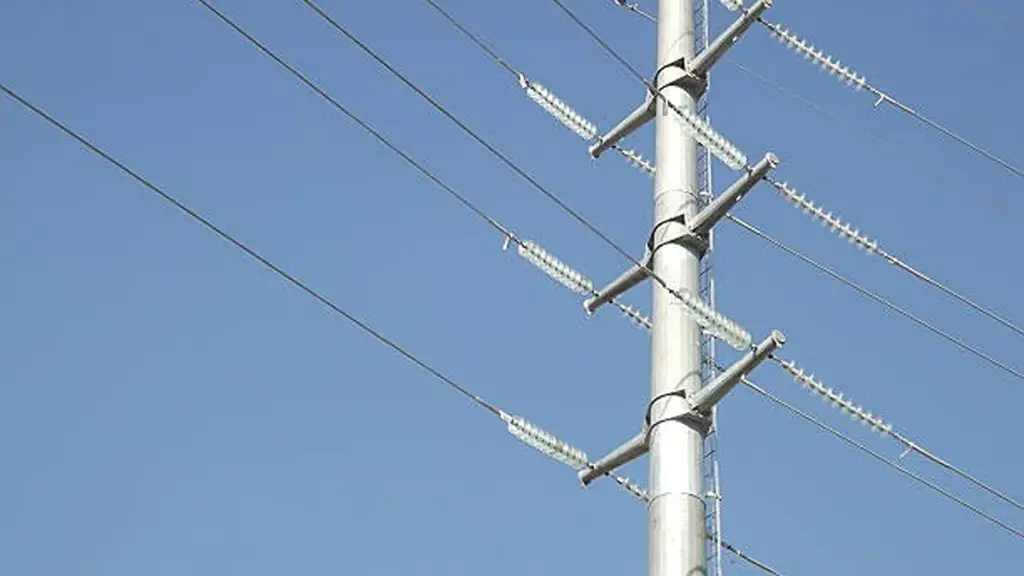
Utility poles serve two distinct grid functions: high-voltage transmission for bulk power transport and medium-voltage distribution for local delivery, each requiring different structures and equipment.
Applications in High-Voltage Transmission
Transmission poles are the heavy lifters of the power grid, responsible for moving massive amounts of electricity from generation plants to substations across long distances. These structures are engineered for strength and height to ensure the grid’s backbone remains stable and secure.
- They support high-voltage conductors, typically carrying power from 69 kV to over 500 kV, for bulk power transfer to major load centers.
- Taller and stronger structures, such as steel monopoles or large wood H-frames, are utilized to maintain safe clearances above ground over long spans.
- Structures are engineered to withstand significant mechanical loads from large conductors, heavy wind, and ice accumulation, often located within dedicated rights-of-way.
- They provide attachment points for overhead shield wires for lightning protection and can host advanced sensors for real-time line monitoring.
Applications in Medium-Voltage Distribution
Distribution poles form the final overhead link in the power delivery chain, bringing electricity from local substations directly into neighborhoods and commercial districts. These poles are the familiar workhorses that support the equipment needed for everyday power access.
- Distribution poles carry medium-voltage primary circuits, typically ranging from 4 kV to 35 kV, from substations to local service areas.
- They serve as the structural backbone for local power delivery, supporting the transformers that step down voltage for customer service drops.
- These poles host critical network equipment, including fused cutouts, reclosers, and switches that provide fault protection and allow for system segmentation.
- Standard 40-foot wood poles are common, but steel, concrete, and composite poles are often selected for projects requiring increased strength or resilience against environmental factors.
Joint-Use and Municipal Support Functions
Beyond their primary role in power delivery, utility poles are critical shared assets that support a wide range of public and commercial services. This multi-function capability makes them essential pieces of modern municipal infrastructure.
- Poles serve as shared infrastructure, hosting communication cables like fiber optic, coaxial, and telephone lines for various telecom and broadband providers.
- They support essential municipal infrastructure, including streetlights, traffic signals, and antennas for public safety communications.
- In dense urban environments, these poles are increasingly used to facilitate the deployment of 5G and other wireless small-cell technologies.
- This shared use is managed through joint-use agreements, which regulate attachment standards, spacing, and safety clearances between power and communication lines.
Key Factors to Consider When Selecting Utility Poles
Choosing the right utility pole goes far beyond price. It requires a clear-eyed assessment of structural loads, material lifespan, site conditions, total ownership cost, and regulatory compliance.
Structural Load and Functional Requirements
Before you can choose a pole, you have to define its job. Will it be used for high-voltage transmission, local distribution, communications, or some combination? Once its function is clear, you must calculate every force acting on it. This includes the vertical weight of conductors and attached equipment like transformers, plus the transverse (sideways) forces from wind and ice accumulation. This analysis determines the necessary pole class and height to ensure structural integrity and maintain safe electrical clearances over ground, roads, and buildings. The pole’s specific position in the line—whether it’s in a straight tangent run, at an angle, or at a dead-end—also dictates the magnitude and direction of forces it must withstand.
Material Properties and Expected Lifespan
The four primary material choices—treated wood, steel, concrete, and fiber-reinforced polymer (FRP) composites—each come with a distinct set of trade-offs. Treated wood offers a low initial cost and is easy for crews to handle, but its service life can be as short as 15-25 years in humid climates where it is susceptible to decay. Steel provides high, consistent strength but is vulnerable to corrosion and requires protective coatings. Concrete and FRP composites are the durability champions, with lifespans that can exceed 80 years, making them ideal for harsh environments. This resilience comes at a price, as they have higher upfront material costs and often require heavier equipment for installation.
Environmental and Site-Specific Conditions
The physical location of the pole is a critical factor. Remote or steep terrain can make it difficult and expensive to bring in heavy machinery, favoring lightweight materials like FRP composites. The soil composition, whether it’s clay, sand, or rock, directly determines the required embedment depth and foundation design needed to keep the pole stable. Local climate dictates the loads the pole must endure, from design wind speed and potential ice accumulation to humidity and airborne salt that accelerate material degradation. For extreme events, material choice is a key risk mitigator; non-combustible materials like steel and concrete are the clear choice for regions prone to wildfires.
Total Cost of Ownership and Maintenance Strategy
Focusing only on the initial purchase price is a common mistake. The total cost of ownership (TCO) provides a more accurate financial picture, accounting for transportation, installation equipment, and labor. You must also model the long-term expenses tied to inspection frequency, routine maintenance like re-coating steel or re-treating wood, and eventual repairs. Shorter-lived materials necessitate more frequent capital investments and service interruptions for replacement. A truly comprehensive TCO analysis also factors in the cost of reliability; selecting more resilient materials can significantly reduce the financial risk associated with outages over the asset’s entire life.
Safety, Standards, and Regulatory Compliance
Utility poles are not installed in a vacuum. Every design must provide sufficient vertical and horizontal clearances to meet strict electrical safety codes, such as the National Electrical Safety Code (NESC). The pole and its structural design must also adhere to material-specific standards like ANSI for wood poles or ASCE for steel structures. Environmental regulations govern the use of chemical preservatives in wood and certain coatings, limiting your options. Finally, community requirements can play a role, from aesthetic preferences in urban environments to specific placement rules for public safety along roadways.
Utility Pole Accessories and Supporting Equipment
A utility pole is more than just a column; it’s a platform for a wide range of accessories that support, protect, and control the electrical and communications infrastructure.
Structural Support and Stability Components
The first job of any pole is to stay upright and bear its load. These components are the skeleton and muscle that provide mechanical strength and stability against physical forces like wind, ice, and line tension.
- Crossarms: These horizontal members, typically made of treated wood, steel, or composites, are mounted near the pole’s top. They support and maintain the required separation between primary electrical conductors to prevent faults.
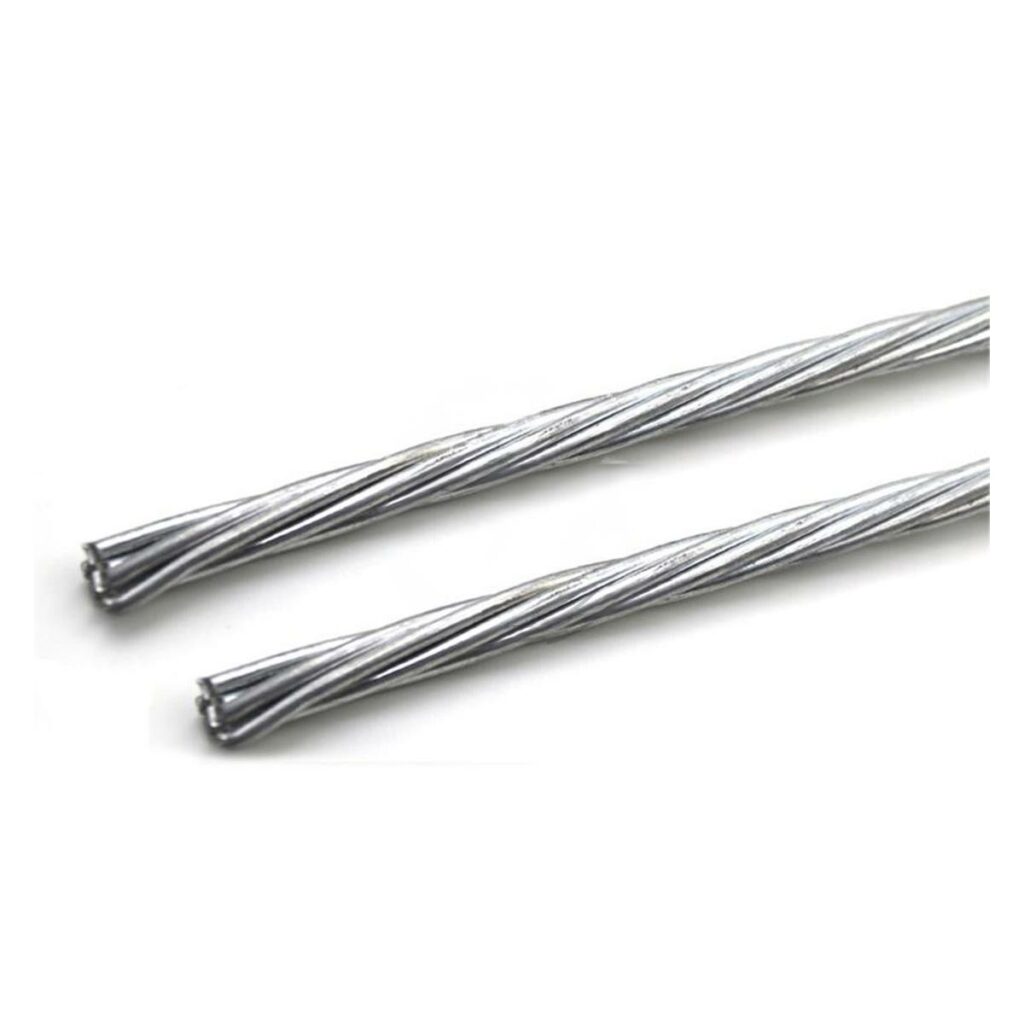
- Guy Wires and Anchors: When a pole is subject to unbalanced forces, such as at a line corner or dead-end, tensioned steel guy wires are used. These cables are anchored to the ground to counteract the pull and keep the pole stable.
- Braces and Brackets: These are the metal reinforcements that add structural integrity. They strengthen crossarms against heavy loads and provide secure mounting points for equipment like transformers and switches.
- Pole Tops and Guards: Specifically for wood poles, these protective caps are installed on the top end to shield the wood from water. This simple accessory prevents moisture from seeping into the grain, which helps to stop decay and extend the pole’s service life.
Electrical Insulation and Conductor Hardware
This group of hardware manages the flow of electricity by keeping energized wires safely separated from the pole and each other. It’s the critical link between the structural support and the electrical conductors.
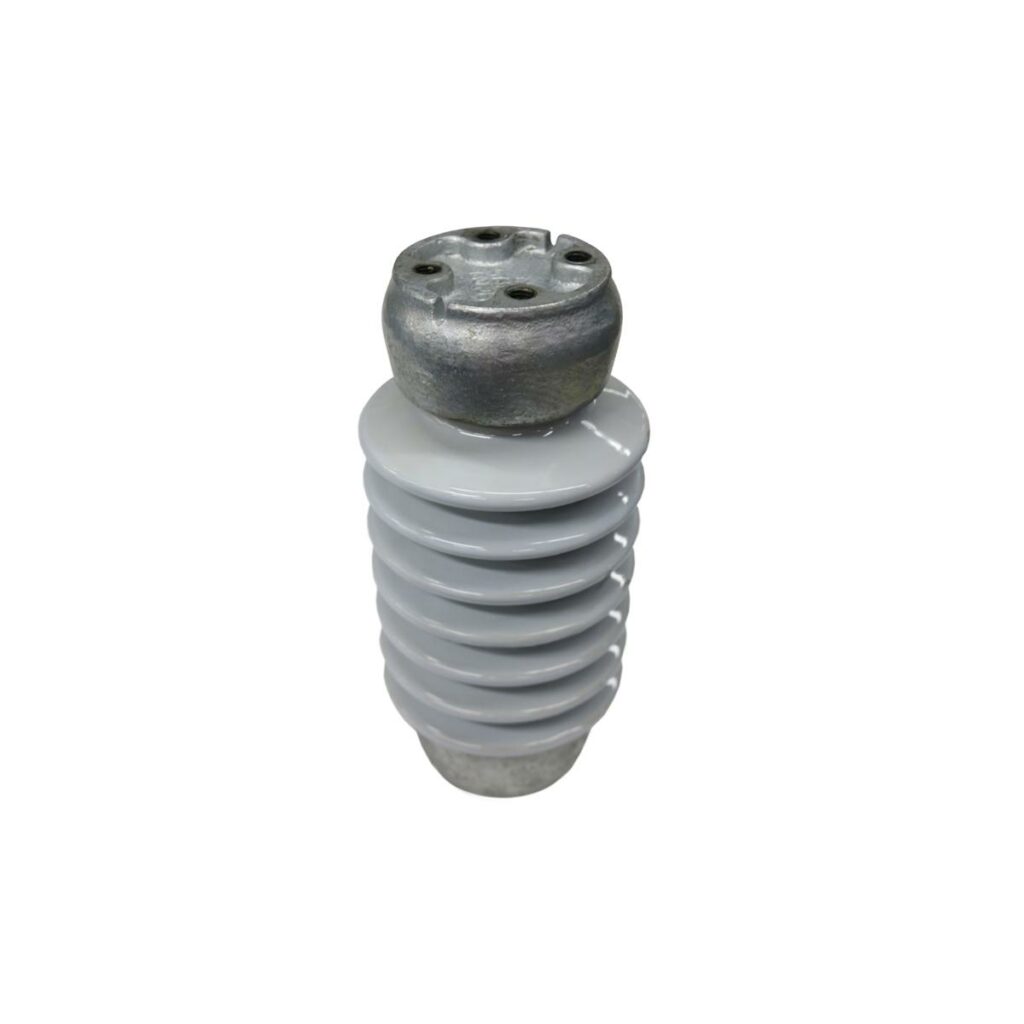
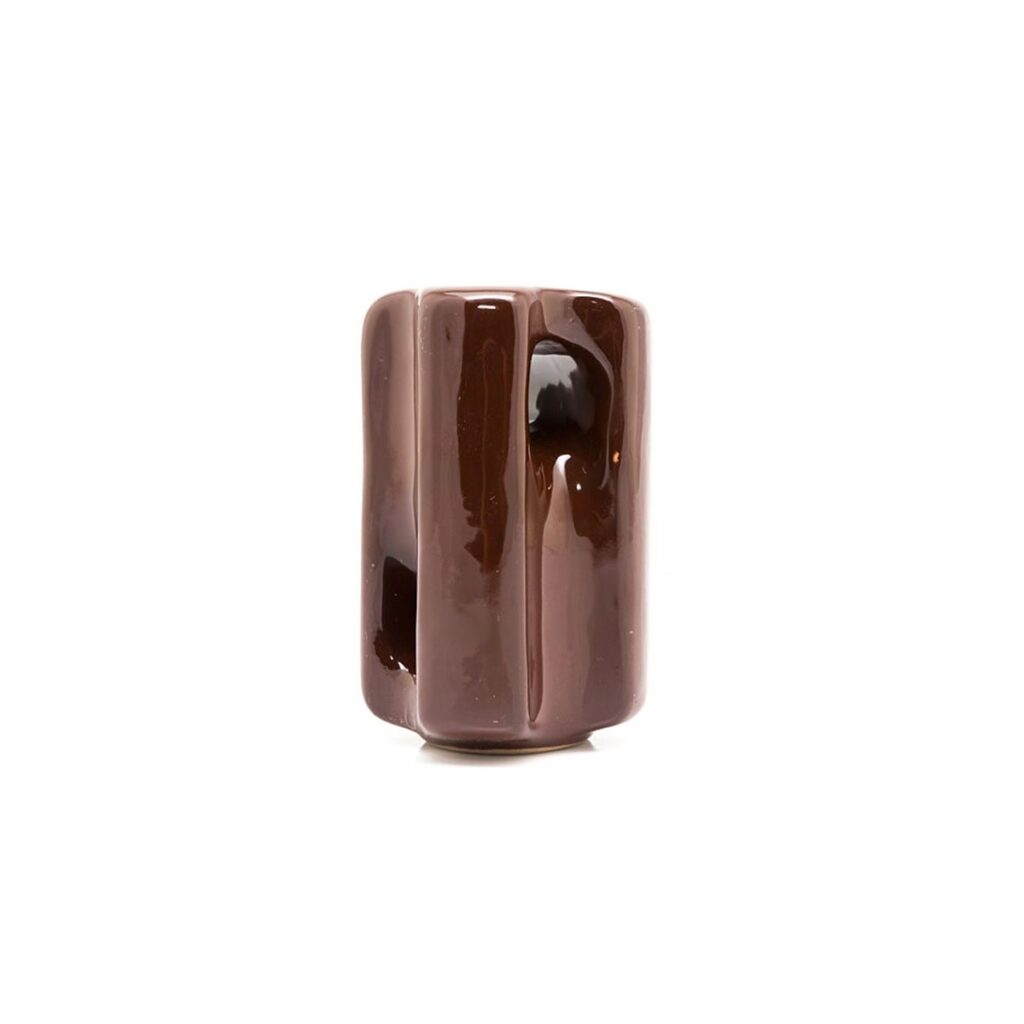
- Insulators: Made from porcelain, glass, or polymer, these devices provide both mechanical support for the wires and electrical insulation. They prevent energized conductors from making contact with the pole structure, which would cause a fault.
- Primary and Secondary Conductor Hardware: This includes a variety of clamps, ties, and dead-ends. This hardware physically attaches high-voltage primary wires and lower-voltage secondary wires to their respective insulators on the pole.
- Neutral and Ground Wire Accessories: A separate set of hardware is used to correctly position the neutral conductor and secure the ground wire. The ground wire typically runs the full length of the pole to provide a safe path for fault currents to dissipate into the earth.
System Protection and Control Devices
Utility poles also serve as mounting points for equipment that protects the grid and enables operational control. These devices help isolate problems and allow for efficient maintenance and power restoration.
- Lightning Arresters: These devices are installed near transformers and other sensitive equipment. During a lightning strike, they create a path for the massive voltage surge to travel safely to the ground, protecting the equipment from damage.
- Fuse Cutouts: Acting like a circuit breaker for the line, a fuse cutout provides overcurrent protection. When a fault occurs, the fuse opens the circuit and physically drops open, giving line workers a clear visual indicator of the fault’s location.
- Switches and Reclosers: These automated or manual devices give utilities control over the grid. Switches let workers reconfigure circuits or isolate sections for maintenance, while reclosers automatically try to restore power after a temporary fault, improving reliability.
Service Delivery and Multi-Use Attachments
Beyond simply holding up wires, poles are the final delivery point for electricity and a shared platform for other essential public services. This hardware brings power to customers and supports communications and lighting.
- Distribution Transformers: These familiar cylindrical or rectangular cans are mounted directly to the pole. They perform the critical function of stepping down high primary distribution voltages to the lower levels required for use in homes and businesses.
- Telecommunications Hardware: Poles are frequently shared with other utilities. A variety of specialized brackets, clamps, and cable organizers are used to support telephone, cable TV, and fiber optic lines, which are always located in the lowest position for safety.
- Street Lighting Equipment: Many utility poles double as light poles. This equipment includes luminaire arms to position the light over the road, photocells for automatic dusk-to-dawn operation, and the dedicated wiring needed to power the light fixture.
How to Source Complete Utility Pole Solutions for Projects
Large utility projects rarely involve purchasing poles alone. Contractors and EPC companies typically need a complete overhead line package that arrives on schedule and meets the project’s technical specifications.
When evaluating suppliers, consider whether they can provide:
- Utility poles matched to your design requirements
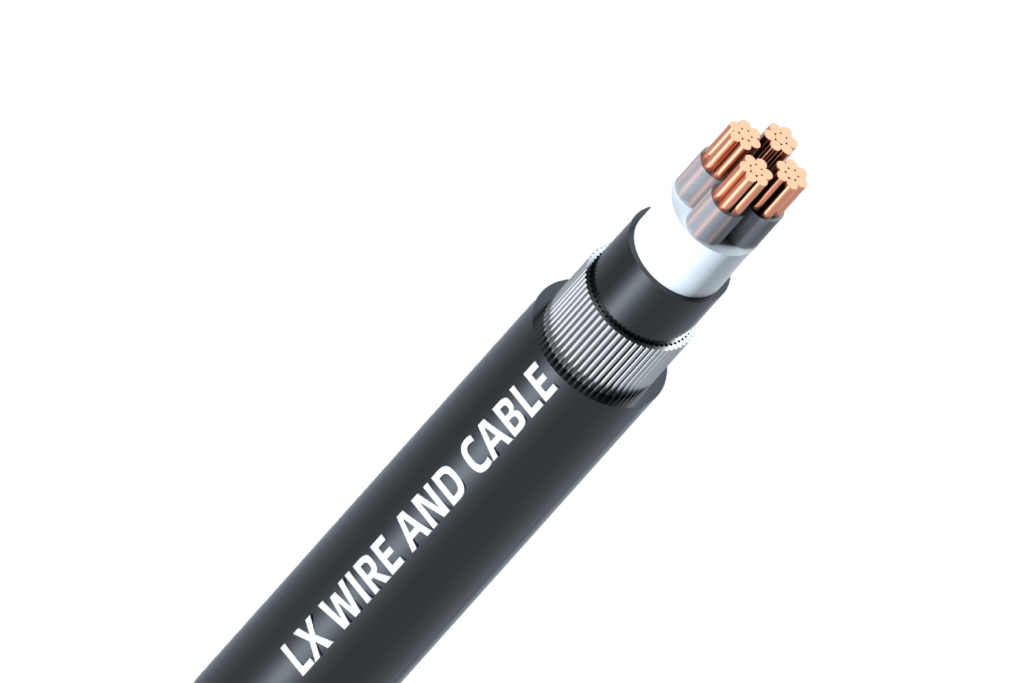
- MV and LV power cables
- ABC cables
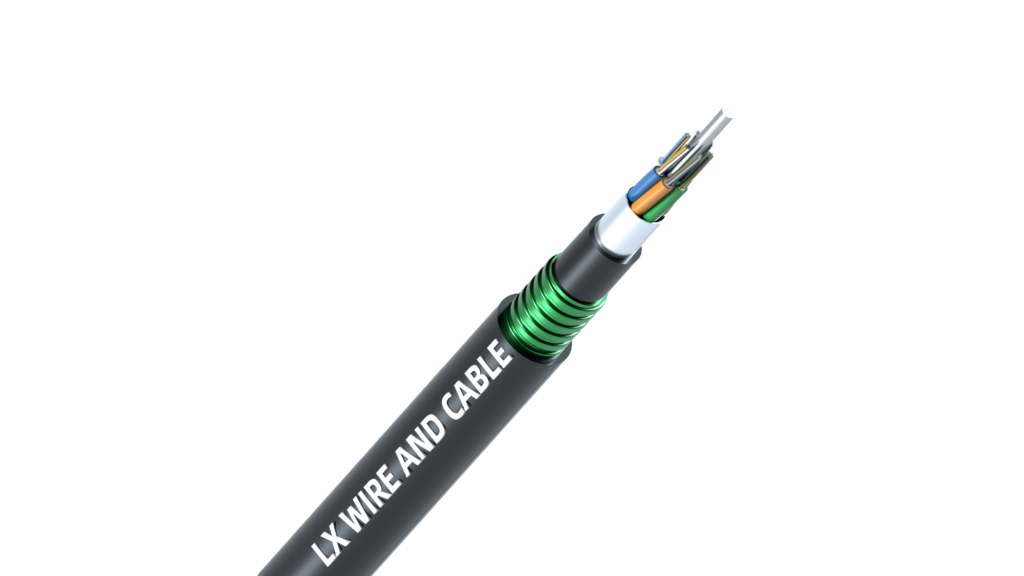
- ADSS and OPGW fiber optic cables
- Cable accessories and fittings
- Pole line hardware
- Technical documentation and compliance support
- Export packaging and logistics coordination
Using a single supplier for multiple product categories can simplify communication, reduce compatibility issues, and shorten procurement timelines. It also makes quality control and after-sales support more consistent throughout the project.
At GUANGDONG LX WIRE AND CABLE CO., LTD., we support utilities, EPC contractors, distributors, and infrastructure developers with one-stop solutions for overhead distribution projects. In addition to power cables, optical fiber cables, and cable accessories, we help customers coordinate compatible pole-line materials, reducing the need to manage multiple vendors and helping projects move from procurement to installation more efficiently.
Frequently Asked Questions
What are the different types of utility poles?
Utility poles are primarily classified in two ways: by their function and their material. Functional types include Transmission Poles for high-voltage power, Distribution Poles for local power delivery, and Public Service Poles for streetlights and signals. Common materials include wood, steel, concrete, and composite (fiberglass), each chosen based on strength, cost, and environmental factors.
How tall are typical distribution poles?
Typical distribution poles range from 30 to 60 feet tall. In residential neighborhoods, poles are commonly 30 to 40 feet high, with 35 feet being a very standard size. Taller poles are required to provide safe clearance over roads, accommodate multiple utility lines, or span longer distances across varied terrain.
How do steel poles compare to wooden poles?
Steel poles offer higher strength, a longer service life (60+ years), and superior resistance to fire, rot, and insects compared to wood poles (25–50 year life). While wood has a lower upfront cost, steel often provides a lower total lifecycle cost due to reduced maintenance and replacement needs, making it a preferred choice for critical lines and harsh environments.
When should concrete poles be used instead of wood?
Concrete poles should be used instead of wood in environments where exceptional durability and minimal maintenance are required. They are ideal for coastal regions, flood-prone areas, and high-wind zones because they are resistant to rot, fire, and insects. Despite a higher initial cost and weight, their long service life (30–50 years) makes them a cost-effective choice for harsh conditions.
What is a utility pole class rating?
A utility pole class rating is a standardized system that defines a pole’s strength and minimum dimensions. For wood poles, a lower class number (e.g., Class 1) signifies a stronger, larger-diameter pole capable of handling heavier loads than a pole with a higher class number (e.g., Class 5). This rating ensures engineers select poles with the appropriate capacity for the intended wind, ice, and equipment loads.
Are composite poles better than traditional materials?
In many demanding applications, composite (fiberglass) poles are better than traditional materials. They are extremely durable, immune to rot and corrosion, lightweight, and have a very long service life (80+ years). Their main disadvantage is a higher initial cost. However, for critical infrastructure in harsh environments like coastal or storm-prone areas, their superior resilience and lower lifecycle cost make them an excellent investment.
What type of poles are used for street lighting?
Street lighting typically uses poles made from steel, aluminum, concrete, or composites. Galvanized steel is the most common due to its strength, durability, and cost-effectiveness. Aluminum is often chosen for its corrosion resistance in coastal areas or for decorative designs. In some cases, streetlights are mounted on existing concrete or wooden distribution poles to utilize shared infrastructure.


 Russian
  English
  French
  Afrikaans
  Portuguese
  Hindi
Hindi  Italian
  Japanese
  Korean
  Spanish
  Arabic
  German
  Swahili