
Overhead Line Failures: Causes, Types, and Prevention
Overhead line failures can interrupt power supply, damage equipment, and increase maintenance costs. For utilities, EPC contractors, and distribution network operators, understanding why these faults occur is essential for keeping lines in service.
Common causes include lightning, vegetation contact, mechanical overload, insulation failure, conductor fatigue, and hardware corrosion. This article explains nine common failure types, their warning signs, and practical ways to reduce the risk of repeat faults on overhead distribution networks.
Key Takeaways
- Overhead line failures commonly result from vegetation contact, lightning, mechanical overload, insulation problems, conductor fatigue, and hardware corrosion.
- Wind, ice, and vehicle impacts can damage poles, crossarms, and other line structures.
- Aeolian vibration can cause conductor strands to break near clamps, while armor rods and dampers help reduce fatigue.
- Surge arresters, suitable insulators, regular inspections, and proper hardware selection help prevent recurring faults.
- Tracking failures by line section helps maintenance teams identify high-risk areas and plan more effective maintenance.
Common Types of Overhead Power Line Failures
Overhead line failures usually result from electrical faults, environmental exposure, mechanical stress, or component deterioration. Some faults develop suddenly, such as lightning strikes and vehicle impacts. Others build up over time through conductor vibration, corrosion, or vegetation growth. Identifying the cause helps maintenance teams decide which components need inspection or replacement. The table below summarizes nine common failure types and their typical field signs.
| Failure Type | Typical Cause | Common Field Signs |
|---|---|---|
| Vegetation contact | Branches entering conductor clearance | Burnt branches and fault marks |
| Lightning | Surge exceeding insulation capability | Flashover marks and operated arresters |
| Wind and ice overload | Excessive environmental loads | Damaged poles and crossarms |
| Pollution flashover | Salt or industrial deposits on insulators | Tracking marks on insulator surfaces |
| Wildlife bridging | Animals contacting live and earthed parts | Nests, carcasses, and contact marks |
| Conductor strand fatigue | Repeated wind-induced vibration | Broken strands near clamps |
| Hardware corrosion | Moisture and salt exposure | Rust on clamps, bolts, and brackets |
| Vehicle strikes | Road traffic hitting roadside poles | Leaning or broken poles |
| Overload-driven sag | Conductor heating under excessive current | Reduced ground clearance |
Weather-Related and Mechanical Overhead Line Failures
Weather and external impacts can damage both the electrical and mechanical parts of an overhead line. Lightning can cause insulation flashover, while strong winds and heavy ice loads can place excessive stress on poles, crossarms, and support fittings. Vehicle collisions create another structural risk, especially along roadside distribution routes. These failures require different responses, so maintenance teams should identify the damaged component before arranging replacement work.
Lightning Strikes and Surge Protection
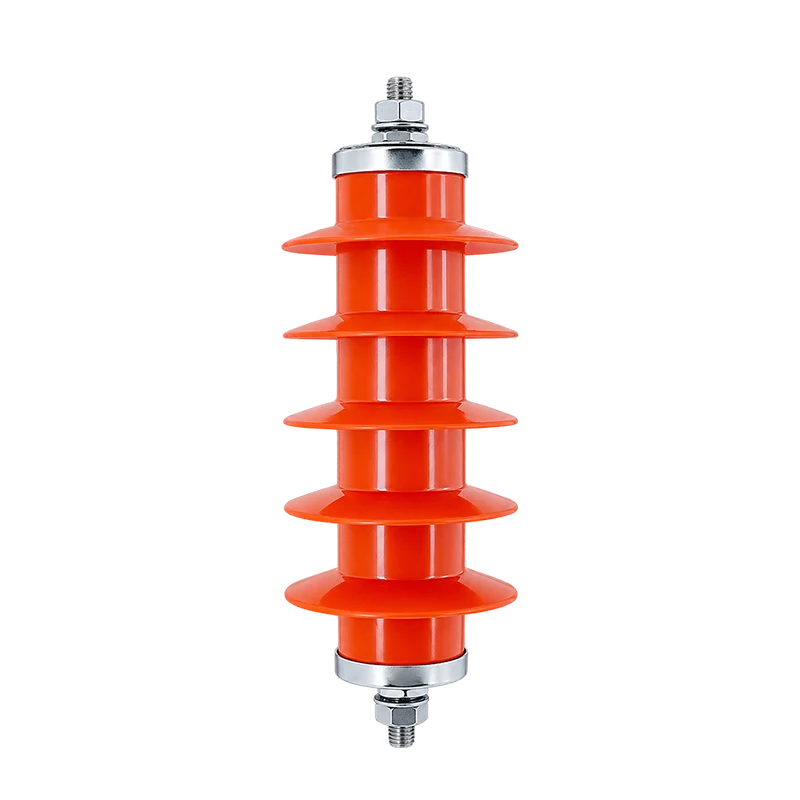
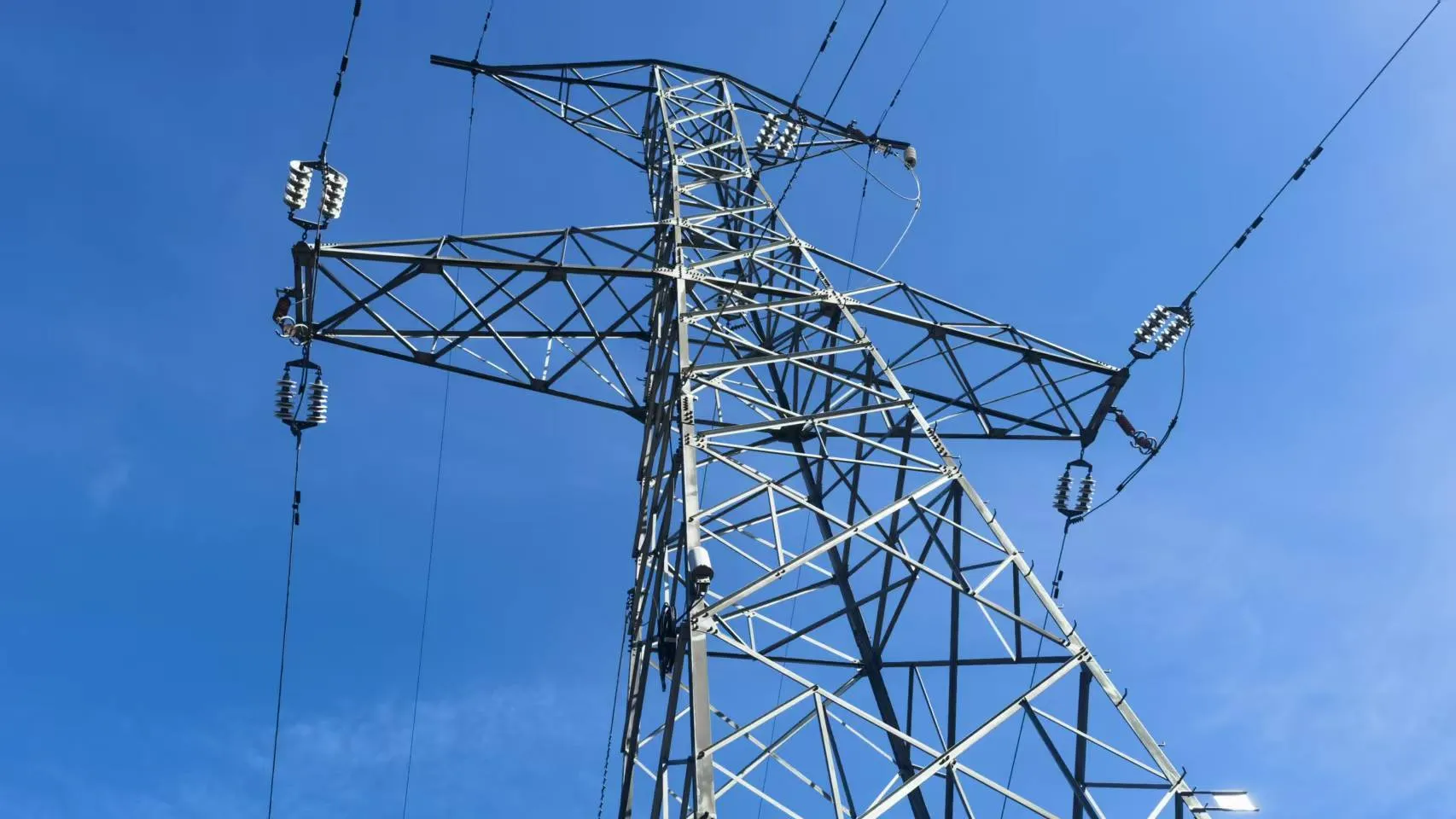
Lightning can create high-voltage surges that damage insulators, transformers, and other connected equipment. Surge arresters limit overvoltage by directing surge energy toward the grounding system. They are commonly installed at pole-top and substation locations to protect distribution equipment.
LX Cable supplies distribution surge arresters for overhead line and equipment protection, with products rated from 3kV to 36kV under IEC 60099-4.
Wind, Ice, and Vehicle Impact
Strong winds and ice accumulation increase mechanical loads on conductors and support structures. Excessive loading can damage crossarms, poles, and guy attachments. Vehicle impacts can also weaken or break roadside poles.
After severe weather or a collision, inspect the affected structure and its fittings before restoring normal operation. For more information about pole structures and related equipment, see our article on utility pole components.
Vegetation and Wildlife Faults on Distribution Lines
Vegetation and wildlife are common sources of faults on overhead distribution routes. Unlike sudden storm damage, these problems often develop in predictable locations and can be reduced through regular patrols. Rural feeders, tree-lined corridors, and pole tops near water or dense vegetation may need closer attention. Recording repeated fault locations helps maintenance teams set inspection schedules based on actual site conditions rather than using the same schedule for every line section.
Tree Contact and Vegetation Management
Branches that enter conductor clearance can cause phase-to-ground or phase-to-phase faults. Regular tree trimming helps maintain the required clearance around energized conductors. The trimming cycle should reflect local vegetation growth and the condition of each route.
Teams should record sections with repeated tree contact and give fast-growing vegetation priority during inspections.
Wildlife Bridging at Pole Tops
Birds and climbing animals can bridge energized conductors and grounded structures, causing short circuits or flashovers. Animal guards and insulated covers around exposed connections can reduce this risk.
Pay particular attention to pole tops near trees, water sources, and known nesting areas. Installing suitable protection during planned maintenance can help prevent repeated faults at the same locations.
Hardware Matched To The Failures You Actually See
LX Cable manufactures and supplies the conductors, insulators and overhead line fittings that keep African distribution networks repairable. Send your fault history or your bill of materials, and the team will match hardware to the environments causing your outages, from salt air to lightning-prone ridges. Every quote ships with specification sheets, so crews install to standard the first time.
Insulator Flashover and Other Electrical Line Faults
Insulators keep energized conductors separated from poles and supporting structures. When their electrical performance falls, current may travel across the insulator surface or through damaged insulation. Lightning surges and surface contamination are two common causes. Maintenance teams should consider both the electrical condition of the insulator and the pollution level along the line route when investigating repeated flashovers.
Pollution Flashover in Coastal and Industrial Areas
Salt deposits, industrial dust, and other contaminants can collect on insulator surfaces. When fog or light rain adds moisture, the contamination may become conductive and create a flashover path.
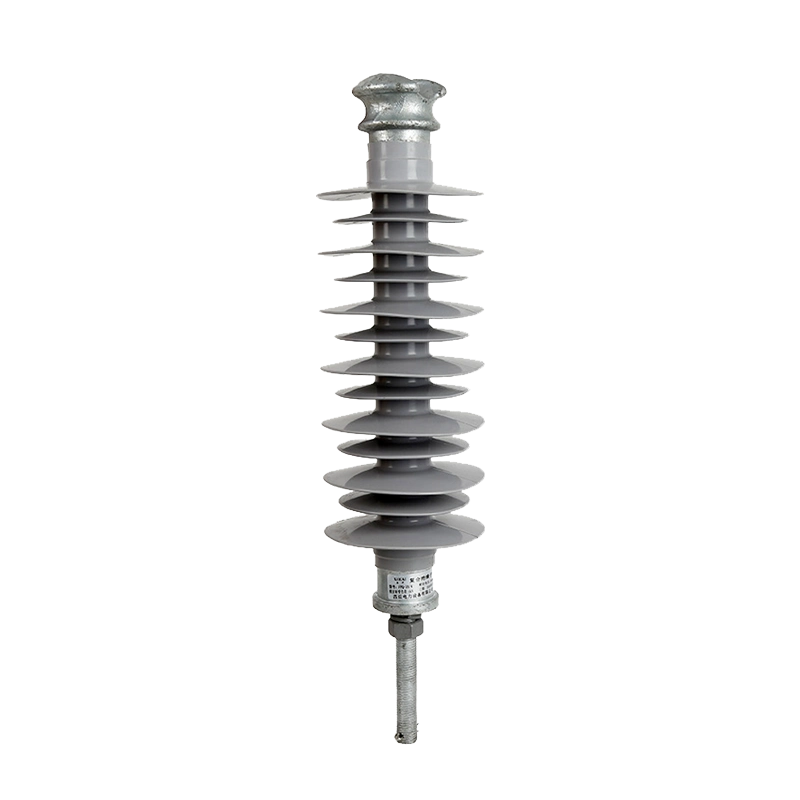
Insulator selection should match the voltage level, mechanical load, and pollution conditions at the installation site. LX Cable supplies composite, porcelain, and glass insulators for overhead distribution and transmission applications, with pollution requirements considered during specification.
Transient and Permanent Faults
A transient fault clears after the protection system operates and the circuit successfully recloses. A permanent fault remains until the damaged component or fault condition is located and repaired.
The difference affects maintenance decisions. Repeated successful reclosing may indicate a temporary event, while a lockout requires further investigation. Recording trip and reclosure history by line section helps identify recurring problem areas.
Conductor and Hardware Failures on Overhead Lines
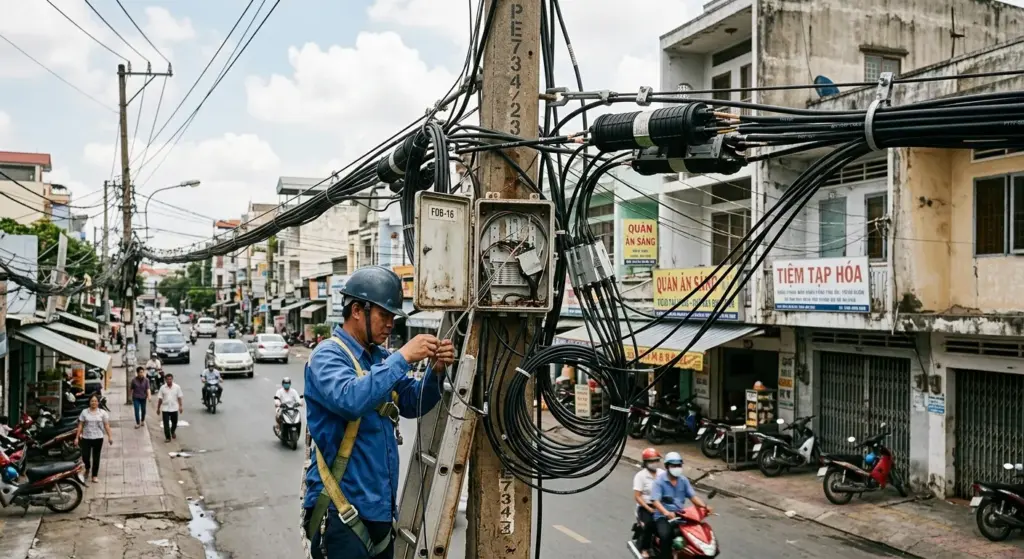
Conductors and line fittings face continuous electrical, mechanical, and environmental stress. Wind-induced vibration can weaken conductor strands, poor connections can create local hot spots, and corrosion can reduce hardware strength. Excessive current can also increase conductor temperature and sag. These problems may develop gradually, making regular inspections important for identifying damage before it causes a line interruption.
Conductor Fatigue from Aeolian Vibration
Aeolian vibration is a low-amplitude, high-frequency movement caused by wind flowing across a tensioned conductor. Repeated movement near suspension points and clamps can cause conductor strands to fatigue and break.
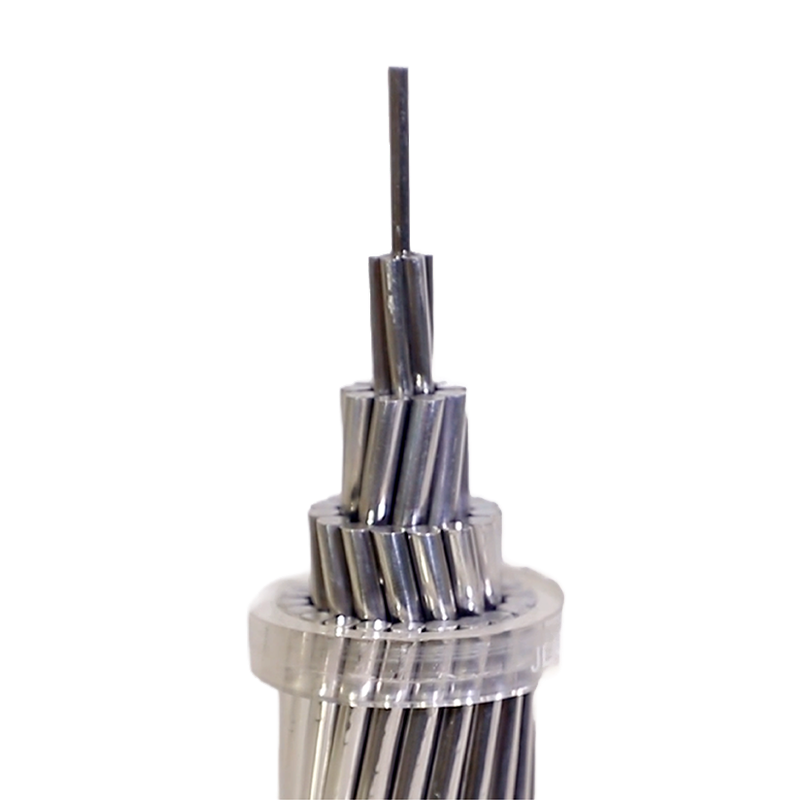
Armor rods help distribute bending stress, while Stockbridge dampers reduce vibration energy. Both should be selected and positioned according to conductor specifications and span conditions. See our overhead conductor range for ACSR, AAAC, and AAC options.
Hot Joints and High-Resistance Connections
Loose or deteriorated connectors can develop high electrical resistance. The resulting heat may damage the connection and surrounding components.
Infrared thermography helps maintenance teams identify abnormal temperatures during patrols. Torque checks and proper retermination can correct connection problems before they lead to an outage.
Hardware Corrosion and Overload-Driven Sag
Moisture and salt exposure can gradually damage galvanized hardware, particularly clamps, bolts, and brackets in coastal areas. Hot-dip galvanized or stainless steel hardware can be specified for corrosive environments.
Excessive current also heats conductors and increases sag. If ground clearance becomes insufficient, the line may present a safety risk. Maintenance teams should check conductor loading, temperature, and clearance against the applicable design requirements.
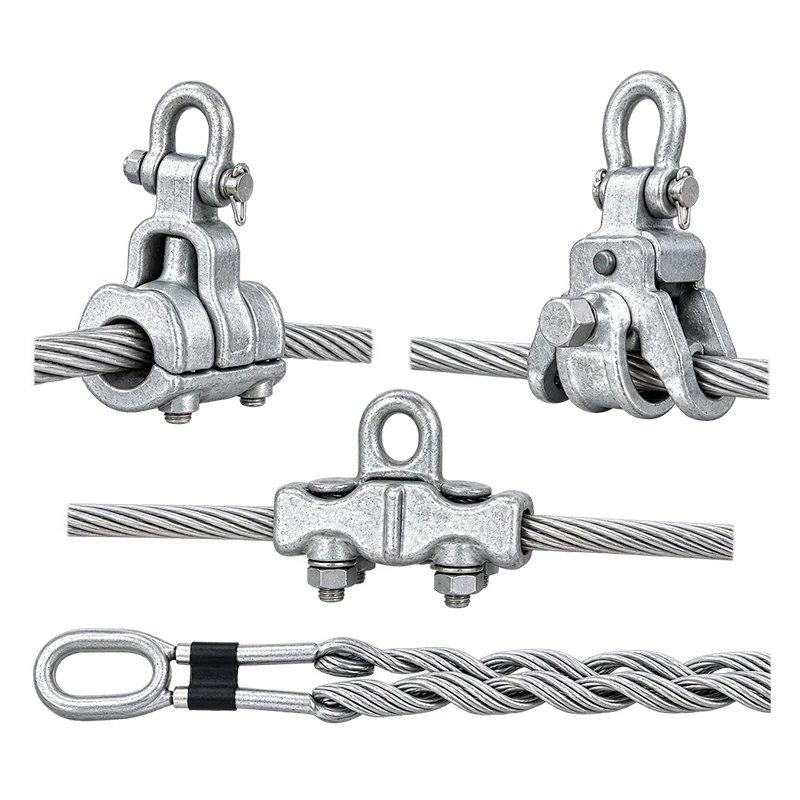
For replacement work, overhead line fittings should match the conductor type, dimensions, and installation conditions.
How to Prevent Common Overhead Line Failures
Preventive maintenance works best when each action addresses a known failure cause. A vegetation problem requires a different response from conductor fatigue or insulation contamination. Instead of relying only on fixed inspection schedules, maintenance teams should review fault records by line section and identify locations with repeated problems. The following table connects common failure causes with practical maintenance measures.
| Failure Cause | Maintenance Measure | Priority Area |
|---|---|---|
| Vegetation contact | Regular tree trimming | Overgrown rural corridors |
| Lightning | Surge arresters and effective grounding | Exposed routes and equipment locations |
| Wind and ice overload | Inspect poles, crossarms, and support fittings | Weather-exposed line sections |
| Pollution flashover | Insulator inspection, cleaning, and suitable selection | Coastal and industrial areas |
| Wildlife bridging | Animal guards and insulated covers | Pole tops and exposed connections |
| Conductor fatigue | Armor rods and vibration dampers | Clamps and suspension points |
| Hardware corrosion | Suitable galvanized or stainless steel fittings | Coastal and humid environments |
| Vehicle strikes | Inspect and repair damaged pole structures | Roadside line sections |
| Overload-driven sag | Check conductor loading and ground clearance | High-load line sections |
Fault records should also be grouped by line section. This helps teams identify whether vegetation, lightning, pollution, or component wear causes most interruptions in a particular area. Maintenance budgets can then focus on the locations and components with the highest repeat-fault risk.
Source Overhead Line Materials for Distribution Projects
Reliable overhead distribution networks depend on compatible conductors, insulators, surge protection, and line fittings. For EPC contractors and utility procurement teams, sourcing these materials together can also simplify specification checks and delivery coordination.
At LX Electrical, we supply overhead conductors and related line materials for power distribution projects. Our product range includes ACSR, AAAC, and AAC conductors, insulators, surge arresters, and overhead line fittings.
Whether your team needs a single replacement product or a complete overhead line BOM, share the required specifications, quantities, and project details with us. We can review the material requirements and coordinate a suitable supply package for your project.
Frequently Asked Questions
What Are the Most Common Causes of Overhead Line Failures?
Common causes include vegetation contact, lightning, wind and ice loads, pollution flashover, wildlife bridging, conductor fatigue, hardware corrosion, vehicle impacts, and excessive conductor sag. The main causes vary with local weather, vegetation, line design, and operating conditions.
How Can Utilities Reduce Overhead Line Faults?
Utilities can reduce faults through regular vegetation management, insulator inspections, surge protection, conductor vibration control, connector checks, and hardware replacement. Reviewing fault records by line section also helps identify recurring problems.
What Causes Conductor Fatigue Near Suspension Clamps?
Aeolian vibration causes repeated bending near conductor support points. Over time, this movement can weaken individual strands and lead to fatigue breakage. Armor rods and Stockbridge dampers help reduce stress and vibration at these locations.
How Do Surge Arresters Protect Overhead Distribution Lines?
Surge arresters limit high-voltage surges caused by lightning or switching events. They direct surge energy toward the grounding system, helping protect transformers and other connected equipment from overvoltage damage.