

Underground vs Overhead Medium Voltage Cables
The underground vs overhead medium voltage cable decision fixes your cost structure before the first pole is planted or the first trench is cut. Procurement teams compare conductor prices and stop there. The real divide sits in civil works, outage economics and terrain. Get it right and the network runs cheap for decades.
Overhead faults announce themselves, and a line patrol usually pinpoints the break within hours. Buried faults stay hidden until fault-location instruments bracket them, and excavation plus jointing stretch a single event across hours to days. Weigh that against a build cost running several times higher per kilometre, and the trade sits on the table. This guide settles the medium voltage (MV) decision section by section: costo, prestazione, affidabilità, installation and a verdict for every scenario.
Punti chiave
- Underground builds cost several times more per kilometre, and trenching plus civil works dominate that budget.
- XLPE underground cables cover rated voltages from 3.6/6 kV up to 19/33 kV under IEC 60502-2.
- Overhead faults are visible and often found by patrol within hours; buried faults need instruments plus excavation, taking hours to days.
- Direct-buried circuits need steel tape armour (STA) or steel wire armour (SWA); duct routes can run unarmoured but pay for conduits and pits.
- Overhead wins rural and long feeders on cost; underground wins dense urban districts, industrial campuses and airports.
- Soil thermal resistivity governs buried ampacity, so stabilized backfill protects the rating you paid for.
What Underground Cable Cost Really Covers
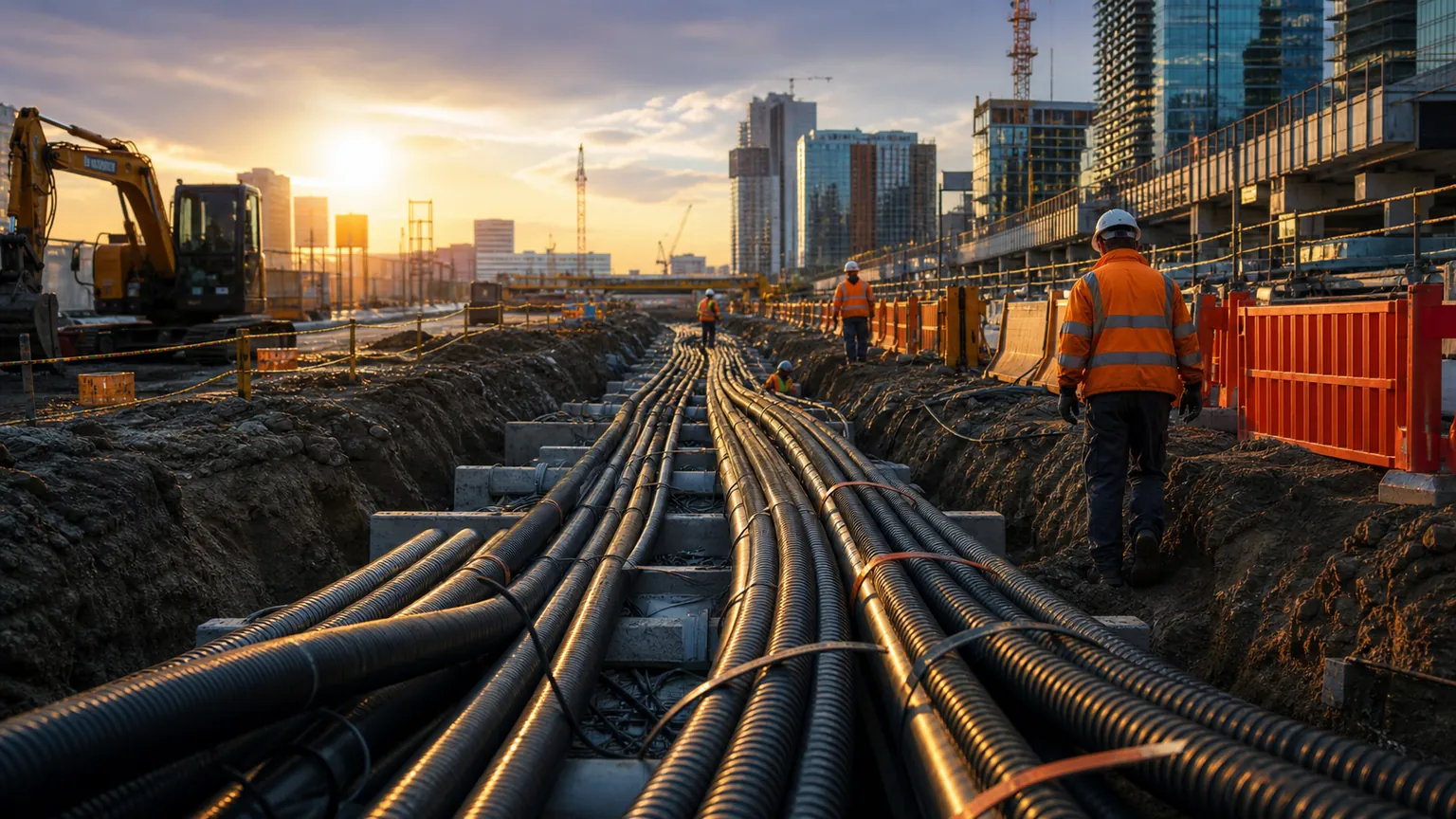
Underground cable cost is a civil works story before it is a cable story. Materials matter, yet trenching, ducting, backfill and road reinstatement dominate most project budgets. Two streets in the same city can return very different quotes for an identical circuit. Ground conditions, buried services and traffic management decide the gap.
| Cost Driver | Overhead Line | Underground Cable |
|---|---|---|
| Materials | Conduttori, poles and fittings priced lower | Cavo, joints and terminations priced higher |
| Civil works | Pole erection plus right-of-way clearing | Trenching, ducts, pits and reinstatement dominate |
| Budget behaviour | Predictable per kilometre | Ground conditions swing the total |
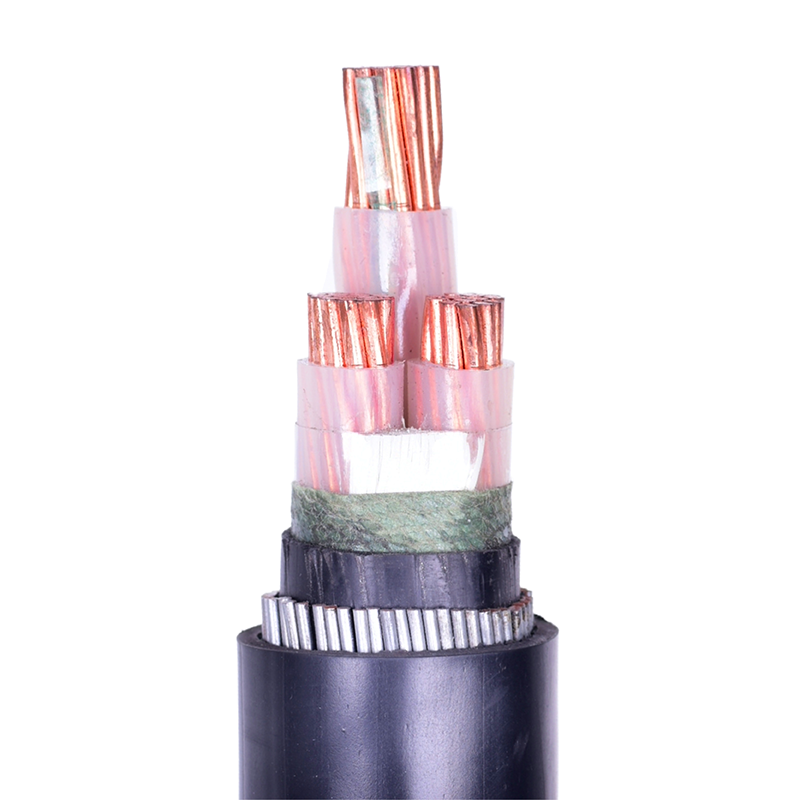
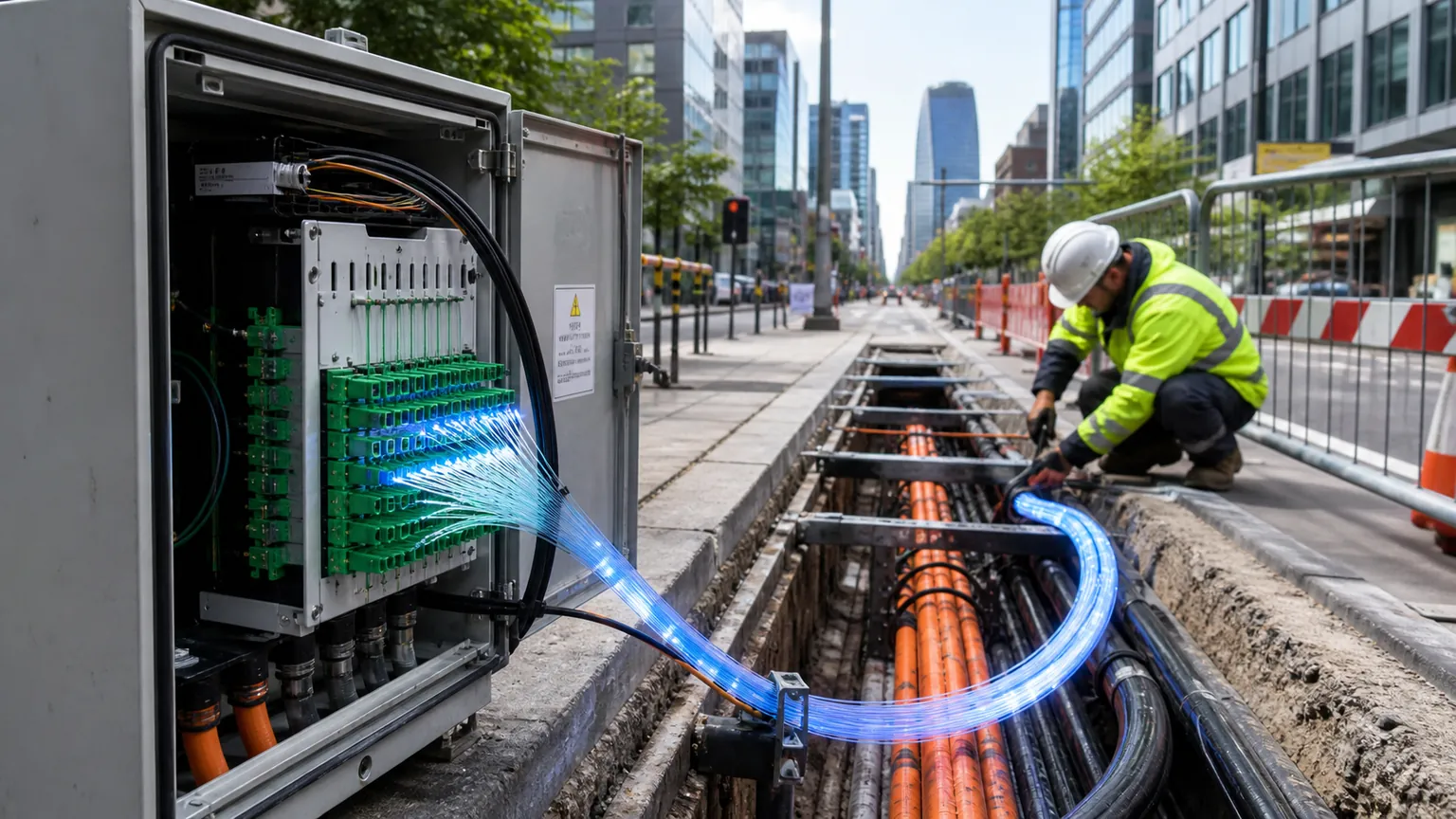
Overhead money behaves differently. Poli, fittings and conductor cost less to buy and faster to erect, and a right-of-way corridor needs clearing rather than excavation. Route design changes the buried bill too. Direct-buried designs need metallic armour, steel tape armour (STA) or steel wire armour (SWA), plus bedding layers. Duct routes can run unarmoured cable, but the savings move into conduits, pits and pulling gear.
Installation crews tell the same story from the field side. A duct route needs conduits laid, pits built and cable pulled, so the schedule stretches even when the cable itself is simple. Direct burial moves faster per metre, but every future fault costs an excavation. Choose the route style for the terrain and the maintenance philosophy, not for habit.
Capex is only half of the ledger. Overhead maintenance looks cheap on paper, until vegetation contracts and storm seasons are priced line by line. Buried circuits ask for almost nothing between failures, and then ask for a lot in one event. Treat the trench as the project and the cable as one component inside it.
How Overhead MV Lines Perform
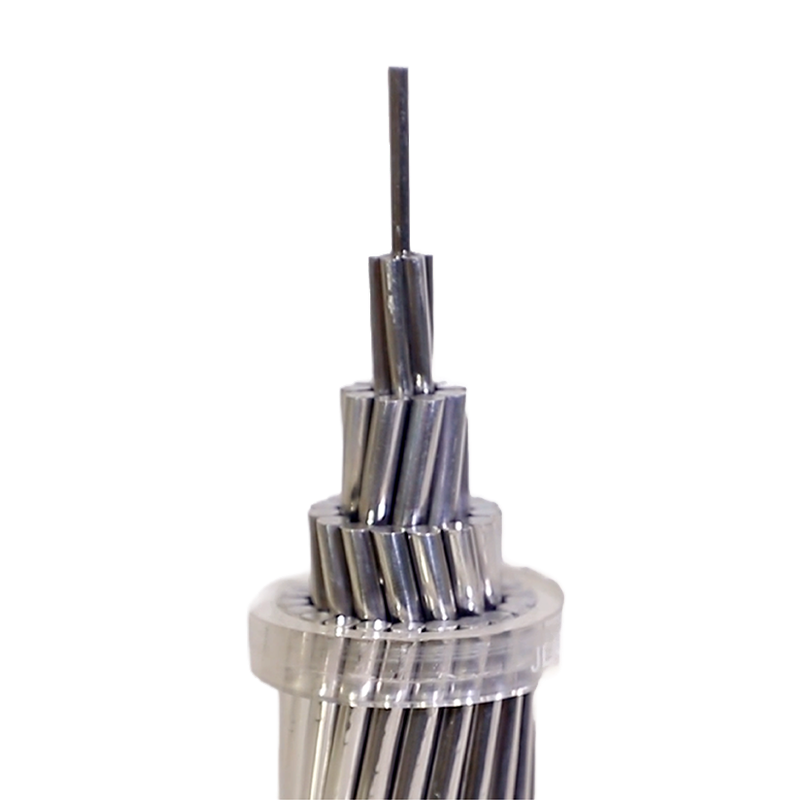
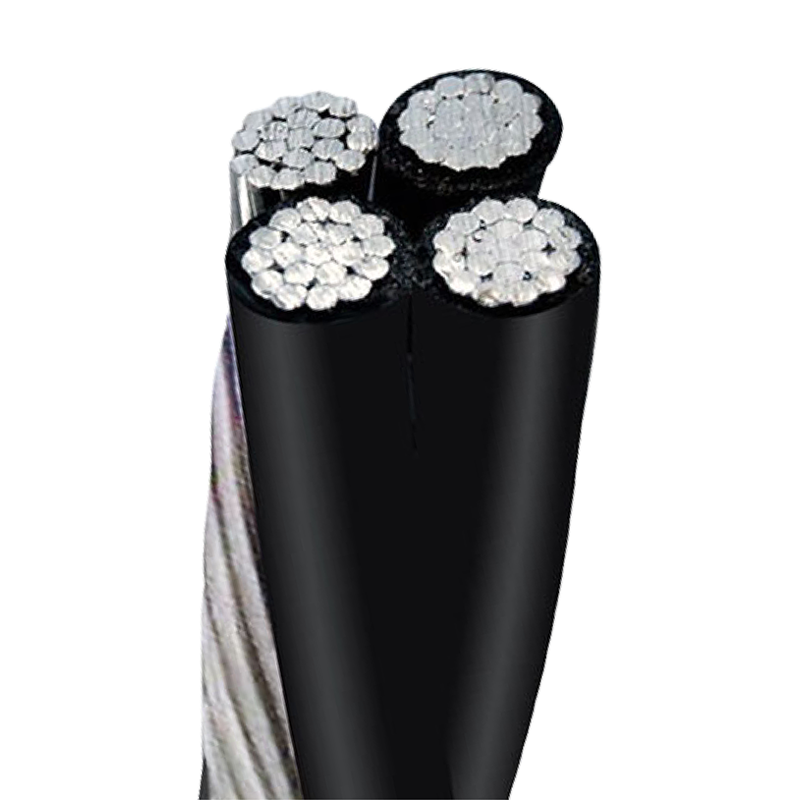
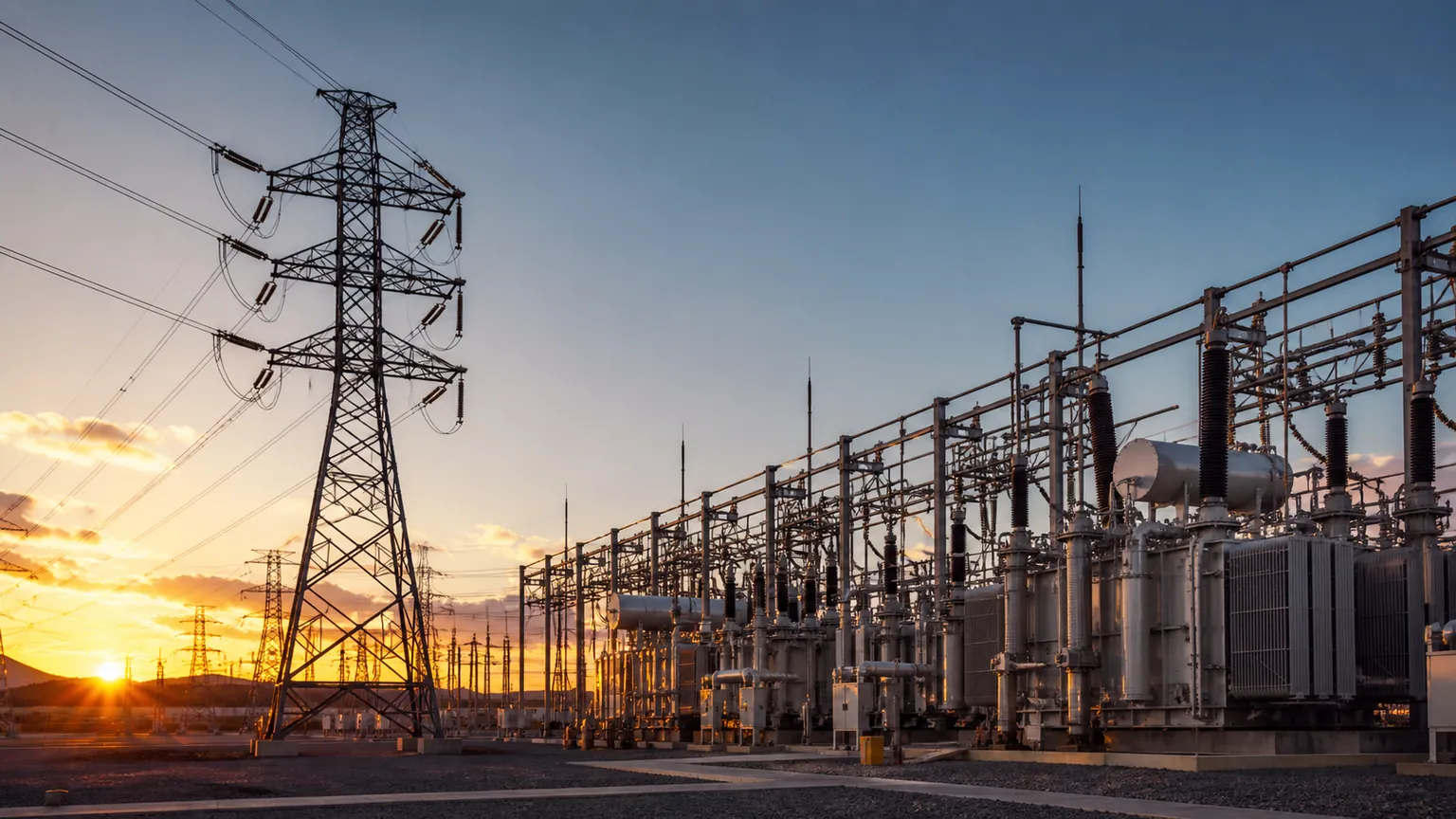
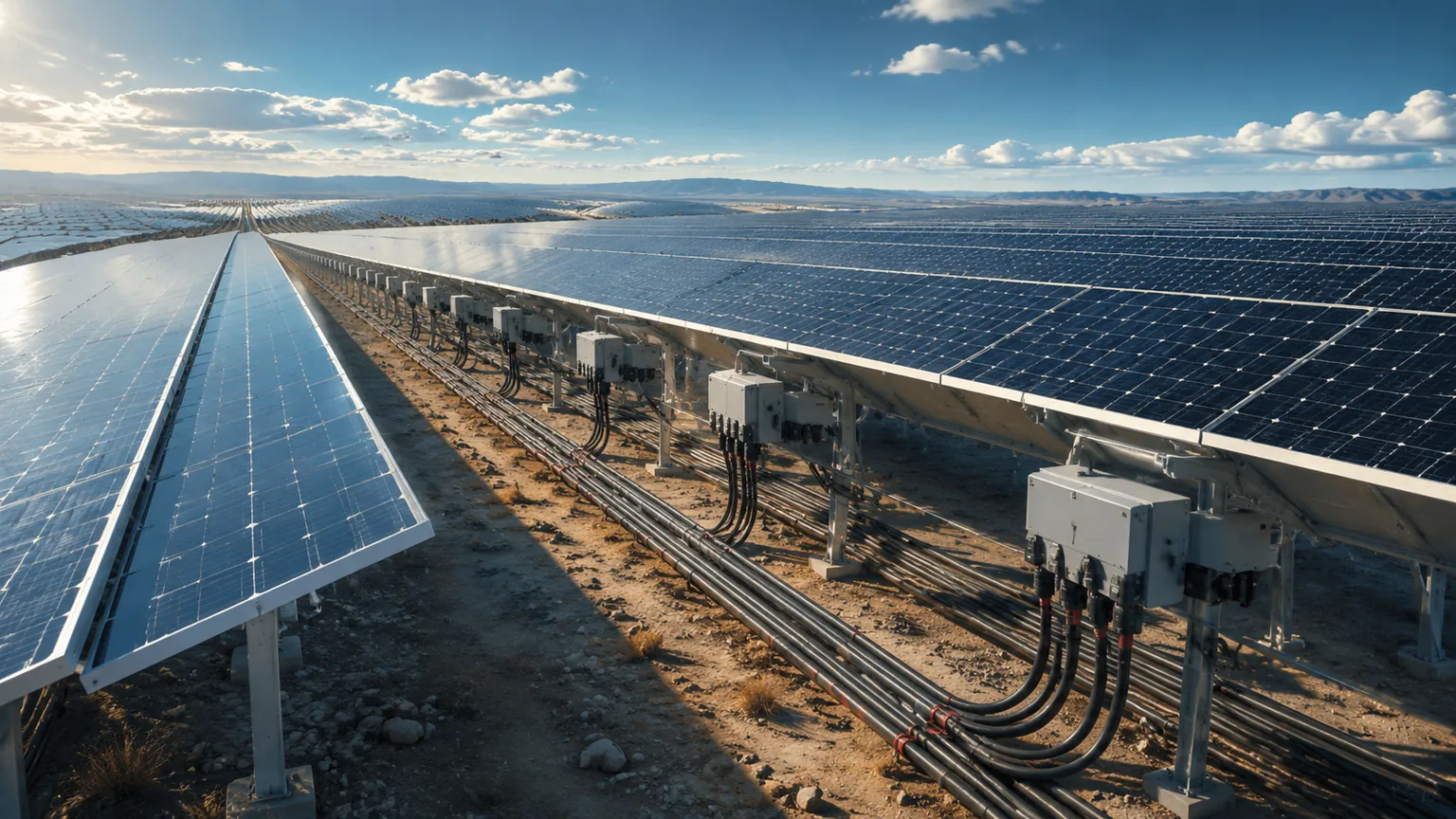
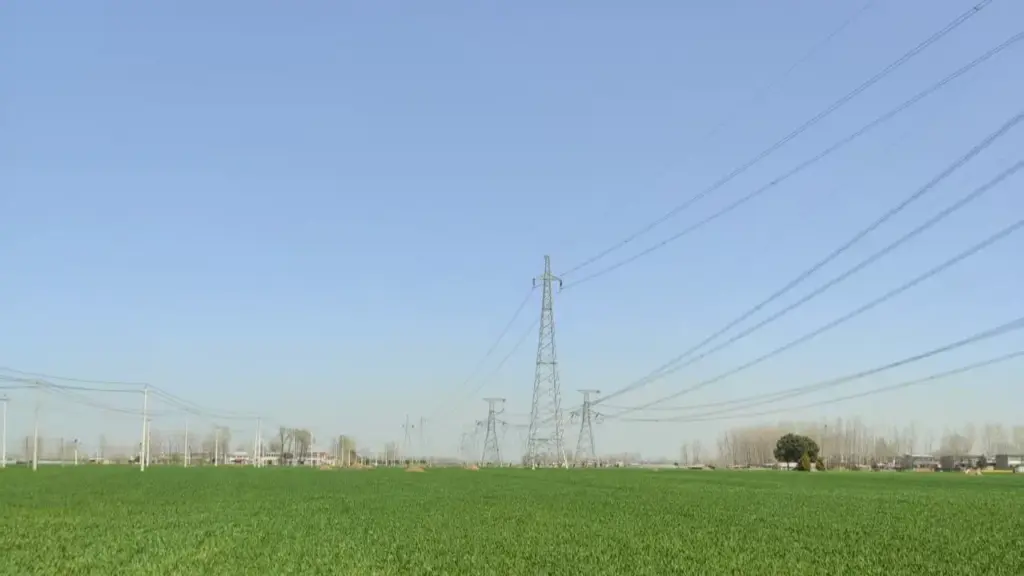
An overhead distribution line carries power on pole-supported bare or covered conductors. Common types are all-aluminium conductor (CAA), all-aluminium alloy conductor (AAAC), aluminium conductor steel-reinforced (ACSR) and aerial bundled conductor (ABC). Build cost stays low, and crews reach every span with simple access equipment. Faults are visible, so patrols usually locate them within hours.
Covered conductor and aerial bundled designs shrink the fault set further. Bundled cores keep wildlife off live parts, and covered phases tolerate closer trees than bare wire. Neither removes the clearance budget; both reduce how often vegetation and animals write your outage log. Match the conductor construction to the corridor, and the patrol bill follows.
Weather exposure is the structural weakness of any overhead build. Vegetation, vento, ghiaccio, lightning and wildlife cause most faults, and the right-of-way needs permanent clearance to keep failure rates down. For the conductor metals and constructions behind these lines, see what overhead power cables are made of.
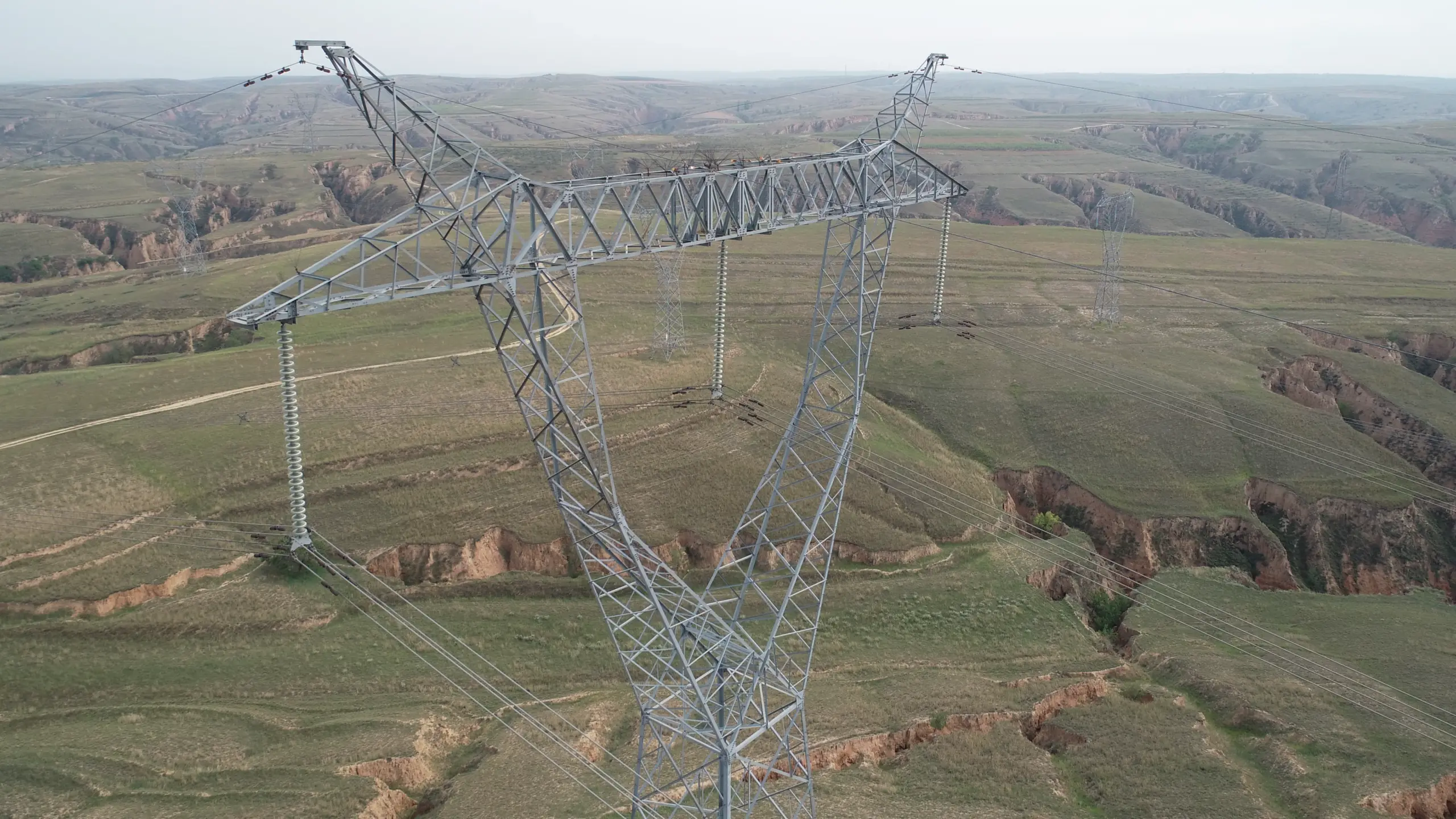
None of this makes overhead fragile; it makes overhead honest. Every weakness is visible, every repair is mechanical, and stored spares are cheap conductor and fittings rather than factory-built joints. For utilities running long rural networks, that simplicity is the product.
How Underground MV Cables Perform
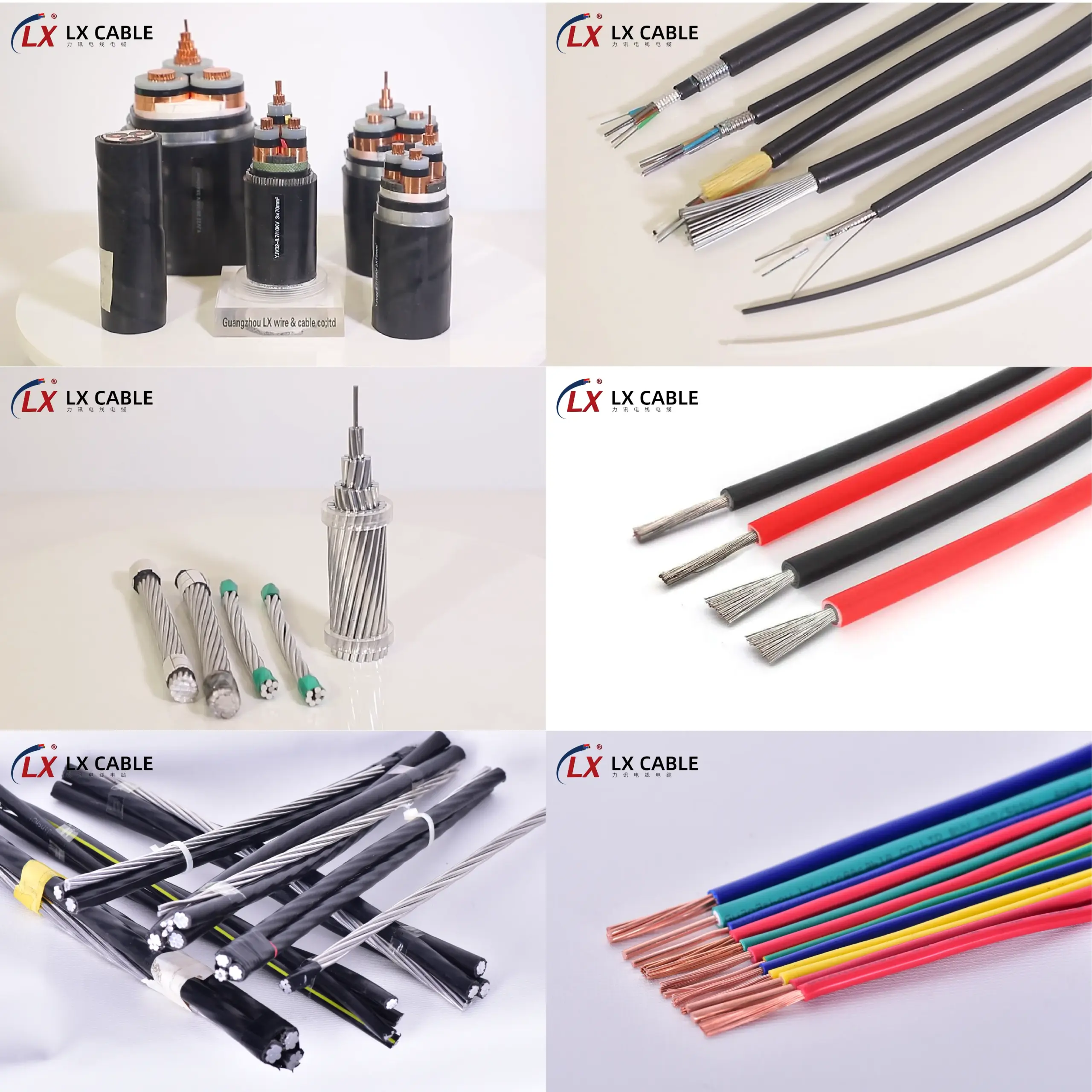
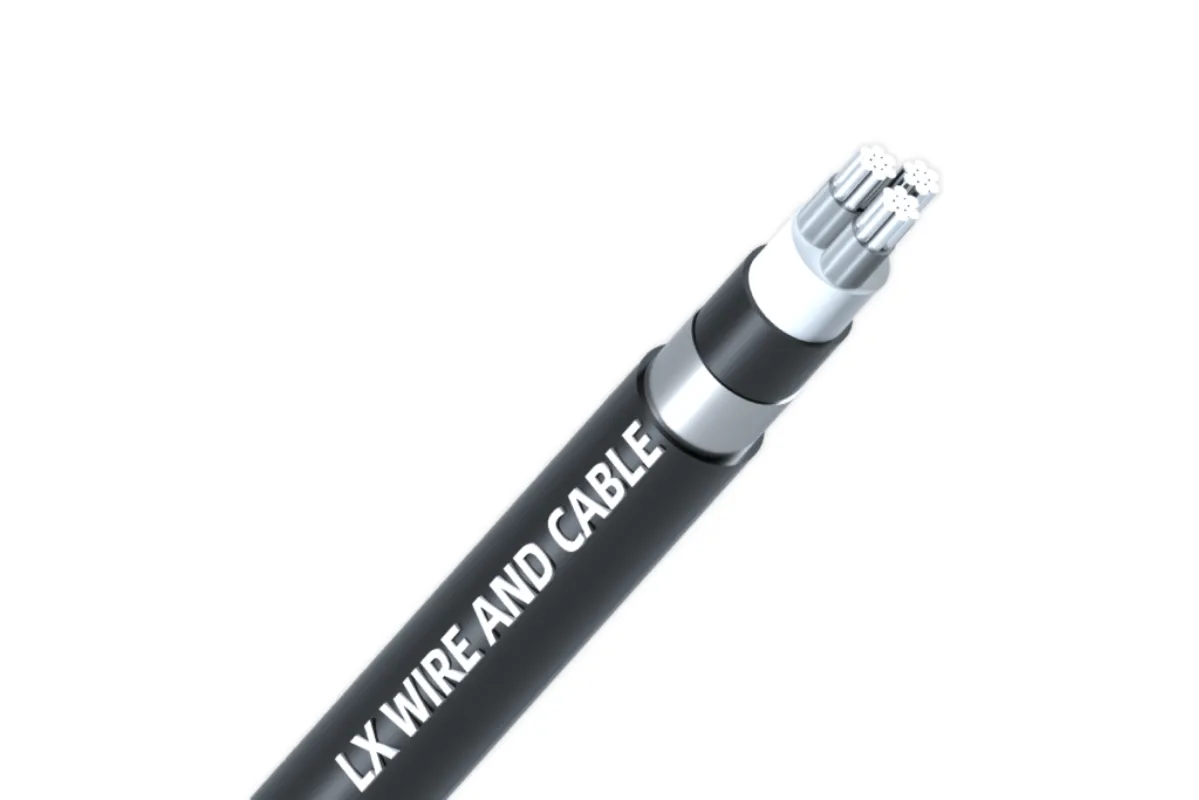
Buried circuits use cross-linked polyethylene (XLPE) insulation to CEI (International Electrotechnical Commission) 60502-2, which covers rated voltages from 3.6/6 kV up to 19/33 kV. Biancheria da letto, metallic armour and outer jackets complete the construction, and every direct-buried armoured cable relies on that steel layer against soil stress. Weather, traffic and vandalism never reach the conductor. That protection is what the premium buys.
Heat is the quiet constraint. Soil thermal resistivity controls how fast the cable sheds conductor heat, so poor soil strangles ampacity and stabilized backfill protects the rating you specified. Moisture is the second: aged XLPE fails through water treeing, which makes jacket quality and moisture barriers decisive for any buried design. Spec the jacket for the soil, not for the catalogue.
Jointing and termination quality decide more underground outages than the cable body does. Every weak point sits where a patrol cannot see it. Accessory quality and jointer training belong in the specification up front, not after the fault. Shortlist from a category of medium voltage power cables that separates armoured from duct-grade designs, and match the construction to your route survey. Conductor metal shifts both price and ampacity, and our comparison of copper vs aluminum medium voltage cables settles that argument.
Installation access is the hidden dividend. A buried circuit needs no outage windows for pole replacement, no vegetation crews and no storm patrols, so the operating rhythm stays flat. The cost arrives at the end of life, when replacement means re-opening the trench rather than a routine crew visit.
Get a Route-Matched Cable Specification
Share your route length, soil conditions and load profile. Our engineers will return a build-ready specification sized to IEC 60502-2, with armoured and duct-grade options priced for your corridor. You get a decision-ready bill of quantities, not a catalogue page.
Reliability and Outage Response Compared
Utilities frame the underground vs overhead medium voltage cable trade as two numbers: how often supplies fail, and how long each failure lasts. Underground grids record far fewer outages per year, because weather cannot reach the conductor. Overhead grids fail more often and recover faster, since a patrol usually finds the break within hours. Both numbers eventually land on your budget. Neither number moves much once the route is built, which is why the specification stage sets the outcome.
Restoration is where buried circuits pay their price. Crews need fault-location instruments to bracket the fault, then excavation before jointers start, so one event runs from hours to days. Utilities that keep accurate route maps and MV cable installation records bracket faults far faster. Overhead damage sits in plain sight, and replacement material travels light.
| Response Step | Overhead Line | Underground Cable |
|---|---|---|
| Fault visibility | Visible from the ground | Hidden until instruments and digging locate it |
| Location method | Patrol, often within hours | Fault-location instruments plus excavation |
| Repair per event | Direct mechanical repair | Hours to days, jointing on site |
| Outage frequency | Più alto, weather-driven | Far fewer per year |
The framing matters for planning, not marketing. A grid that fails rarely but restores slowly needs spare cable, trained jointers and route records on standby. A grid that fails often but restores quickly needs patrols, vegetation budgets and stores of fittings. Buy the support system that matches the failure mode.
Records decide restoration speed more than cable brand does. As-built route maps, joint position logs and installation test results cut the search area before instruments even power up. Utilities that treat documentation as part of the cable supply restore faster and spend less per event. File the as-builts with the same care as the spare drums.
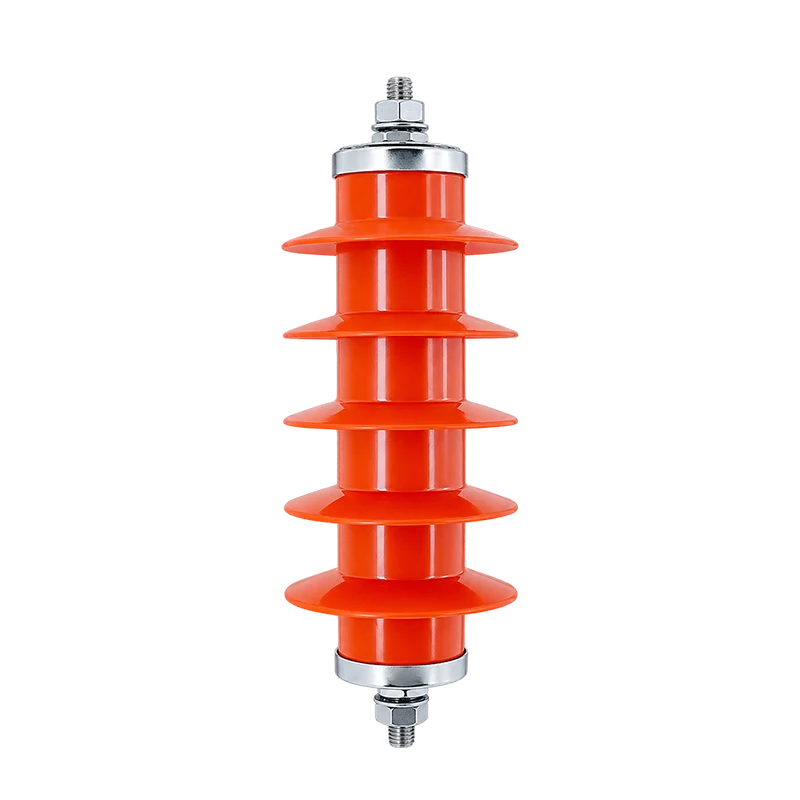
Lightning adds one twist to the ledger. Overhead lines take direct strikes as a fact of life, while buried circuits avoid them altogether. Surge arresters still matter underground at the transitions where overhead and buried sections meet.
Underground vs Overhead Medium Voltage Cable Compared
The decision compresses into five factors: build cost, fault finding, restoration speed, weather exposure and scenario fit. The table below is the honest version, including the rows a sales brochure would skip. Read it with your route in mind, not in the abstract. Every row traces back to one physical difference: one circuit lives in the air, the other in the ground.
| Fattore | Overhead MV Line | Underground MV Cable |
|---|---|---|
| Upfront cost per kilometre | Lower materials and build cost | Several times higher, civil works dominate |
| Fault finding | Visual patrol within hours | Instruments plus excavation first |
| Restoration speed | Faster per event | Hours to days per event |
| Weather exposure | Vegetation, vento, ghiaccio, lightning, wildlife | Protected from all of them |
| Best fit | Rural and long feeders | Dense urban, industriale, aeroporti |
What the table cannot show is time. In any underground vs overhead medium voltage cable decision, capex lands once, while storm outage costs return every season. Storm-exposed networks recover the buried premium through avoided outage costs. Calm-weather networks rarely see that payback, so the local weather record belongs next to the quote.
Which One Fits Your Project
Scenario settles this argument faster than any general rule. Match your project against the rows below, then pressure-test the winning option against your own outage penalties and land costs. The verdicts reflect where each technology genuinely earns its keep. Boards rarely regret the verdicts in this table; they regret skipping the route survey that feeds it.
| Scenario | Verdict | Why It Wins |
|---|---|---|
| Rural feeder over long distance | In alto | Lowest build cost across open country |
| Dense urban district | Metropolitana | Land value and public safety dominate |
| Industrial campus | Metropolitana | No clearance zones around production assets |
| Airport or city centre | Metropolitana | No poles, no strike exposure |
| Aesthetic or environmental zone | Metropolitana | Circuit disappears from view |
| Storm-exposed coastal network | Metropolitana | Avoided outage costs repay the premium |
Overhead wins the rural and long-feeder verdict, and it is not close: across open country, poles beat trenches on cost per kilometre. Choose an overhead build when land is cheap, loads are dispersed and patrol access stays easy. For the sizing and route questions that follow, our guide to choosing MV cable for industrial plants works through the details.
Underground wins everywhere land value, safety clearance or outage penalties dominate. Dense districts, industrial campuses, airports and scenic routes all push the same way: put the circuit below ground and stop paying for clearance disputes and repeat repairs. Where outage penalties are contractual, the buried option repays its premium fastest. Treat the two technologies as a route-by-route toolkit, and let the survey pick per kilometre.
Conclusione
Neither option wins every line of the table. Overhead buys the lowest build cost and the fastest fixes; underground buys outage immunity at a civil works premium. Your route, your weather and your outage penalties pick the winner in any underground vs overhead medium voltage cable decision, and the checklist below turns that into a procurement call.
- Pick overhead for long rural feeders where land is cheap, loads are dispersed and patrol crews have easy access.
- Pick underground for dense districts, industrial campuses, airports and protected zones, where clearance, safety or outage costs pile up.
- Budget civil works first, because trenching and reinstatement dominate buried project budgets far more than cable price does.
- Spec jacket and armour for the soil, because water treeing and high soil thermal resistivity end buried cable life early when ignored.
Cavo LX manufactures and supplies medium voltage power cables and overhead line materials for utilities and EPC (ingegneria, procurement and construction) contractors across Africa. Send us your route profile and load data, and our engineers will recommend the build that fits it.
Domande frequenti
Is underground MV cable worth the extra cost?
It is worth it when outages are expensive or land is contested: dense districts, aeroporti, industrial campuses and storm-exposed networks recover the premium through avoided outage costs. Rural feeders with cheap land and dispersed loads rarely recover it, so overhead remains the rational build there.
What does IEC 60502-2 cover for MV cables?
It covers cross-linked polyethylene (XLPE) insulated cables for rated voltages from 3.6/6 kV up to 19/33 kV, the standard range for distribution circuits. If a quoted medium voltage cable carries no IEC 60502-2 reference, ask which standard it is tested to before you sign.
Can MV cable be buried without armour?
Only in protected duct routes, where the conduit carries the mechanical load and unarmoured cable designs are acceptable. Direct-buried cable needs metallic armour, nastro d'acciaio (STA) or steel wire (SWA), plus bedding, because soil movement and excavation damage demand it.
Why do buried XLPE cables fail early?
Water treeing is the main aging mechanism, where moisture works into the insulation and grows tree-shaped micro-channels until it breaks down. Jacket quality and moisture barriers decide how fast that process runs, which is why cheap jackets cost more over the life of the circuit.
Which option is faster to restore after a storm?
In alto, in almost every case. Patrols locate visible damage within hours, and crews repair the span with mechanical methods and stored fittings. Underground faults need location instruments, excavation and jointing before power returns, so one event stretches across hours to days.